New articles every week — Expert-backed health & beauty tips
Have you ever spent a small fortune on a highly rated face cream, only to watch it pill under your makeup or leave your skin feeling tight and flaky by noon? It is a frustrating reality that many of us face when trying to navigate the overwhelming world of skincare. Finding the best moisturizers for every skin type is not about buying the most expensive jar on the shelf. It is about understanding what your unique skin barrier actually needs to thrive.
When we ignore our specific skin requirements, we often end up with clogged pores or severe dehydration. This leads many people to believe that moisturizers simply do not work for them. The truth is that your skin changes with the seasons, your age, and your environment. What worked in your twenties might leave you feeling greasy or parched in your thirties.
The solution lies in a targeted approach that respects your individual biology. We spent weeks testing dozens of formulas for texture, ingredients, hydration longevity, barrier impact, and overall value. After rigorous evaluation, thirteen exceptional brands made the cut for our definitive guide.
Understanding Your Unique Moisture Needs
Before diving into specific products, it is crucial to understand why hydration is non-negotiable for healthy skin. Your moisture barrier protects you from environmental aggressors and prevents water loss. When this barrier is compromised, you experience redness, irritation, and premature aging.
Choosing the best moisturizer for dry skin requires rich emollients that lock in water throughout the day. Conversely, the best moisturizer for oily skin needs to provide lightweight hydration without clogging your pores. If you are building a complete regimen, our skincare routine guide can help you sequence these products correctly.
We evaluated each formula based on how it felt upon application and how it performed after eight hours. We also looked for clean ingredient lists that avoid unnecessary irritants. This meticulous process ensured that only the most effective products earned a spot on our list.
The Science of Hydration: Humectants vs. Emollients
Understanding the difference between humectants and emollients is crucial for selecting the right product. Humectants like glycerin and hyaluronic acid act like sponges to draw water into your skin. Emollients like squalane and ceramides create a protective seal to prevent that water from evaporating.
The most effective formulas combine both categories to provide comprehensive hydration. If you only use humectants in a dry climate, they might actually pull water out of your skin. This is why sealing your routine with a good emollient is absolutely essential for long-term health.
We kept this scientific balance in mind while evaluating every single jar on our list. Products that relied too heavily on one category were penalized in our testing phase. The brands that made the cut all offer a sophisticated blend of water-binding and barrier-sealing ingredients.
Seasonal Adjustments for Your Moisturizer
Your skin is a living organ that reacts to the changing environment around you. A lightweight gel that feels perfect in July might leave you feeling tight and parched in January. Paying attention to these seasonal shifts is the secret to consistently healthy skin.
During the humid summer months, you should lean towards water-based formulations that absorb quickly. These prevent your pores from becoming clogged when you are sweating more than usual. In the winter, you need to switch to richer creams that contain more lipids to fight the dry indoor heating.
Some of the brands on our list offer multiple textures to accommodate these exact changes. Taking the time to swap your products twice a year will yield much better results. This simple adjustment prevents both summer breakouts and winter flakiness from ruining your complexion.
Best Moisturizers for Dry Skin
Dehydrated and dry skin requires ingredients that mimic your natural lipids to restore comfort. A great barrier repair moisturizer will instantly soothe tightness and prevent flaking.
Youth to the People Adaptogen Deep Moisture Cream
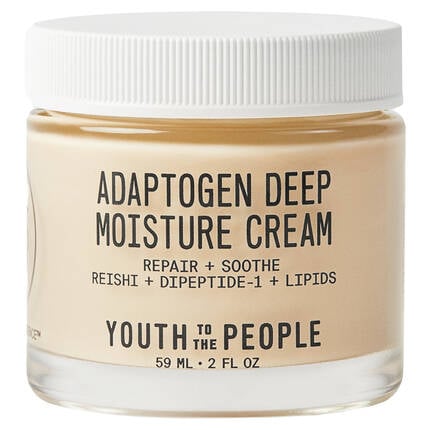
This rich cream combines powerful adaptogens like ashwagandha and reishi with hyaluronic acid. It delivers deep hydration without feeling heavy or suffocating on the face. It is an excellent choice for dehydrated and stressed skin that needs a nutritional boost.
The premium price point is definitely a drawback for budget-conscious shoppers. However, a very small amount goes a long way, making the jar last longer than you might expect.
Biossance Squalane + Omega Repair Cream
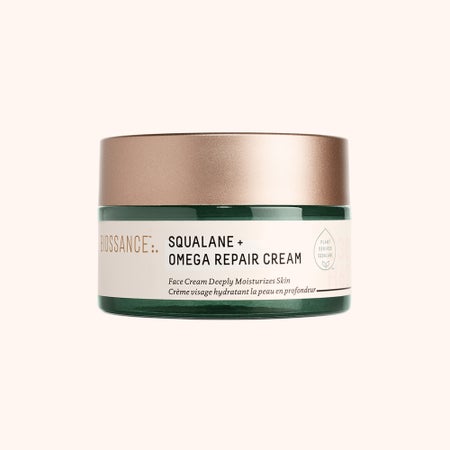
Formulated with sustainable biotech squalane, omega fatty acids, and ceramides, this cream is a powerhouse. It is light enough for daytime use but rich enough to repair your skin overnight. This makes it ideal for anyone dealing with a compromised moisture barrier.
It is completely fragrance-free and safe for sensitive dry skin types. The only minor issue is that it takes a few minutes to fully absorb into very oily complexions.
Farmacy Beauty Honey Halo Ultra-Hydrating Ceramide Moisturizer
This unique formula features honey, ceramides, and buckwheat honey extract for intense nourishment. The balm-to-cream texture melts beautifully into very dry and flaky skin. It provides the ultimate barrier repair for those who suffer from harsh weather conditions.
You should be aware that it has a very strong natural honey scent. If you are sensitive to natural aromas, this fragrance might be slightly overpowering initially.
Best Moisturizers for Oily & Combination Skin
Oily skin still needs hydration, but heavy creams will only lead to breakouts and excess shine. The right gel cream moisturizer will quench your skin while keeping your pores completely clear.
Versed Dew Point Moisturizing Gel-Cream

This lightweight gel-cream utilizes glycerin, green tea, and aloe to deliver instant hydration. It is entirely oil-free and non-comedogenic, making it perfect for acne-prone individuals. It provides the exact moisture balance that oily and combination skin types crave.
At around eighteen dollars, it is an incredibly affordable option for daily use. The only downside is that it might not be hydrating enough for those dealing with severe winter dryness.
Tula 24-7 Moisture Hydrating Day & Night Cream
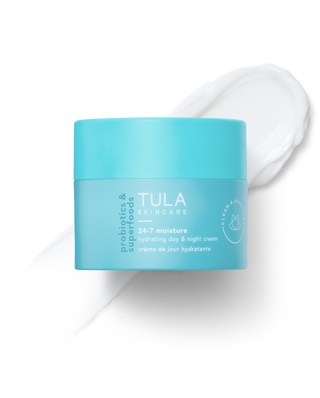
Featuring probiotic technology, peptides, and squalane, this cream balances hydration beautifully. It calms inflammation and prevents breakouts without leaving a greasy residue behind. This makes it the top choice for combination skin that is prone to occasional acne.
It is fragrance-free and dermatologist-tested for peace of mind. Some users might find the scent of the natural ingredients slightly unusual at first.
Peach & Lily Glass Skin Water Gel Moisturizer
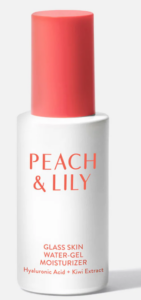
This water-gel combines peptides, niacinamide, and ceramides for a flawless finish. It is specifically designed to create a dewy glass skin look without adding any actual oil. It is perfect for combination skin that wants a luminous and healthy glow.
The lightweight formula is wonderful for summer months or humid climates. However, it simply does not provide enough moisture for very dry skin types during colder weather.
Innisfree Green Tea Seed Hyaluronic Cream
Infused with Jeju green tea, hyaluronic acid, and squalane, this cream offers versatile hydration. It comes in two different textures to provide seasonal flexibility for your routine. It is an outstanding choice for normal to combination skin that needs reliable daily moisture.
The price point is extremely reasonable for the quality you receive. The green tea scent is refreshing, though it does contain essential oils that might irritate highly reactive skin.
Best Moisturizers for Sensitive Skin & Barrier Repair
When your skin is reactive, red, or stinging, you need products that focus purely on healing. The best moisturizer for sensitive skin will avoid all common triggers and focus on soothing botanicals.
SkinFix Barrier+ Triple Lipid-Peptide Cream
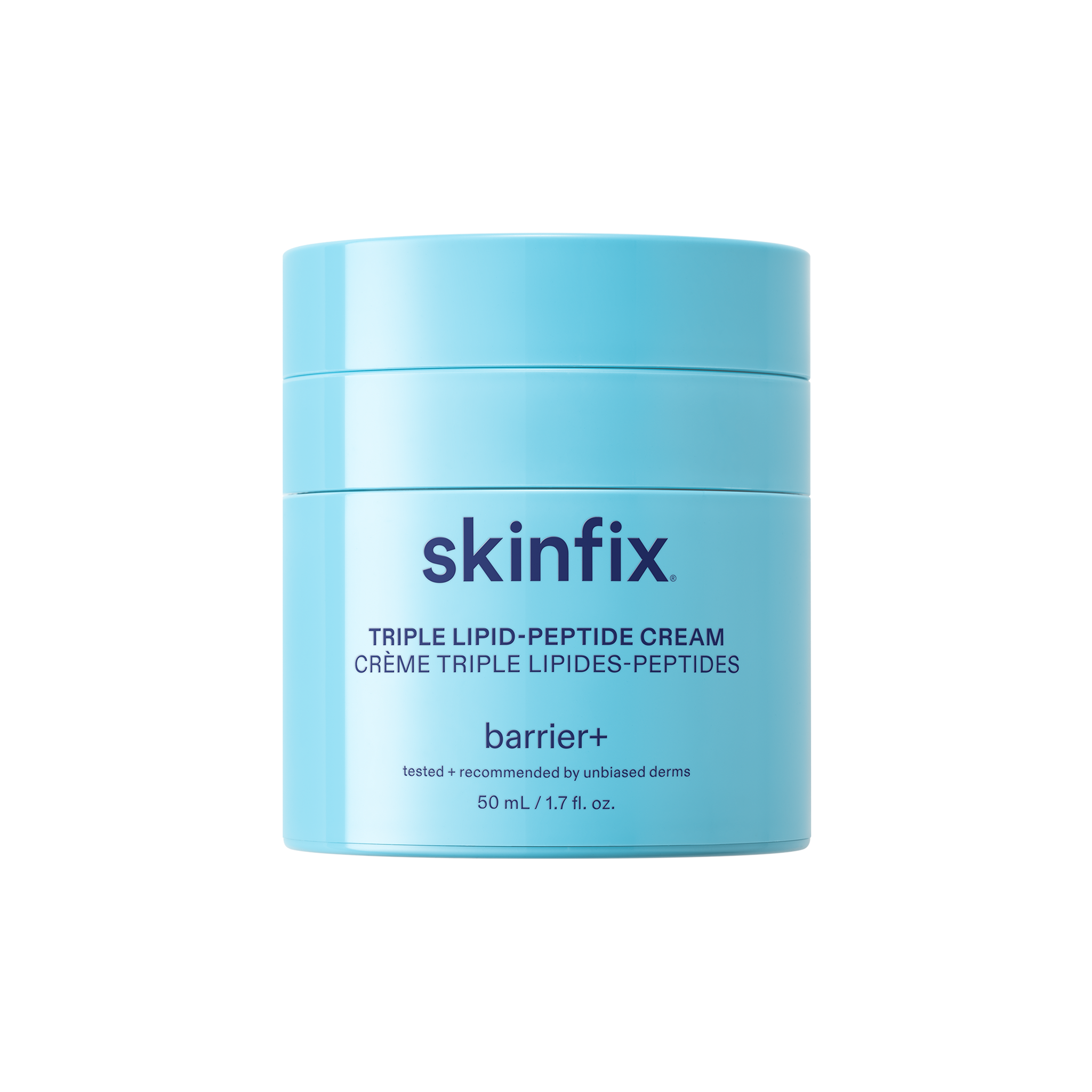
This formula boasts a triple lipid complex, peptides, and shea butter for maximum healing. It is clinically tested to repair damaged barriers and calm eczema-prone complexions. It is highly recommended for post-retinol irritation or severe environmental damage.
The texture is quite thick and heavy, which is perfect for overnight recovery. You probably will not want to wear this under makeup during the day due to its rich consistency.
True Botanicals Clearing Moisturizer
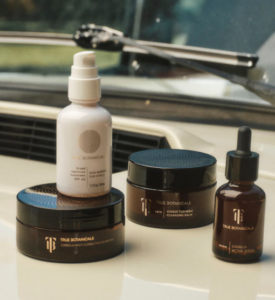
This clean and non-toxic formula uses aloe, green tea, and squalane for gentle hydration. It provides lightweight moisture specifically for sensitive skin that also experiences frequent breakouts. It is MADE SAFE certified and EWG verified for ultimate safety.
The high price tag reflects the premium quality of the organic ingredients. It also has a very subtle herbal scent that might not appeal to everyone.
Best Multi-Tasking Moisturizers
Sometimes you need a product that works harder to deliver multiple benefits at once. These oil free moisturizers and hydrating hybrids prove that simplicity can be incredibly effective.
Laneige Water Bank Blue Hyaluronic Cream
This cream features blue hyaluronic acid that penetrates deeper than traditional molecules. It also contains mineral-rich deep-sea water and squalane for long-lasting comfort. It is ideal for dehydrated skin that needs continuous moisture throughout the entire day.
It comes in both cream and gel-cream versions to suit different preferences. The fragrance is pleasant but noticeable, which could be an issue for extremely sensitive noses.
Summer Fridays Cloud Dew Oil-Free Gel Cream
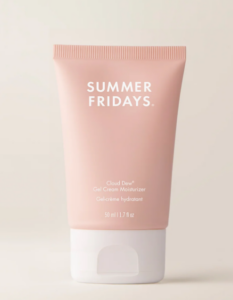
This oil-free formula relies on polyglutamic acid, glycerin, and niacinamide for plumpness. The cloud-like texture absorbs instantly and leaves absolutely zero residue on the face. It works beautifully under makeup and provides lightweight all-day hydration.
It is perfect for anyone who hates the feeling of heavy products on their face. The jar packaging might not be the most hygienic option for preserving active ingredients over time.
Best Clean Beauty Moisturizers
Clean beauty enthusiasts demand transparency and sustainable practices from their favorite brands. These natural moisturizers for skin deliver results without compromising your values.
Herbivore Pink Cloud Rosewater Moisture Cream
This lightweight cream blends rosewater, hibiscus, squalane, and tremella mushroom extract. It features biodegradable packaging and provides a refreshing burst of hydration. It is perfect for clean beauty lovers with normal to combination skin types.
The natural fragrance comes from real botanical extracts rather than synthetic perfumes. However, natural essential oils can still irritate extremely sensitive or compromised skin barriers.
Acure Radically Rejuvenating Whipped Night Cream
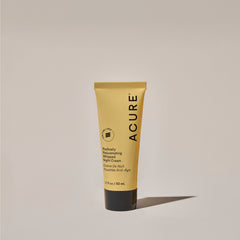
Packed with CoQ10, rosehip oil, sea buckthorn, and argan oil, this cream is a nighttime treat. It is an incredibly affordable clean beauty option that costs around sixteen dollars. It is ideal for dry or mature skin that needs deep nourishment on a budget.
The whipped texture is fun to apply and absorbs relatively quickly. Because it contains several rich plant oils, it might cause breakouts for those with very acne-prone skin.
Extending Your Glow: A Note on Body Hydration
While we focused heavily on facial hydration for this guide, the principles of finding the best body moisturizers are remarkably similar. Whether you are looking for natural body moisturizers or clinical formulas, the best moisturizers body routines rely on matching the texture to your specific needs.
Dry elbows and knees require thick butters, while oily backs need lightweight oil free facial moisturizers that can be used below the neck. Always remember that fragrance free moisturizers are the safest bet for large areas of sensitive body skin.
Product Comparison Table
| Brand | Best For | Key Ingredient | Texture | Price |
|---|---|---|---|---|
| Youth to the People | Dry, stressed | Adaptogens + HA | Rich cream | $$$ |
| Biossance | Dry, sensitive | Squalane + Omega | Medium cream | $$$ |
| Farmacy | Very dry, flaky | Honey + Ceramides | Balm-to-cream | $$$ |
| Versed | Oily, combo | Green tea + Aloe | Gel-cream | $ |
| Tula | Acne-prone, combo | Probiotics + Peptides | Light cream | $$ |
| Peach & Lily | Combo, luminous | Niacinamide + Peptides | Water gel | $$ |
| Innisfree | Normal to combo | Green tea + HA | Cream/Gel | $ |
| SkinFix | Sensitive, damaged | Lipids + Peptides | Rich cream | $$$ |
| True Botanicals | Sensitive + acne | Aloe + Squalane | Light cream | $$$ |
| Laneige | Dehydrated | Blue HA | Cream/Gel | $$ |
| Summer Fridays | All skin types | Polyglutamic acid | Gel-cream | $$ |
| Herbivore | Clean beauty | Rosewater | Light cream | $$$ |
| Acure | Dry, budget | CoQ10 + Rosehip | Night cream | $ |
How to Layer Your Products for Maximum Efficacy
Applying your hydration correctly is just as important as choosing the right formula. Always apply your products from thinnest to thickest consistency to ensure proper absorption. If you are using active treatments, check out our guide to the best serums for glowing skin to learn the correct order.
- Step 1: Cleanse and tone your face to remove impurities.
- Step 2: Apply water-based serums and wait for them to absorb.
- Step 3: Lock everything in with your chosen moisturizer.
- Step 4: Finish with broad-spectrum SPF during the day.
Wait at least sixty seconds between layers to let each product settle into your epidermis. This prevents pilling and ensures that every active ingredient can do its job effectively. You should always finish your morning routine with a broad-spectrum sunscreen to protect your newly hydrated skin.
Common Moisturizing Mistakes to Avoid
One of the biggest errors people make is applying moisturizer to completely dry skin. You should always apply your cream to slightly damp skin to trap that extra water against your face. This simple trick can dramatically improve your hydration levels without needing extra products.
Another frequent mistake is skipping moisturizer entirely because your skin feels oily. Dehydrated skin often overproduces oil to compensate for the lack of water. Using a lightweight hydrator will actually signal your skin to produce less sebum over time.
Frequently Asked Questions
What moisturizer is best for my skin type?
The best choice depends entirely on your specific concerns and how your skin feels by midday. Dry skin needs rich ceramides and oils, while oily skin thrives on water-based gels. If you have combination skin, look for lightweight lotions that balance both zones.
Can I use the same moisturizer day and night?
You absolutely can, but your skin has different needs depending on the time of day. Daytime formulas should be lighter and pair well with sunscreen. Nighttime is the perfect opportunity to use heavier creams that focus on deep repair and recovery.
How do I layer moisturizer with serums and SPF?
Always apply your water-based serums first so they can penetrate cleanly into the skin. Follow up with your moisturizer to seal in those active ingredients and provide a base. Your sunscreen must always be the very last step in your morning skincare routine.
What ingredients should I look for in a moisturizer?
Hyaluronic acid and glycerin are excellent humectants that draw water into the skin. Ceramides and squalane act as emollients to smooth the surface and repair your barrier. Niacinamide is a great bonus ingredient that helps calm redness and regulate oil production.
How do I know if my moisturizer is working?
You should notice that your skin feels softer and more plump immediately after application. Over a few weeks, you will see a reduction in flaky patches and fine dehydration lines. Your makeup will also apply much more smoothly without catching on dry spots.
Brand Outreach and Testing Transparency
We tested each of these moisturizers over a period of six weeks to evaluate their long-term performance. We reached out to each brand for ingredient verification and all products were independently selected by our editorial team. If you are a brand representative and would like to discuss an updated review or ingredient sourcing, please contact us.
Sources
The American Academy of Dermatology Association provides extensive guidelines on proper skin hydration. You can find their official resources at https://www.aad.org for further reading.
The National Center for Biotechnology Information publishes peer-reviewed studies on barrier repair. Their scientific databases are available at https://www.ncbi.nlm.nih.gov for deeper research.
The Environmental Working Group maintains a comprehensive database of clean beauty ingredients. You can verify the safety of your products at https://www.ewg.org.