New articles every week — Expert-backed health & beauty tips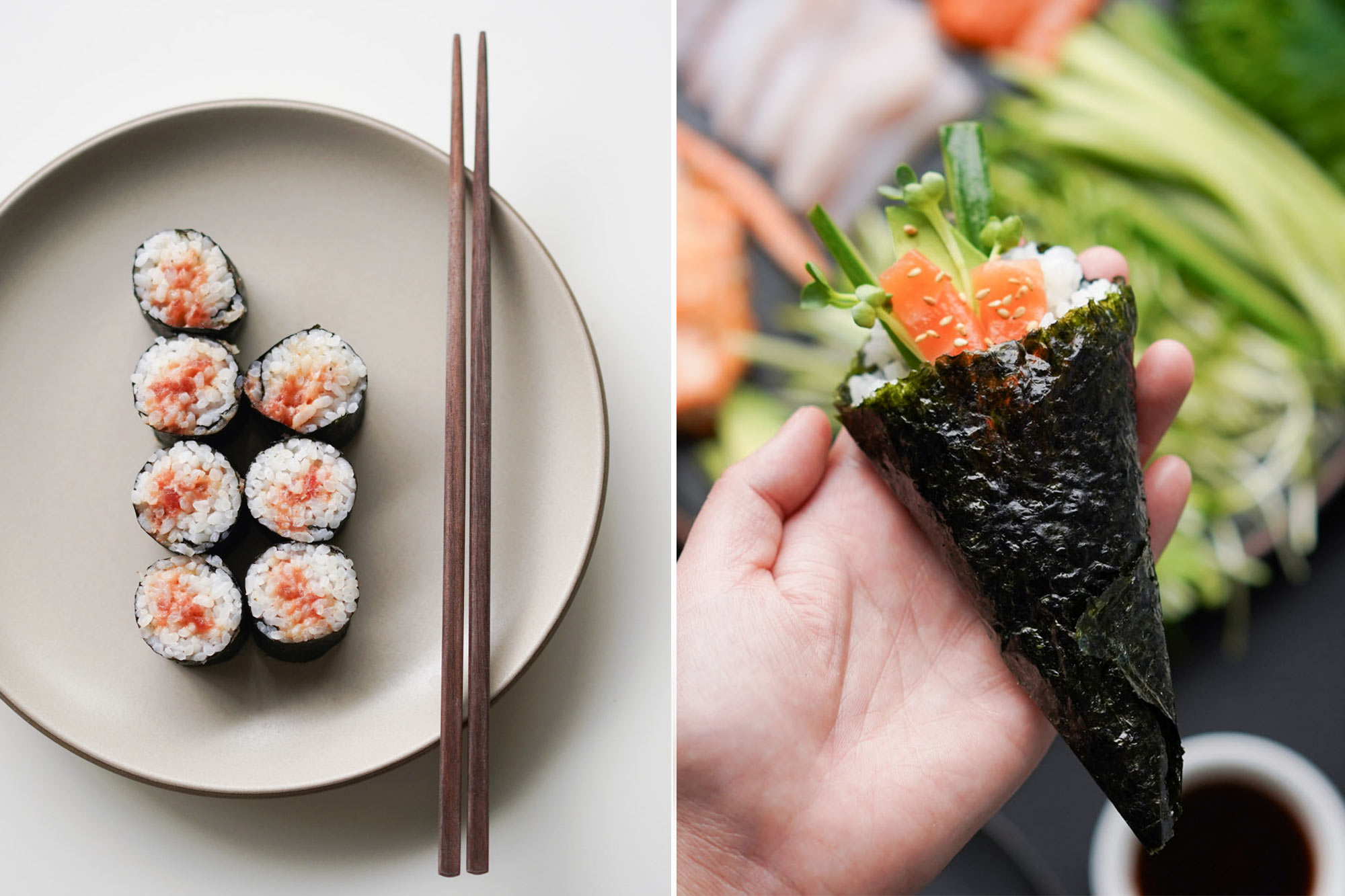
Ever stared at a sushi menu, torn between a neat sushi roll and a rustic hand roll, unsure which will deliver the experience you’re craving?
You’re not alone. Both feature seasoned rice, fresh fish, and crisp nori but their shapes, textures, and eating rituals couldn’t be more different.
Whether you’re dining out, hosting a party, or trying sushi for the first time, knowing the real distinctions helps you choose with confidence. Let’s unwrap the details so your next bite is exactly what you want.
What Is a Sushi Roll (Maki)?
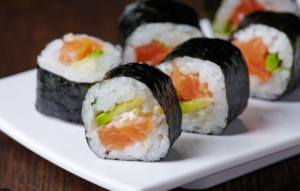
A sushi roll, or maki, is a cylindrical roll of seasoned rice and fillings wrapped in nori seaweed, then sliced into 6–8 bite-sized pieces .
Made using a bamboo mat (makisu), it’s designed for sharing and easy eating with chopsticks. Popular varieties include the California roll (inside-out with crab and avocado), spicy tuna roll, and cucumber maki.
The uniform slices make it ideal for parties, bento boxes, or trying multiple flavors in one meal.
What Is a Hand Roll (Temaki)?
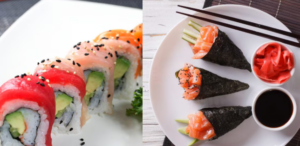
A hand roll, or temaki, is a cone-shaped sushi wrapped by hand in nori, filled with rice, fish, and veggies Unlike pre-cut rolls, temaki is assembled to order and meant to be eaten immediately while the nori is still crisp.
It’s larger than a single sushi piece, held in your hand like an ice cream cone, and enjoyed without chopsticks. Hand rolls shine in omakase experiences or casual gatherings where freshness and interaction matter.
Sushi Roll vs Hand Roll: Key Differences
While both celebrate the harmony of rice, nori, and fresh ingredients, three core areas set them apart.
Shape, Size, and Presentation
- Sushi roll: Cylindrical, sliced into uniform pieces; elegant presentation on a plate
- Hand roll: Cone-shaped, single serving; rustic, interactive, served immediately
Sushi rolls are designed for visual appeal and sharing. Hand rolls prioritize freshness and the joy of eating with your hands.
How They’re Made: Tools and Technique
Sushi rolls require a bamboo mat (makisu) to achieve tight, even pressure while rolling. The nori faces outward (or inward for uramaki), and the roll is sliced with a sharp, wet knife.
Hand rolls need no tools—just a sheet of nori, a scoop of rice, fillings, and a quick fold into a cone. Speed matters: temaki should be assembled and eaten within minutes to keep the nori crisp.
Eating Experience: Chopsticks vs Hands
Sushi rolls are eaten with chopsticks, one piece at a time. Dip lightly in soy sauce, enjoy the balanced bite. Hand rolls are held in your hand and eaten like a wrap.
Take a bite from the wide end, savoring the contrast of crisp nori, cool rice, and fresh fillings. No utensils needed—just napkins!
Flavor and Filling Guide
Both styles welcome creativity, but certain fillings shine in each format.
Best Fillings for Sushi Rolls
- Soft ingredients that hold shape when sliced: avocado, cucumber, cooked crab
- Flavor combos that benefit from uniform distribution: spicy mayo + tuna, eel + cucumber
- Inside-out rolls (rice outside) for picky eaters or texture variety
Best Fillings for Hand Rolls
- Fresh, high-quality fish meant to be tasted immediately: salmon, tuna, yellowtail
- Crisp textures that contrast with nori: tempura flakes, scallions, pickled radish
- Bold, simple combos that don’t need slicing: salmon + avocado, tuna + spicy mayo
Which Should You Order?
Match the roll to your moment.
- Choose a sushi roll if: You’re sharing, trying multiple flavors, packing lunch, or prefer neat, utensil-friendly eating
- Choose a hand roll if: You want peak freshness, enjoy interactive dining, eating solo, or serving kids (fun to hold!)
For parties: offer both! Sushi rolls for easy passing, hand rolls as a live assembly station. For beginners: start with a California roll (familiar flavors) or a simple salmon temaki (pure, fresh taste).
Making Them at Home: Tips and Shortcuts
No bamboo mat? No problem. For sushi rolls, use a clean kitchen towel or parchment paper to roll tightly. Keep rice slightly warm and hands damp to prevent sticking.
For hand rolls, toast nori lightly for extra crispness, prep fillings in advance, and assemble just before eating. Store leftover rice covered at room temperature for up to 4 hours; avoid refrigerating assembled rolls (nori gets soggy).
Sushi Roll vs Hand Roll: Your Questions Answered
Discover the delicious differences between two beloved Japanese preparations—from technique to tradition.
🍣
Sushi Roll vs Hand Roll: Quick Comparison
| Feature | Sushi Roll (Maki) | Hand Roll (Temaki) |
|---|---|---|
| Shape | Cylindrical, sliced into 6–8 pieces | Cone-shaped, single serving |
| Eating Method | Chopsticks | Hands (designed for handheld eating) |
| Freshness | Can sit briefly after slicing | Assembled to order, eaten immediately |
| Tools Needed | Bamboo mat (makisu) recommended | No tools—just hands! |
| Best For | Sharing, presentation, meal prep | Immediate eating, interactive dining |
💡
Pro Tip for Enjoying Temaki
Eat hand rolls immediately! The crisp nori begins to soften within minutes of assembly. For the best texture and flavor, order temaki last at the sushi bar or assemble them yourself right before eating.
Sources:
● Just One Cookbook — https://www.justonecookbook.com
● MasterClass — https://www.masterclass.com
● The Spruce Eats — https://www.thespruceeats.com