New articles every week — Expert-backed health & beauty tips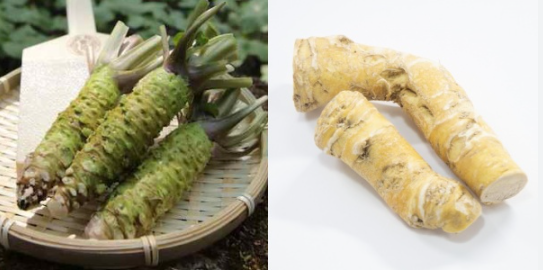
Ever squeezed a tube of green paste onto your sushi and wondered: is this wasabi vs horseradish and does it actually matter?
You’re not alone. Both deliver that eye-watering, sinus clearing punch, but they’re far from identical.
Whether you’re ordering sashimi, making a cocktail sauce, or exploring global flavors, knowing the real differences helps you choose with confidence. Let’s break down what makes each special—so your next bite hits exactly right.
What Is Wasabi?
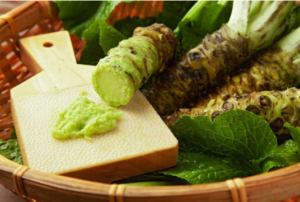
Wasabi comes from the Wasabia japonica plant, a rare rhizome native to Japan’s cool mountain streams. Authentic wasabi is grated fresh just before serving, releasing a complex flavor: initially sweet and herbal, followed by a sharp, fleeting heat that rises through your nose and vanishes quickly.
Its vibrant green color is natural, and its aroma is delicate yet distinctive. Because it’s notoriously difficult to grow—requiring shade, pure water, and precise temperatures—real wasabi is a luxury ingredient reserved for high-end sushi bars.
What Is Horseradish?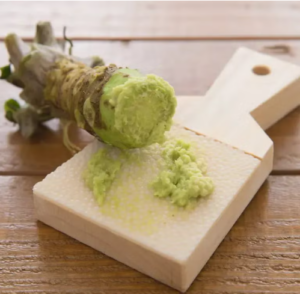
Horseradish is a hardy root vegetable from the Armoracia rusticana plant, grown widely across Europe and North America.
When grated, it releases a potent, sharp heat that builds slowly and lingers longer than wasabi . Its flavor is straightforward: pungent, peppery, and slightly bitter, with no natural green color.
Horseradish is affordable, easy to find, and versatile—used in cocktail sauces, roast beef condiments, Bloody Marys, and more. Most “wasabi” sold in tubes or powder is actually horseradish dyed green.
Wasabi vs Horseradish: Key Differences
While both belong to the Brassicaceae family and share a similar heat compound, three core areas set them apart.
Plant Family and Growing Conditions
- Wasabi: Grows only in cool, shaded, flowing water; takes 12–24 months to mature; highly sensitive to temperature changes
- Horseradish: Thrives in ordinary garden soil; hardy perennial; ready to harvest in one season
This difference explains why real wasabi is rare and expensive, while horseradish is abundant and affordable.
Heat Sensation: Quick Flash vs Lingering Burn
Wasabi delivers an immediate, sharp heat that peaks within seconds and fades just as fast leaving a clean, refreshing finish.
Horseradish builds more slowly, intensifies, and lingers longer, often with a slightly bitter aftertaste. If you love a quick, aromatic punch, wasabi wins. If you prefer a bold, lasting kick, horseradish delivers.
Flavor Complexity: Herbal Sweetness vs Sharp Punch
Fresh wasabi offers layered flavor: subtle sweetness, vegetal notes, and a delicate floral aroma before the heat hits.
Horseradish is more one-dimensional: aggressively pungent with earthy, peppery tones. This complexity makes wasabi ideal for delicate dishes like sashimi, where it enhances rather than overwhelms.
The Truth About “Wasabi” in Stores and Restaurants
Here’s the reality: over 95% of products labeled “wasabi” in North America contain no real wasabi at all. Instead, they’re a blend of horseradish, mustard powder, green food coloring, and starch.
Why? Because authentic wasabi is expensive, perishable, and loses potency within 15–30 minutes of grating. To spot real wasabi: check the ingredient list for Wasabia japonica, expect to pay a premium, and look for fresh rhizomes or refrigerated paste at specialty markets.
Best Culinary Uses for Each
Match the condiment to your dish for best results.
When to Reach for Wasabi
- Sushi and sashimi (traditional pairing that enhances delicate fish)
- Soba or udon noodles with light broth
- Finishing touch on grilled fish or seafood
- When you want aromatic heat that won’t linger or overwhelm
When to Use Horseradish
- Roast beef, prime rib, or brisket condiments
- Cocktail sauce for shrimp or oysters
- Bloody Mary garnish or spicy mayo blends
- When you want bold, lasting heat that stands up to rich flavors
Substitution Guide with Flavor Adjustments
| If the recipe calls for… | You can substitute with… | Pro Tip |
|---|---|---|
| Wasabi | Horseradish | Add a pinch of matcha or spinach powder for color; use slightly less to avoid overpowering |
| Horseradish | Wasabi | Use fresh wasabi sparingly; its heat is intense but short-lived, so adjust to taste |
Nutrition and Health Benefits
Both condiments are low-calorie and packed with beneficial compounds. A teaspoon of wasabi or horseradish contains fewer than 10 calories, plus vitamin C, potassium, and antioxidants.
Both contain allyl isothiocyanate, a compound studied for antimicrobial and anti-inflammatory properties. Wasabi may offer additional benefits from unique phytochemicals found only in Wasabia japonica.
Watch sodium in prepared versions: some horseradish sauces contain added salt or sugar. For clean eating, grate fresh root or choose minimally processed pastes.
Buying, Storing, and Preparing Tips
For wasabi: Buy fresh rhizomes from specialty suppliers; store wrapped in damp paper towel in the fridge for up to 2 weeks. Grate just before serving using a fine sharkskin or ceramic grater for best texture.
For horseradish: Choose firm, unblemished roots; store whole in the fridge for up to 3 months. Peel and grate as needed—add a splash of vinegar to stabilize flavor and reduce bitterness. Never cook either condiment: heat destroys their signature pungency.
Wasabi vs Horseradish: Your Questions Answered
Discover the pungent differences between two powerful condiments—from flavor to authenticity.
🌿
Wasabi vs Horseradish: Quick Comparison
| Feature | Wasabi | Horseradish |
|---|---|---|
| Plant Source | Wasabia japonica (true wasabi) | Armoracia rusticana |
| Heat Profile | Quick, intense, fades fast | Strong, lingering burn |
| Flavor Notes | Herbal, slightly sweet, complex | Sharp, pungent, straightforward |
| Common Form | Fresh rhizome (rare), paste (often imitation) | Prepared sauce, grated root |
| Price Range | $100+/lb fresh (authentic) | $5–15/jar prepared |
💡
Pro Tip for Authentic Flavor
Grate fresh wasabi on a sharkskin grater (or fine microplane) just before serving! The volatile compounds that create wasabi’s signature heat begin to dissipate within minutes of grating. For horseradish, grate fresh and mix with vinegar immediately to preserve pungency.
Sources:
● Serious Eats — https://www.seriouseats.com
● The Kitchn — https://www.thekitchn.com
● Bon Appétit — https://www.bonappetit.com