New articles every week — Expert-backed health & beauty tips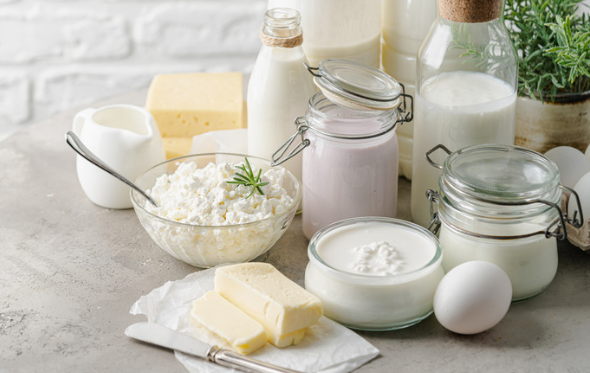
Ever stood in the dairy aisle, staring at two white, curd-filled containers labeled farmers cheese and cottage cheese, wondering which one belongs in your recipe or your snack bowl?
You’re not alone. Both are fresh, mild, and high in protein, but they’re far from interchangeable. Whether you’re meal-prepping, baking cheesecake, or looking for a healthy snack, knowing the real differences helps you choose with confidence.
Let’s break it down so your next bite is exactly what you intended.
What Is Farmers Cheese?

Farmers cheese is a simple, fresh cheese made by warming milk and adding an acid like vinegar or lemon juice to form curds—a process called acid-set coagulation.
The curds are drained, lightly pressed, and sold as a firm, crumbly block or in small balls. It has a mild, slightly tangy flavor with a dry, dense texture that holds its shape when sliced or crumbled.
Traditionally made on farms with leftover milk, it’s naturally lower in moisture and lactose than many fresh cheeses. You’ll find it plain or with herbs, perfect for slicing, crumbling, or blending into fillings.
What Is Cottage Cheese?

Cottage cheese starts with cultured milk: lactic acid bacteria ferment lactose to create soft, delicate curds. After draining, a creamy dressing usually milk, cream, or a blend—is stirred in, giving cottage cheese its signature moist, spoonable texture.
The result is small, tender curds suspended in a rich, slightly tangy liquid. Flavor is mild and milky with a hint of fermentation.
Cottage cheese comes in various fat levels (nonfat, low-fat, full-fat) and curd sizes (small or large). It’s a versatile staple for breakfast bowls, salads, dips, and baking.
Farmers Cheese vs Cottage Cheese: Key Differences
While both are fresh, high-protein cheeses, three core areas set them apart.
Production: Acid-Set vs Cultured with Cream
- Farmers cheese: Made by adding acid to warm milk; curds are drained and pressed to remove whey
- Cottage cheese: Made with bacterial cultures; curds are washed and mixed with cream dressing for moisture
This fundamental difference shapes texture, flavor, and how each cheese behaves in recipes.
Texture: Firm and Crumbly vs Creamy and Loose
Farmers cheese is dense, sliceable, and crumbles cleanly like a mild feta without the salt. Cottage cheese is soft, moist, and spoonable, with distinct curds floating in creamy liquid.
If you need a cheese that holds shape for grilling or stuffing, farmers cheese wins. For dips, spreads, or eating with a spoon, cottage cheese is ideal.
Flavor: Mild and Tangy vs Rich and Milky
Farmers cheese offers a clean, subtly tangy taste with a hint of sweetness. Cottage cheese delivers a richer, creamier flavor with a gentle fermented note.
Both are mild enough to pair with sweet or savory ingredients, but cottage cheese feels more indulgent due to its cream dressing.
Nutrition and Health Comparison
Both cheeses pack impressive nutrition—but details matter. A typical ½-cup serving provides:
- Calories: Farmers cheese ~90–110; Cottage cheese ~80–120 (varies by fat content)
- Protein: Both offer 12–15 grams of high-quality casein protein
- Fat: Farmers cheese ~4–7g; Cottage cheese 0–5g depending on version
- Sodium: Farmers cheese ~150–250mg; Cottage cheese ~300–450mg
- Calcium: Farmers cheese ~150mg; Cottage cheese ~100mg
For lower sodium, choose unsalted farmers cheese or no-salt-added cottage cheese. Both support muscle health and satiety thanks to slow-digesting casein.
Best Culinary Uses for Each
Match the cheese to your recipe for best results.
When to Reach for Farmers Cheese
- Baking: cheesecakes, fillings for blintzes or pierogi (holds shape when heated)
- Grilling or pan-frying: slice and sear for a crispy exterior
- Salads and grain bowls: crumble over greens for protein without excess moisture
- Low-lactose needs: naturally lower in lactose due to thorough draining
When to Choose Cottage Cheese
- Breakfast bowls: top with fruit, honey, or granola for a protein-packed start
- Dips and spreads: blend with herbs, garlic, or fruit for easy appetizers
- Smoothies and baking: adds creaminess and protein to pancakes or muffins
- Post-workout snacks: high protein, portable, and satisfying
Quick Substitution Guide
| If the recipe calls for… | You can substitute with… | Note |
|---|---|---|
| Farmers cheese | Cottage cheese | Drain cottage cheese in a fine mesh strainer to reduce moisture before using |
| Cottage cheese | Farmers cheese | Blend farmers cheese with a splash of milk or cream to mimic cottage cheese texture |
Dietary Considerations: Lactose, Low-Sodium, and Keto
Both cheeses can fit various diets—with smart choices.
- Lactose sensitivity: Farmers cheese is naturally lower in lactose; look for “lactose-free” cottage cheese if needed
- Low-sodium diets: Choose unsalted farmers cheese or no-salt-added cottage cheese; rinse cottage cheese curds to reduce sodium
- Keto or low-carb: Both are low in carbs; full-fat versions provide satisfying fats for ketosis
- High-protein goals: Either works; cottage cheese offers slightly more protein per calorie in nonfat versions
Always check labels: ingredients and nutrition vary widely by brand.
Buying and Storing Tips
Get the most from your cheese with these pro tips.
Choosing Quality
- Farmers cheese: Look for firm, moist (not wet) texture; avoid packages with excess liquid
- Cottage cheese: Check the “sell by” date; curds should be distinct, not mushy; cream dressing should be smooth
Storage and Freshness
- Refrigerator: Store in original container; farmers cheese lasts 1–2 weeks; cottage cheese 7–10 days after opening
- Freezer: Farmers cheese freezes well for up to 3 months (texture may soften); cottage cheese doesn’t freeze well (curds separate)
- Freshness test: Smell for sour or off odors; discard if mold appears or texture becomes slimy
FAQs for Farmers Cheese vs Cottage Cheese
Conclusion: More Than a Flatbread
So what’s the difference between chapati and roti? Chapati is a specific type of roti—simple, wholesome, and endlessly adaptable. Whether you prefer the light puff of a phulka or the hearty comfort of a tandoori roti, both celebrate the art of Indian flatbread. Skip the debate and enjoy what matters most: the flavor, the tradition, and the joy of sharing a warm meal.
Sources:
● The Kitchn — https://www.thekitchn.com
● Culture Cheese Magazine — https://www.culturecheesemag.com
● Healthline — https://www.healthline.com