New articles every week — Expert-backed health & beauty tips
You have heard the saying: “Beer before liquor, never sicker; liquor before beer, you are in the clear.” Or maybe someone told you tequila is different: “It is an upper!” You take a shot, feel a buzz, and wonder: is tequila an upper?
The short answer is no. Tequila, like all alcoholic beverages, is a central nervous system depressant, not a stimulant.
But the myth persists and for reasons that make sense once you understand how alcohol, expectations, and context interact. Let me walk you through the science, debunk the myths, and give you practical facts to make informed, safer choices about alcohol.
Is Tequila an Upper: The Short Answer
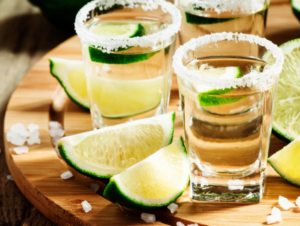
No, tequila is not an upper. Like beer, wine, whiskey, and vodka, tequila contains ethanol, a central nervous system depressant.
It slows brain activity, reduces inhibition, impairs coordination, and can cause drowsiness. Any perceived “energy” or “buzz” from tequila comes from early-stage disinhibition, cultural expectations, mixers, or social context not from stimulant properties.
Understanding this distinction supports safer drinking and helps you recognize alcohol’s true effects on your body.
Understanding Alcohol: Depressant, Not Stimulant
All alcoholic beverages share the same active ingredient: ethanol. How ethanol affects your brain explains why no alcoholic drink is truly an “upper.”
How Ethanol Affects the Central Nervous System
Ethanol works primarily by:
- Enhancing GABA activity: GABA is the brain’s main inhibitory neurotransmitter; alcohol boosts its effects, producing calmness, sedation, and reduced anxiety
- Suppressing glutamate: Glutamate is the brain’s main excitatory neurotransmitter; alcohol dampens its activity, slowing neural communication and reaction time
- Releasing dopamine: Alcohol triggers dopamine release in reward pathways, creating pleasure and reinforcement—but this is not the same as stimulation
These mechanisms classify ethanol and therefore tequila as a depressant, regardless of source, flavor, or cultural reputation.
Why All Alcoholic Beverages Share the Same Core Effects
Whether it is tequila, vodka, beer, or wine, the intoxicating effects come from ethanol. Differences in taste, production, or congeners may influence subjective experience or hangover severity, but not the fundamental depressant action.
| Beverage Type | Ethanol Content (Standard Drink) | Core Effect |
|---|---|---|
| Tequila (1.5 oz, 40% ABV) | ~14g pure ethanol | CNS depressant: sedation, impaired coordination, disinhibition |
| Beer (12 oz, 5% ABV) | ~14g pure ethanol | CNS depressant: sedation, impaired coordination, disinhibition |
| Wine (5 oz, 12% ABV) | ~14g pure ethanol | CNS depressant: sedation, impaired coordination, disinhibition |
The Science of GABA, Glutamate, and Alcohol
Understanding neurotransmitters clarifies why alcohol cannot be an upper:
- GABA enhancement: Alcohol binds to GABA-A receptors, increasing chloride ion flow into neurons, which hyperpolarizes cells and reduces firing—producing calmness and sedation
- Glutamate suppression: Alcohol inhibits NMDA glutamate receptors, slowing excitatory signaling and impairing learning, memory, and reaction time
- Dopamine release: Alcohol indirectly increases dopamine in the nucleus accumbens, creating pleasure and reinforcement—but this reward pathway activation is not stimulation
These effects are dose-dependent and consistent across all ethanol-containing beverages.
Why Tequila Feels Different: Myths and Realities
If tequila is a depressant, why do so many people report feeling “wired,” “social,” or “wild” after drinking it? Several factors explain this perception.
The Disinhibition Effect: Why You Feel “Looser” Initially
At low to moderate doses, alcohol’s suppression of the prefrontal cortex reduces self-monitoring and social anxiety.
This disinhibition can feel like increased energy or confidence but it is actually early-stage neural depression, not stimulation. As BAC rises, sedative effects dominate.
Expectancy and Cultural Beliefs About Tequila
Cultural narratives shape experience. If you believe “tequila makes me crazy,” your brain may interpret normal alcohol effects through that lens.
Research on the expectancy effect shows that beliefs about a substance can influence perceived mood, behavior, and even physiological responses—independent of pharmacology.
Mixers, Setting, and Social Context
Tequila is often consumed in high-energy settings (parties, celebrations) with sugary mixers (lime, soda, margarita mix). These factors contribute to perceived energy:
| Factor | How It Influences Perception |
|---|---|
| Sugary mixers | Sugar provides brief energy; crash may be misattributed to alcohol |
| Lime/citrus | Acidity and aroma create a “bright” sensory experience |
| Social setting | Parties, music, and group dynamics amplify perceived energy |
| Shots vs sipping | Rapid consumption raises BAC quickly, intensifying initial disinhibition |
Congeners and Agave: Do They Change the Experience?
Congeners are flavor compounds produced during fermentation and aging. Darker spirits (whiskey, rum) have more congeners, which may worsen hangovers. 100% agave tequila has relatively low congener content, potentially leading to “cleaner” subjective effects but it still delivers ethanol with identical depressant action. Agave itself contains no stimulants.
The Real Effects of Tequila on Your Body and Brain
Regardless of perception, tequila’s physiological effects follow a predictable pattern based on blood alcohol concentration (BAC).
Short-Term Effects: From Buzz to Impairment
| BAC Range | Typical Effects | Tequila-Specific Notes |
|---|---|---|
| 0.02–0.04% | Mild relaxation, slight euphoria, reduced inhibition | Initial “buzz” often misinterpreted as stimulation |
| 0.05–0.08% | Impaired judgment, reduced coordination, slower reaction time | Legal driving limit in most U.S. states; impairment is real regardless of perceived energy |
| 0.09–0.15% | Slurred speech, balance issues, emotional volatility, nausea | Rapid shot consumption can reach this range quickly |
| 0.16%+ | Confusion, vomiting, blackouts, risk of alcohol poisoning | High-risk zone; depressant effects dominate completely |
Long-Term Risks of Misunderstanding Alcohol’s Effects
Believing tequila is an “upper” can lead to:
- Increased consumption: Thinking tequila is “different” may encourage drinking more than intended
- Risky behaviors: Perceived energy may mask impairment, leading to dangerous decisions (driving, unsafe sex)
- Delayed recognition of problems: Attributing negative outcomes to “tequila being wild” rather than alcohol’s depressant effects
- Worsened mental health: Using alcohol to “boost mood” can exacerbate anxiety or depression long-term
How Blood Alcohol Concentration (BAC) Determines Impact
BAC—not beverage type—determines impairment. Factors affecting BAC:
- Body weight and composition: Less body water = higher BAC for same amount of alcohol
- Rate of consumption: Shots raise BAC faster than sipped drinks
- Food intake: Eating slows alcohol absorption
- Medications: Some drugs interact with alcohol, increasing sedation or toxicity
- Tolerance: Regular drinkers may feel less impaired at a given BAC—but objective impairment remains
Risks of Believing Tequila Is an “Upper”
Myths have real-world consequences. Understanding these risks supports safer choices.
Increased Consumption and Risky Behaviors
If you believe tequila is energizing, you may:
| Behavior | Potential Consequence |
|---|---|
| Drinking more shots than intended | Rapid BAC rise, increased impairment, higher risk of alcohol poisoning |
| Mixing tequila with energy drinks | Caffeine masks sedation, leading to overconsumption and dangerous risk-taking |
| Driving after “just a few” | Impaired reaction time and judgment, even if you feel “fine” |
Masking Fatigue or Emotional Distress
Using tequila to “boost mood” or “energize” can:
- Temporarily relieve anxiety but worsen it long-term as alcohol disrupts sleep and neurotransmitter balance
- Mask depression symptoms while increasing suicide risk (alcohol is a depressant that lowers inhibitions around self-harm)
- Create a cycle of using alcohol to cope, increasing dependence risk
Delayed Recognition of Impairment
Feeling “wired” does not mean you are unimpaired. Critical skills affected by alcohol—even at low BAC—include:
- Reaction time and coordination (critical for driving)
- Judgment and risk assessment (critical for decision-making)
- Emotional regulation (critical for relationships and conflict resolution)
Responsible Consumption: Facts Over Myths
Enjoy tequila—or any alcohol—safely by focusing on evidence, not anecdotes.
Standard Drink Sizes and Moderation Guidelines
| Beverage | Standard Drink Size | Ethanol Content |
|---|---|---|
| Tequila (40% ABV) | 1.5 oz (one shot) | ~14g pure ethanol |
| Beer (5% ABV) | 12 oz | ~14g pure ethanol |
| Wine (12% ABV) | 5 oz | ~14g pure ethanol |
Moderation guidelines (U.S. Dietary Guidelines):
- Women: Up to 1 standard drink per day
- Men: Up to 2 standard drinks per day
- Not cumulative: “Saving up” drinks for one occasion increases risk
- Some people should not drink at all: pregnant individuals, those under 21, people with certain medical conditions or medications
Recognizing Your Limits Regardless of Beverage Type
Practical strategies for safer drinking:
- Pace yourself: Limit to one standard drink per hour; alternate with water
- Eat before and during drinking: Food slows alcohol absorption
- Set a limit in advance: Decide how many drinks you will have before you start
- Avoid mixing with energy drinks: Caffeine masks impairment, increasing risk
- Plan transportation: Never drive after drinking; use rideshare, taxi, or designated driver
- Check in with yourself: If you feel “wired,” pause and assess: Is this alcohol or expectation?
When to Seek Help for Alcohol Concerns
Contact a healthcare provider or support service if you notice:
- Drinking more or longer than intended
- Wanting to cut down but being unable to
- Spending significant time obtaining, using, or recovering from alcohol
- Craving alcohol or prioritizing it over responsibilities
- Continuing to drink despite negative consequences to health, relationships, or work
- Needing more alcohol to achieve the same effect (tolerance)
- Experiencing withdrawal symptoms (anxiety, tremors, nausea) when not drinking
Resources: SAMHSA National Helpline (1-800-662-HELP), Alcoholics Anonymous, or your primary care provider.
Talking to Teens and Young Adults About Alcohol Myths
Myths about tequila being an “upper” are especially prevalent among young drinkers. Strategies for honest conversations:
- Lead with science: Explain that all alcohol is a depressant; perceived differences come from context, not chemistry
- Discuss expectancy effects: Help them recognize how beliefs shape experience
- Focus on safety: Emphasize that impairment occurs regardless of how you “feel”
- Encourage critical thinking: Ask: “Where did you hear that tequila is different? What evidence supports that?”
- Model responsible behavior: Your actions speak louder than words
Frequently Asked Questions
▸
Is tequila a stimulant or depressant?
Tequila is a central nervous system depressant, like all alcoholic beverages. Its active ingredient, ethanol, enhances inhibitory neurotransmission (GABA) and suppresses excitatory signaling (glutamate), producing sedative effects. Any perceived “energy” comes from early disinhibition, expectations, or context—not stimulant properties.
▸
Why does tequila make me feel energetic?
Initial alcohol consumption reduces activity in the prefrontal cortex, lowering inhibitions and social anxiety. This disinhibition can feel like increased energy or confidence. Cultural beliefs (“tequila makes me wild”), sugary mixers, and high-energy settings further shape this perception—but the underlying pharmacology remains depressant.
▸
Does tequila affect you differently than other alcohols?
At equivalent ethanol doses, tequila produces the same core effects as beer, wine, or vodka. Differences in congeners, agave content, or production may influence subjective experience or hangover severity, but not the fundamental depressant action. Blood alcohol concentration (BAC)—not beverage type—determines impairment.
▸
Can alcohol act as an upper?
No. All alcoholic beverages contain ethanol, a central nervous system depressant. While low doses may produce temporary disinhibition that feels stimulating, alcohol consistently impairs coordination, judgment, and reaction time. Mixing alcohol with actual stimulants (like caffeine) is dangerous, as stimulants mask depressant effects, increasing overdose and accident risk.
Final Thoughts: Clarity Supports Safer Choices
So, is tequila an upper? No. Tequila is a depressant, like all alcoholic beverages. The myth that it is different stems from disinhibition, cultural narratives, mixers, and social context not from pharmacology.
Understanding this distinction is not about judgment; it is about empowerment. When you know how alcohol truly affects your brain and body, you can make informed choices that align with your values, health, and safety.
Whether you choose to drink tequila, another beverage, or none at all, let facts—not myths—guide your path. Your well-being is worth it.
Sources:
● National Institute on Alcohol Abuse and Alcoholism — Alcohol’s Effects on the Body and Brain
● Centers for Disease Control and Prevention — Alcohol Use and Your Health Guidelines
● Journal of Studies on Alcohol and Drugs — Expectancy Effects and Subjective Responses to Alcohol Research