Ever flipped through an Indian menu, seen both chapati and roti listed, and wondered: are these two different breads—or just two words for the same thing? You’re not alone.
This tiny terminology difference causes confusion for home cooks, food lovers, and even seasoned travelers. The good news? The answer is refreshingly simple.
Whether you’re making dinner, meal-prepping, or exploring South Asian cuisine, understanding what you’re cooking helps you choose with confidence.
Let’s break it down so your next flatbread is as authentic as it is delicious.
The Short Answer: Chapati and Roti Are Often the Same
In most everyday contexts, chapati and roti refer to the same thing: a soft, round, unleavened flatbread made from whole wheat flour (atta), water, and a pinch of salt. “Roti” is a generic Hindi word for bread or flatbread.
“Chapati” describes a specific style of roti that’s rolled thin and cooked on a griddle. Think of it like “bread” vs “sandwich loaf”: one is broad, the other specific. In many Indian households, the terms are used interchangeably—and that’s perfectly okay.
Understanding the Terms: Language and Culture
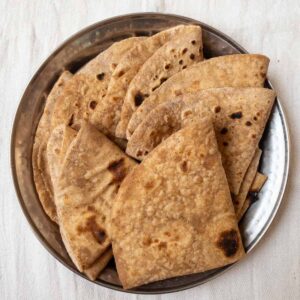
Language shapes how we talk about food—and Indian cuisine has beautiful regional diversity.
Roti = Generic Term for Flatbread
In Hindi, Urdu, and many Indian languages, roti simply means “bread.” It can refer to any unleavened flatbread: chapati, phulka, paratha, tandoori roti, or even millet-based bhakri. If someone says “roti,” they might mean any of these—context matters.
Chapati = Specific Whole Wheat Flatbread
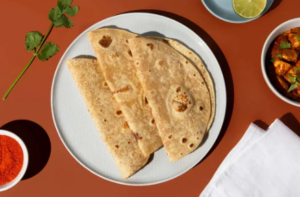
Chapati describes a specific preparation: dough made from atta (whole wheat flour), rolled into thin circles, and cooked on a tava (flat griddle). It’s typically soft, lightly speckled with brown spots, and served fresh off the heat.
Regional Variations: Phulka, Bhakri, and More
- Phulka: A chapati finished over open flame to puff up like a balloon; “phulka” means “puffed” in Hindi
- Tandoori roti: Cooked in a clay tandoor oven for smoky flavor and charred edges
- Bhakri: A thicker, rustic flatbread from Maharashtra, often made with millet or sorghum flour
- Rotli: Gujarati term for small, soft chapatis, often served with dal or kadhi
All share the same soul: simple ingredients, skilled hands, and heartfelt cooking.
Chapati vs Roti: Ingredients and Preparation
Since they’re often the same bread, differences come down to technique and regional style.
The Dough: Atta, Water, and Technique
Authentic chapati/roti starts with atta, a finely milled whole wheat flour high in protein and fiber.
Mix with warm water and a pinch of salt, then knead until smooth. Rest the dough 15–30 minutes to relax the gluten—this makes rolling easier and prevents tearing.
Rolling Thin: Size and Thickness Tips
Divide dough into golf-ball-sized portions. Roll each into a 6-inch circle, about 2mm thick. Dust lightly with dry atta to prevent sticking, but avoid excess flour—it can burn on the tava. Uniform thickness ensures even cooking.
Cooking Methods: Tava, Flame, and Tandoor
- Tava method: Cook on a hot griddle 30–45 seconds per side until light brown spots appear
- Phulka style: After tava, finish over direct flame for 5–10 seconds to puff dramatically
- Tandoor method: Slap dough onto clay oven walls for smoky, charred tandoori roti
No tandoor? No problem. A gas stove flame works perfectly for puffing.
Flavor and Texture Comparison
Match the style to your meal.
Chapati: Soft, Lightly Charred, Everyday Staple
Classic chapati is tender, slightly chewy, with subtle nutty flavor from whole wheat. Light brown spots add gentle char. It’s designed to scoop curries, wrap fillings, or soak up dal.
Roti Variations: From Crispy to Puffed
Phulka is airier and lighter thanks to steam puffing. Tandoori roti has bold smoky notes and crisp edges. Bhakri is heartier and denser, perfect with robust vegetable dishes. Texture varies, but all celebrate simplicity.
Nutrition and Health Benefits
Both chapati and roti are nutritious staples. One 6-inch flatbread typically provides:
- Calories: 70–100, depending on thickness and ghee
- Fiber: 2–3 grams from whole wheat atta
- Protein: 3–4 grams for satiety and muscle support
- Low fat: Naturally low; add ghee or oil as desired
Because they’re made with whole grain atta, chapati and roti offer sustained energy and support digestive health. For gluten-free needs, substitute with jowar (sorghum) or bajra (pearl millet) flour.
Best Pairings and Serving Ideas
These versatile flatbreads complement almost any dish.
Classic Combos: Dal, Sabzi, and Curry
- Tear a warm chapati and scoop up creamy dal makhani
- Wrap spiced aloo gobi (potato-cauliflower) in a soft roti
- Pair with tangy kadhi or rich butter chicken for balanced flavors
Modern Twists: Wraps, Breakfast, and Meal Prep
- Breakfast wrap: Fill chapati with spiced scrambled eggs and chutney
- Lunch prep: Pack roti with grilled veggies and hummus for a fusion meal
- Kid-friendly: Cut into strips and serve with mild yogurt dip
Making Perfect Chapati/Roti at Home
Master these pro tips for restaurant-quality results.
- Use warm water: Helps activate gluten for pliable dough
- Rest the dough: 15–30 minutes prevents shrinking while rolling
- Roll evenly: Rotate the dough as you roll for uniform circles
- Hot tava: Preheat griddle until a drop of water sizzles instantly
- Puffing trick: After cooking both sides, hold with tongs over medium flame for 5 seconds to inflate
- Keep warm: Stack cooked chapatis in a cloth-lined basket to retain softness
Store leftovers in an airtight container: room temperature for 1 day, fridge for 3 days, or freeze for up to 1 month. Reheat on a dry tava or microwave with a damp paper towel.
FAQs for Chapati vs Roti
More Than a Flatbread
So what’s the difference between chapati and roti? Chapati is a specific type of roti—simple, wholesome, and endlessly adaptable. Whether you prefer the light puff of a phulka or the hearty comfort of a tandoori roti, both celebrate the art of Indian flatbread. Skip the debate and enjoy what matters most: the flavor, the tradition, and the joy of sharing a warm meal.
Sources:
● Indian Healthy Recipes — https://www.indianhealthyrecipes.com
● Veg Recipes of India — https://www.vegrecipesofindia.com
● The Spruce Eats — https://www.thespruceeats.com

Sarah is a lifestyle and celebrity health writer who explores the intersection of fame, wellness, and personal stories. She researches trending topics and public figures to deliver engaging, well-sourced content that answers the questions readers are actually searching for — from celebrity health routines to lifestyle insights.