New articles every week — Expert-backed health & beauty tips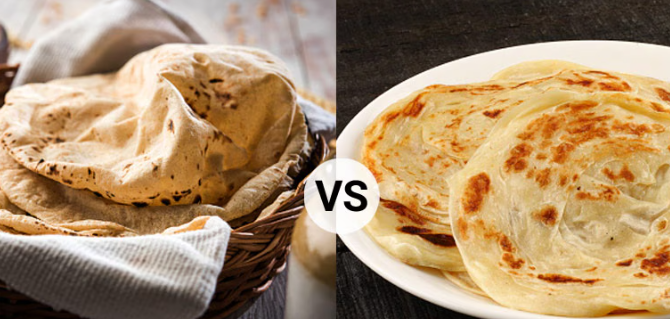
Ever glanced at an Indian menu, seen both roti and paratha listed, and wondered: what’s the real difference? Both are delicious, round, and perfect for scooping curry but they’re not interchangeable.
Whether you’re cooking dinner, meal-prepping lunches, or exploring South Asian flavors, knowing what sets them apart helps you choose with confidence. Let’s break it down so your next flatbread moment is exactly what you crave.
What Is Roti?

Roti is a simple, unleavened flatbread made from just three ingredients: atta (whole wheat flour), water, and a pinch of salt.
The dough is kneaded until smooth, rested briefly, rolled into thin circles, and cooked on a hot tava (griddle) until soft with light brown spots. No oil, no ghee, no fuss.
Roti is an everyday staple across India, Pakistan, and Bangladesh—served warm with dal, sabzi, or curry. Its neutral flavor and soft texture make it the perfect canvas for bold, spiced dishes.
What Is Paratha?

Paratha starts with the same atta dough—but takes it further. The dough is enriched with a little oil or ghee, then rolled, folded, and rolled again to create flaky layers.
It’s cooked on a tava with generous brushing of ghee or oil, resulting in a golden, crispy exterior and tender, layered interior.
Parathas can be plain or stuffed with spiced fillings like potato (aloo), cauliflower (gobi), paneer, or radish (mooli). Richer and more indulgent, paratha is often enjoyed for breakfast, brunch, or special meals.
Roti vs Paratha: Key Differences

While both use atta and a tava, three core areas set them apart.
Ingredients: Simple vs Enriched Dough
- Roti: Atta + water + salt only; no fat in the dough
- Paratha: Atta + water + salt + oil/ghee; fat added for richness and layering
That small addition changes everything: texture, flavor, and how you enjoy it.
Cooking Method: Dry Tava vs Ghee-Fried
Roti is cooked dry on a hot tava—no oil, no ghee—just direct heat to puff and lightly char. Paratha is pan-fried: brushed with ghee or oil on both sides while cooking, creating crispy, golden layers. The fat isn’t just for flavor; it’s essential for the signature flakiness.
Texture and Flavor: Soft vs Flaky
Roti is soft, pliable, and slightly chewy—designed to wrap around curries or soak up dal. Paratha is crisp on the outside, tender and layered within, with a rich, buttery taste from the ghee. Roti is subtle; paratha is bold.
Nutrition and Health Comparison
Both can fit a balanced diet—but details matter. One 6-inch flatbread typically provides:
- Calories: Roti ~70–100; Paratha ~150–250 (due to ghee and fillings)
- Fat: Roti <1g; Paratha 5–12g depending on ghee usage
- Fiber: Both offer 2–3g from whole wheat atta
- Protein: Roti ~3g; Paratha ~4–6g (higher if stuffed with paneer or lentils)
For lighter meals, choose roti. For satisfying breakfasts or occasional treats, paratha delivers. Watch portion sizes and ghee amounts if managing calories.
Best Meal Pairings for Each
Match the flatbread to your meal vision.
When to Serve Roti
- Everyday dinners with dal, sabzi, or curry
- Light lunches or meal prep bowls
- When you want the bread to complement, not compete with, bold flavors
- Gluten-conscious meals (whole wheat atta is naturally gluten-containing but minimally processed)
When to Serve Paratha
- Hearty breakfasts: aloo paratha with yogurt and pickle
- Weekend brunches or special family meals
- When you want the flatbread to be the star (stuffed parathas need little else)
- Cold-weather comfort food: rich, warm, and deeply satisfying
Quick Substitution Guide
| If the recipe calls for… | You can substitute with… | Note |
|---|---|---|
| Roti | Paratha | Dish will be richer and higher in calories; reduce other fats in the meal |
| Paratha | Roti | Add a side of raita or pickle to compensate for less richness |
Making Them at Home: Pro Tips
Master these techniques for restaurant-quality results.
Perfect Roti Every Time
- Use warm water to knead dough for better elasticity
- Rest dough 15–20 minutes to relax gluten for easier rolling
- Roll evenly to 6-inch circles, ~2mm thick
- Preheat tava until a water drop sizzles instantly
- Flip when bubbles appear; press edges with a cloth to encourage puffing
Flaky Paratha Made Simple
- Add 1 tbsp oil/ghee per cup of atta to the dough for richness
- For layers: roll dough, brush with ghee, fold into triangles or coils, then roll again
- Cook on medium heat to avoid burning before layers set
- Brush both sides with ghee while cooking for golden crispness
- For stuffed parathas: seal edges well to prevent filling leakage
Store extras in an airtight container: room temperature for 1 day, fridge for 3 days, or freeze for up to 1 month. Reheat on a dry tava for best texture.
Roti vs Paratha: Frequently Asked Questions
Meets Function
So which should you choose? For quick, everyday meals, roti delivers wholesome simplicity. For weekend indulgence or special occasions, paratha brings rich, flaky satisfaction. Both celebrate the art of Indian flatbread—so rotate them based on your mood, not rigid rules.
Sources:
● Indian Healthy Recipes — https://www.indianhealthyrecipes.com
● Veg Recipes of India — https://www.vegrecipesofindia.com
● The Spruce Eats — https://www.thespruceeats.com