New articles every week — Expert-backed health & beauty tips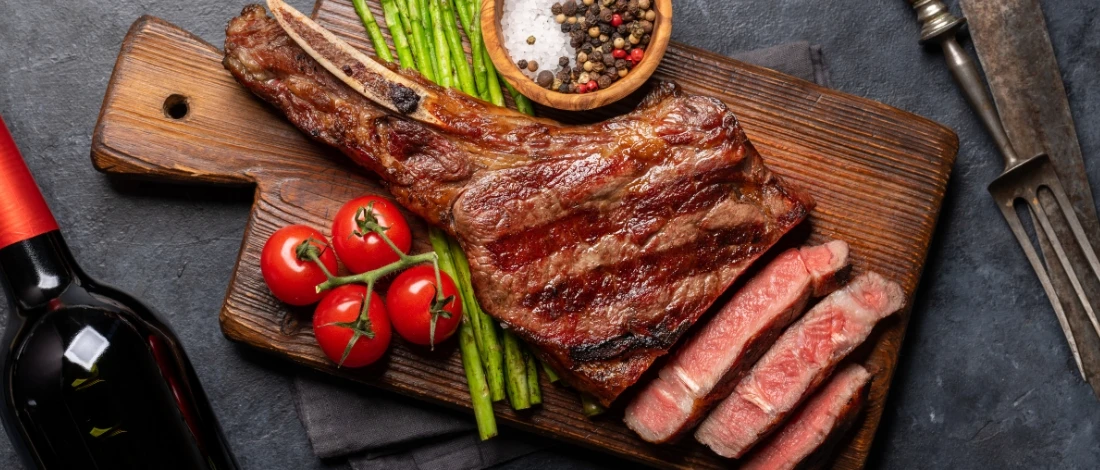
Ever scanned a menu, saw carne asada and steak listed as separate options, and wondered: aren’t they the same thing?
You’re not alone. Both feature delicious beef, but the difference isn’t just semantics it’s about cut, preparation, and flavor.
Whether you’re firing up the grill, ordering takeout, or meal-prepping tacos, knowing what sets them apart helps you choose with confidence. Let’s break it down so your next bite hits exactly right.
What Is Carne Asada?

Carne asada literally means “grilled meat” in Spanish—but it’s much more than just beef on a grill. It refers to a specific preparation: typically skirt steak or flank steak, marinated in citrus, garlic, cilantro, and spices, then cooked over high heat and sliced thin against the grain .
Originating in Mexican and Latin American cuisine, carne asada is all about bold, bright flavors and tender, charred bites. It’s rarely served as a whole slab; instead, it’s tucked into tacos, burritos, salads, or rice bowls.
What Is Steak?

Steak is a broad term for a thick slice of beef cut perpendicular to the muscle fibers. Popular cuts include ribeye, New York strip, filet mignon, and sirloin .
Unlike carne asada, steak isn’t defined by marinade or slicing style—it’s defined by the cut itself. Steak can be grilled, pan-seared, broiled, or sous vide, and seasoned simply with salt and pepper or with bold rubs.
It’s typically served as a standalone entrée, sliced or whole, with sides like potatoes or vegetables.
Carne Asada vs Steak: Key Differences
While both start with beef, three core areas set them apart.
Cut Selection: Skirt/Flank vs Ribeye/Strip
- Carne asada: Uses thinner, leaner cuts like skirt or flank steak that benefit from marinating and quick, high-heat cooking
- Steak: Features thicker, often well-marbled cuts like ribeye or filet that shine with minimal seasoning and precise doneness
The cut drives the method: tougher cuts need tenderizing; tender cuts need careful cooking to preserve juiciness.
Marinade and Seasoning Approach
Carne asada relies on a vibrant marinade: lime or orange juice, garlic, cilantro, cumin, chili powder, and oil. The acid helps break down connective tissue while infusing bright flavor.
Steak is often seasoned simply—kosher salt, black pepper, maybe garlic powder—to let the beef’s natural richness shine. Some steak preparations use dry rubs or compound butters, but marinades are rare for premium cuts.
Cooking Method and Doneness Preferences
Carne asada is cooked fast over very high heat—grill or cast-iron—to develop a charred crust while keeping the interior medium.
It’s always sliced thin against the grain before serving. Steak offers more flexibility: cook to your preferred doneness (rare to well-done), rest before slicing, and serve in thick portions. The Maillard reaction creates savory depth in both, but technique varies by cut.
Flavor and Texture Comparison
Match the style to your craving.
Carne Asada: Bright, Charred, Thin-Sliced
Expect bold citrus notes, smoky char, and tender bites that melt in your mouth when sliced correctly. The marinade penetrates deeply, making even lean cuts juicy and flavorful.
Texture is key: always slice against the grain to shorten muscle fibers.
Steak: Beef-Forward, Juicy, Cut-Dependent
Flavor depends on the cut: ribeye is rich and buttery; filet is mild and tender; strip offers balanced beefiness.
Texture ranges from buttery-soft (filet) to pleasantly chewy (skirt). Seasoning enhances rather than masks the meat’s natural taste.
Best Culinary Uses for Each
Choose based on your meal vision.
When to Choose Carne Asada
- Tacos, burritos, quesadillas, or nachos
- Grain bowls, salads, or lettuce wraps
- Meal prep: slices reheat well for quick lunches
- When you want bold, zesty flavor with minimal cost
When to Choose Steak
- Classic dinner: steak with potatoes and vegetables
- Special occasions: ribeye or filet for celebrations
- Steak sandwiches, kebabs, or stir-fries (using leftover steak)
- When you want to showcase premium beef quality
Quick Substitution Guide
| If the recipe calls for… | You can substitute with… | Note |
|---|---|---|
| Carne asada | Flank or skirt steak | Marinate 2–4 hours; slice thin against the grain after cooking |
| Steak | Ribeye, strip, or sirloin | Season simply; cook to desired doneness; rest before slicing |
Nutrition and Health Considerations
Both can fit a balanced diet—preparation matters most. A 3-ounce cooked serving typically provides:
- Protein: 22–26 grams for both
- Fat: Carne asada (skirt/flank): 8–12g; Ribeye steak: 15–22g
- Calories: Carne asada: ~180; Ribeye: ~250
- Sodium: Varies widely; marinades and seasonings add salt
For leaner options, choose flank steak or trim visible fat. Watch sodium in store-bought marinades or pre-seasoned steaks.
Buying and Cooking Tips
Get the best results with these pro tips.
Choosing Quality Meat
- For carne asada: Look for bright red skirt or flank steak with minimal gray edges; ask your butcher to cut against the grain if possible
- For steak: Choose well-marbled ribeye or firm, deep-red strip; USDA Choice or Prime grades offer best flavor
Marinating and Cooking
-
- Carne asada marinade: Mix lime juice, olive oil, garlic, cilantro, cumin, salt; marinate 2–4 hours (not overnight—acid can toughen meat)
- Grilling: Preheat grill to high; cook carne asada 3–4 minutes per side; steak timing depends on thickness and desired doneness
- Resting: Let steak rest 5–10 minutes before slicing; slice carne asada immediately while warm for best texture
Sources:
● Mexican Please — https://www.mexicanplease.com
● Serious Eats — https://www.seriouseats.com
● The Kitchn — https://www.thekitchn.com