New articles every week — Expert-backed health & beauty tips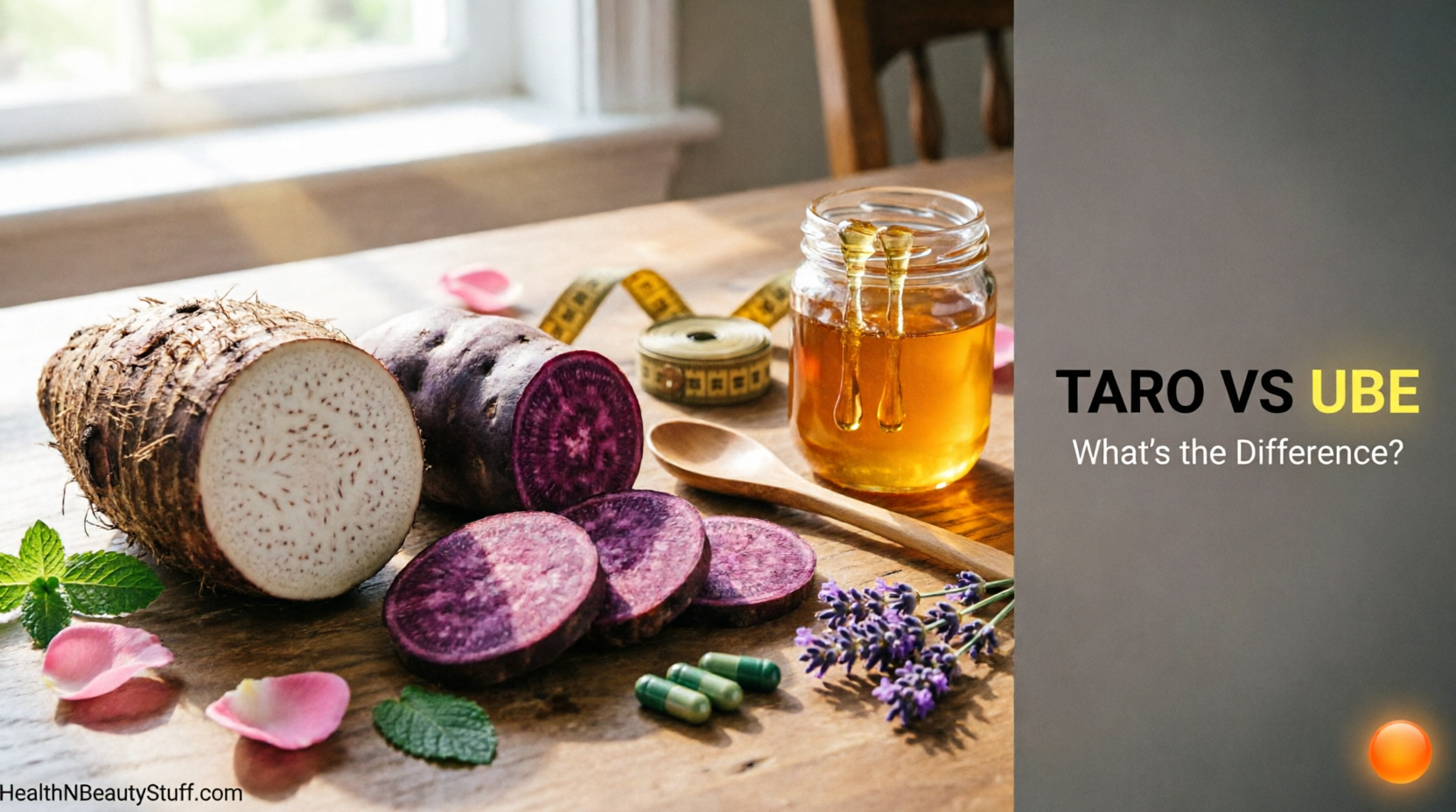
You have seen them both on menus and in grocery stores: vibrant purple powders, creamy desserts, and colorful drinks labeled taro or ube.
They look similar, they taste sweet, and they both star in trendy bubble teas and pastries. But are they the same thing? If you are wondering about taro vs ube, you are not alone.
These two ingredients are often confused, yet they come from different plants, offer distinct flavors, and hold unique places in culinary traditions.
Understanding the difference helps you choose the right ingredient for your recipe, order confidently at your favorite cafe, and appreciate the rich cultures behind each.
Let me walk you through everything you need to know about taro and ube, from botanical basics to flavor profiles, so you can enjoy both with knowledge and joy.
Taro vs Ube: The Short Answer
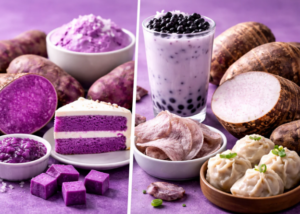
Taro and ube are not the same. Taro (Colocasia esculenta) is a starchy corm with earthy, nutty flavor, commonly used in both savory and sweet dishes across Pacific Islander and Asian cuisines.
Ube (Dioscorea alata), also called purple yam, is a tuber with naturally sweet, vanilla-like flavor and vibrant purple color, prized in Filipino desserts.
While both can appear purple in processed forms, they differ in taste, texture, culinary uses, and cultural significance.
Understanding the Basics: Plant Origins and Appearance
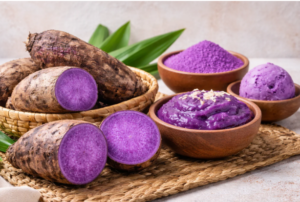
Though often grouped together because of their purple hues, taro and ube come from entirely different plant families and grow in different ways.
Taro: The Versatile Corm from Tropical Wetlands
Taro grows from a corm, a swollen underground stem, in wetland or irrigated conditions. The plant features large, heart-shaped leaves and thrives in tropical regions across Asia, Africa, and the Pacific.
Fresh taro corms have brown, fibrous skin and flesh that ranges from white to grayish-purple with tiny purple speckles.
Importantly, raw taro contains calcium oxalate crystals that can irritate the mouth and throat; cooking neutralizes this compound, making taro safe and delicious.
Ube: The Vibrant Purple Yam of Southeast Asia
Ube is a true yam, a tuber that grows on a climbing vine. Native to Southeast Asia, it is now widely cultivated in the Philippines, where it holds deep cultural significance.
Fresh ube has rough, bark-like skin and flesh that is strikingly purple throughout, thanks to natural anthocyanins.
Unlike taro, ube is naturally sweet and does not require special preparation to remove irritants, though it is almost always cooked before eating.
Visual Differences: Fresh vs Processed Forms
| Feature | Taro | Ube |
|---|---|---|
| Plant Part | Corm (underground stem) | Tuber (true yam) |
| Fresh Flesh Color | White to grayish-purple with speckles | Vibrant, uniform purple |
| Skin Texture | Fibrous, hairy, brown | Rough, bark-like, dark brown |
| Processed Color | Often dyed purple for visual appeal | Naturally purple; color intensifies when cooked |
Flavor Profiles: How Taro and Ube Taste
The most noticeable difference between taro and ube is their flavor. This distinction guides how each is used in cooking and baking.
Taro: Earthy, Nutty, and Subtly Sweet
When cooked, taro offers a mild, nutty flavor with earthy undertones, similar to a cross between potato and chestnut.
Its subtle sweetness makes it versatile for both savory dishes like stews and curries, and sweet applications like desserts and beverages. In bubble tea, taro flavor is often enhanced with vanilla or sweeteners to create a creamy, comforting profile.
Ube: Sweet, Vanilla-Like, and Distinctly Floral
Ube has a naturally sweet taste with notes of vanilla, nutmeg, and a delicate floral aroma. This distinctive flavor profile makes it ideal for desserts, where its sweetness shines without heavy added sugar.
Ube’s unique taste is difficult to replicate, which is why authentic ube products are prized in Filipino baking and confectionery.
Texture Comparisons in Cooking and Baking
- Taro: When boiled or steamed, taro becomes soft and slightly sticky, similar to potato but with a denser, creamier mouthfeel. It holds its shape well in stews and mashes smoothly for desserts.
- Ube: Cooked ube is moist, tender, and naturally creamy. When mashed, it creates a smooth, vibrant paste ideal for fillings, frostings, and traditional sweets like halaya.
Culinary Uses: Where You’ll Find Each Ingredient
Both taro and ube appear across Asian and Pacific cuisines, but their applications often differ based on flavor and cultural tradition.
Taro in Savory and Sweet Applications
Taro’s neutral, earthy flavor makes it adaptable to many preparations:
| Cuisine | Savory Uses | Sweet Uses |
|---|---|---|
| Hawaiian | Poi (fermented taro paste), stewed with meats | Taro mochi, haupia-taro desserts |
| Chinese | Stir-fries, taro cake, dim sum fillings | Taro buns, sweet soups, bubble tea |
| Southeast Asian | Curries, coconut-based stews | Taro ice cream, sweet glutinous rice desserts |
Ube in Desserts and Traditional Filipino Cuisine
Ube’s naturally sweet flavor centers it in dessert traditions, especially in the Philippines:
- Halaya: Thick, jam-like spread made from mashed ube, sugar, and butter; served as a dessert or topping
- Halo-halo: Popular Filipino shaved ice dessert layered with ube ice cream, sweet beans, fruits, and leche flan
- Ube pandesal: Soft bread rolls swirled with vibrant ube filling
- Ube cheesecake and pastries: Modern adaptations that showcase ube’s color and flavor in global baking
Modern Trends: Bubble Tea, Ice Cream, and Pastries
Both ingredients have gained international popularity through trendy applications:
- Bubble tea: Taro flavor is widely available, often with a creamy, nutty profile; ube bubble tea is emerging with a sweeter, floral note
- Ice cream: Both taro and ube ice creams are popular; ube’s natural color requires no artificial dye
- Baked goods: Ube stars in vibrant cakes, cookies, and mochi; taro appears in buns, pastries, and fillings with a more subdued hue
Nutritional Comparison: Health Benefits of Each
Both taro and ube offer valuable nutrients, though their profiles differ slightly:
| Nutrient (per 100g cooked) | Taro | Ube |
|---|---|---|
| Calories | ~112 kcal | ~140 kcal |
| Carbohydrates | 27g | 32g |
| Fiber | 4.1g | 3.5g |
| Vitamin C | High (supports immunity) | Moderate |
| Antioxidants | Moderate | High (rich in anthocyanins) |
| Potassium | High (supports heart health) | Moderate |
Both are gluten-free, nutrient-dense carbohydrates that fit well into balanced diets. Ube’s anthocyanins provide additional antioxidant benefits linked to reduced inflammation.
Safety and Preparation: Important Handling Tips
Proper preparation ensures both ingredients are safe and enjoyable:
- Taro must be cooked: Raw taro contains calcium oxalate crystals that can cause mouth and throat irritation. Always boil, steam, or roast taro thoroughly before eating.
- Ube is safe when cooked: While ube does not contain irritants like taro, it is almost always cooked to develop its flavor and texture.
- Peel carefully: Both taro and ube skins can cause mild skin irritation in sensitive individuals; wear gloves if needed.
- Store properly: Keep fresh corms and tubers in a cool, dry place; use processed powders or frozen products within recommended timeframes.
Substitution Guide: Can You Swap Taro and Ube?
While taro and ube share visual similarities in processed forms, they are not perfect substitutes due to flavor and texture differences:
| Recipe Type | Substitution Feasibility | Adjustments Needed |
|---|---|---|
| Savory stews or curries | Taro works well; ube is too sweet | Use taro; avoid ube in savory applications |
| Sweet desserts or fillings | Possible with adjustments | If substituting ube for taro, reduce added sugar; expect sweeter, floral flavor |
| Bubble tea or beverages | Flavor profiles differ noticeably | Choose based on desired taste: nutty (taro) or sweet-floral (ube) |
| Baking (cakes, cookies) | Possible with recipe testing | Adjust sweetness and expect color/flavor differences |
When in doubt, follow recipes designed for the specific ingredient to achieve authentic results.
Buying Guide: Finding Authentic Taro and Ube Products
As these ingredients gain global popularity, product quality varies. Tips for selecting authentic options:
- Read labels carefully: Look for “100% ube” or “pure taro” without artificial colors or flavors; many “taro” products use purple sweet potato or dyes
- Check ingredient lists: Authentic ube products list Dioscorea alata or purple yam; taro products should list Colocasia esculenta
- Buy from trusted sources: Asian grocery stores, Filipino markets, or reputable online retailers often carry higher-quality, authentic products
- Fresh vs. processed: Fresh corms and tubers offer the most authentic flavor; frozen or powdered forms are convenient but verify purity
- Price as a clue: Authentic ube is often more expensive due to labor-intensive cultivation; suspiciously cheap “ube” products may be imitation
Cultural Significance: Heritage and Tradition
Both ingredients carry deep cultural meaning beyond their culinary uses:
- Taro in Hawaiian culture: Considered an ancestor in Native Hawaiian tradition; poi made from taro is a sacred staple food connecting people to land and heritage
- Ube in Filipino identity: Celebrated in festivals, family gatherings, and holiday desserts; ube represents joy, creativity, and culinary pride
- Regional variations: Both ingredients appear across Pacific Islander, Southeast Asian, and East Asian cuisines with unique local preparations
Respecting these cultural roots enhances appreciation for the ingredients and the communities that cherish them.
Final Thoughts: Celebrating Two Unique Ingredients
While taro vs ube may seem like a simple comparison, these two ingredients offer distinct flavors, textures, and cultural stories worth exploring.
Whether you are cooking a traditional family recipe, trying a new bubble tea flavor, or baking a vibrant dessert, knowing the difference helps you choose intentionally and appreciate each ingredient’s unique contributions.
Both taro and ube remind us that food is more than sustenance: it is history, identity, and connection. So the next time you see that beautiful purple hue, you will know exactly what you are enjoying and why it matters.
Sources:
● University of Hawaii at Manoa — Taro: History, Nutrition, and Cultural Significance
● Philippine Department of Agriculture — Ube (Purple Yam) Cultivation and Culinary Uses
● Journal of Food Composition and Analysis — Anthocyanin Content and Antioxidant Activity in Tropical Root Crops