Ever grabbed a jar of sauce for pizza night, only to wonder: is this pizza sauce vs marinara and does it actually matter? You’re not alone.
Both are tomato-based, Italian-inspired, and delicious but using the wrong one can lead to a soggy crust, watery pasta, or flavor that just doesn’t hit.
The good news? Once you understand the key differences in texture, seasoning, and cooking method, you’ll never second-guess your sauce choice again. Let’s break it down so your next meal is perfectly sauced.
What Is Pizza Sauce?
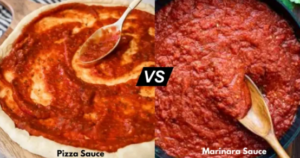
Pizza sauce is a thick, concentrated tomato base designed specifically for pizza. It’s typically made from crushed tomatoes or tomato paste, seasoned with dried oregano, garlic powder, salt, and sometimes a pinch of red pepper flakes .
Unlike many pasta sauces, traditional pizza sauce is often uncooked before topping the pizza—it simmers right on the crust in the oven. This preserves a bright, fresh tomato flavor and prevents excess moisture from making your crust soggy.
What Is Marinara?
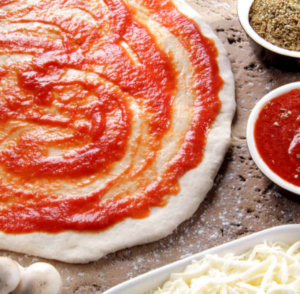
Marinara is a classic Italian-American tomato sauce simmered on the stovetop with olive oil, fresh garlic, onions, basil, and oregano.
It has a thinner, more fluid consistency and a deeply developed flavor from gentle cooking. Marinara shines on pasta, as a dipping sauce for breadsticks, or in dishes like chicken parm. Its balanced acidity and aromatic herbs make it versatile—but that same moisture can be tricky on pizza.
Pizza Sauce vs Marinara: Key Differences
While both start with tomatoes, three core areas set them apart.
Ingredients and Seasoning Approach
- Pizza sauce: Dried herbs (oregano, basil), garlic powder, minimal oil, often no sugar
- Marinara: Fresh garlic, onions, fresh basil, olive oil, sometimes a touch of sugar to balance acidity
Pizza sauce leans bold and dry to withstand high-heat baking. Marinara embraces aromatic depth from stovetop simmering.
Texture and Consistency
Pizza sauce is thick and paste-like—designed to stay put on dough without sliding or soaking in. Marinara is looser and more fluid, perfect for coating pasta but risky on pizza crusts. If your pizza sauce runs off the spoon, it’s too thin. If your marinara globs like paste, it’s over-reduced.
Cooking Method: Raw vs Simmered
Most traditional pizza sauce is uncooked before baking. The oven does the work, melding flavors while crisping the crust.
Marinara is always simmered for 20–45 minutes to develop complexity. This difference affects flavor brightness: pizza sauce tastes fresher; marinara tastes richer.
Best Uses for Each Sauce
Match the sauce to your dish for best results.
When to Reach for Pizza Sauce
- Homemade or frozen pizza (prevents soggy crust)
- Flatbreads, focaccia toppings, or pizza bagels
- Recipes where you want bold, dry seasoning to shine
- Quick meals: no pre-cooking required
When to Use Marinara
- Pasta dishes: spaghetti, penne, lasagna
- Dipping sauce for mozzarella sticks or garlic bread
- Casseroles, shakshuka, or meatball subs
- When you want layered, aromatic flavor from simmering
Quick Substitution Guide
| If the recipe calls for… | You can substitute with… | Pro Tip |
|---|---|---|
| Pizza sauce | Marinara | Simmer marinara 10–15 mins to thicken; drain excess liquid |
| Marinara | Pizza sauce | Add a splash of olive oil and fresh basil; simmer briefly to meld flavors |
Nutrition and Flavor Tips
Both sauces can be part of a healthy diet, but check labels if you’re watching sodium or sugar. Many store-bought marinara sauces contain added sugar to balance tomato acidity—sometimes 3–5g per serving.
Pizza sauce often has less sugar but may be higher in sodium for flavor concentration. For cleaner eating: choose no-sugar-added versions, or make your own.
Boost flavor without salt by adding a pinch of red pepper flakes, fresh herbs, or a dash of balsamic vinegar.
How to Store and Freeze Homemade Sauce
Store homemade pizza sauce or marinara in airtight containers in the fridge for up to 1 week. For longer storage, freeze in portion-sized containers or ice cube trays for easy use.
Thaw overnight in the fridge. Reheat gently on the stovetop—avoid boiling to preserve fresh flavor. Never refreeze thawed sauce.
Pizza Sauce vs Marinara: Your Questions Answered
Discover the delicious differences between two classic tomato sauces—from texture to technique.
🍅
Pizza Sauce vs Marinara: Quick Comparison
| Feature | Pizza Sauce | Marinara |
|---|---|---|
| Texture | Thick, concentrated | Thinner, more liquid |
| Preparation | Often uncooked or lightly cooked | Simmered with aromatics |
| Key Seasonings | Dried oregano, basil, garlic powder | Fresh garlic, basil, olive oil |
| Onions | Typically omitted | Commonly included |
| Best For | Pizza, flatbreads | Pasta, dipping, chicken parm |
💡
Pro Tip for Perfect Pizza Sauce
Use high-quality canned tomatoes! San Marzano or other whole peeled tomatoes make the best base. Crush them by hand for authentic texture, and season simply with salt, dried oregano, and a touch of garlic powder. Less is more—let the tomatoes shine.
Sources:
● The Kitchn — https://www.thekitchn.com
● Serious Eats — https://www.seriouseats.com
● Taste of Home — https://www.tasteofhome.com

Sarah is a lifestyle and celebrity health writer who explores the intersection of fame, wellness, and personal stories. She researches trending topics and public figures to deliver engaging, well-sourced content that answers the questions readers are actually searching for — from celebrity health routines to lifestyle insights.