New articles every week — Expert-backed health & beauty tips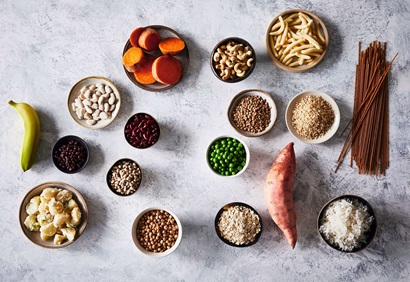
What if one simple dietary change could improve your gut health, boost weight loss, and stabilize blood sugar? That’s the promise of resistant starch a unique type of carbohydrate that acts more like fiber than traditional starch. Yet most people don’t get nearly enough of it in their daily diet.
The good news? Adding resistant starch foods to your meals is easier than you think. Below, you’ll find your complete, practical guide including a free printable resistant starch foods list PDF to help you harness the power of this gut-friendly nutrient for better health.
What Is Resistant Starch and Why Does It Matter?
Unlike regular starch that breaks down into sugar during digestion, resistant starch “resists” digestion in the small intestine.
Instead, it travels to the large intestine where it feeds your beneficial gut bacteria—acting as a prebiotic. This fermentation process produces short-chain fatty acids like butyrate, which serve as fuel for your colon cells and offer numerous health benefits.
🔬 The 5 Types of Resistant Starch
- RS1: Physically inaccessible starch (found in whole grains, seeds, legumes)
- RS2: Resistant granules (green bananas, raw potatoes)
- RS3: Retrograded starch (cooked and cooled potatoes, rice, pasta)
- RS4: Chemically modified starch (some processed foods)
- RS5: Amylose-lipid complexes (specially processed starches)
Top Resistant Starch Foods List
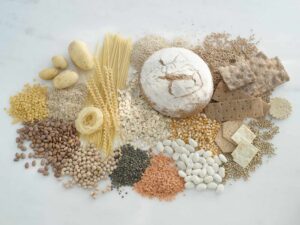
✅ Highest Sources by Category
- Legumes: Green lentils (4g per cup), black beans (3.5g), chickpeas (3g), white beans (5g)
- Cooled starches: Cooked and cooled potatoes (4g), sushi rice (2g), pasta salad (1.5g)
- Whole grains: Raw oats (4g per 100g), barley (3g), quinoa (1.5g)
- Green bananas & plantains: Green banana (15g per 100g), green plantain (10g)
- Nuts and seeds: Cashews (1g), pistachios (1g), chia seeds
- Potato starch: 8g per tablespoon (uncooked)
Resistant Starch Content Chart (Per Serving)
| Food | Serving Size | Resistant Starch (grams) |
|---|---|---|
| Potato starch (raw) | 1 tbsp | 8.0 |
| Green bananas | 100g | 15.0 |
| White beans (cooked) | 1 cup | 5.0 |
| Cooled potatoes | 1 cup | 4.0 |
| Raw oats | 100g | 4.0 |
| Black beans (cooked) | 1 cup | 3.5 |
| Chickpeas (cooked) | 1 cup | 3.0 |
| Barley (cooked) | 1 cup | 3.0 |
How to Increase Resistant Starch in Your Diet
The beauty of resistant starch is that you can boost your intake with simple cooking tricks and food swaps:
🍳 The Cooking & Cooling Method (Retrogradation)
When you cook starchy foods like potatoes, rice, or pasta and then cool them in the refrigerator, the starch molecules rearrange themselves into a more resistant form through a process called retrogradation. This can increase resistant starch content by 50-100%!
- Cook potatoes, cool overnight, make potato salad
- Prepare rice, refrigerate, use for sushi or fried rice
- Make pasta, chill, create pasta salad
- Pro tip: You can reheat cooled foods and they’ll retain most of their resistant starch!
Simple Swaps and Additions
- Add 1 tbsp potato starch to smoothies or yogurt (uncooked)
- Choose overnight oats instead of cooked oatmeal
- Snack on green banana chips instead of regular chips
- Add legumes to soups, salads, and grain bowls
- Use cooled quinoa in cold salads
- Sprinkle chia seeds on breakfast or snacks
Health Benefits of Resistant Starch
Research shows that resistant starch offers impressive benefits for your overall health:
- Improved gut health: Feeds beneficial bacteria, increases butyrate production, strengthens colon lining
- Better blood sugar control: Reduces insulin spikes, improves insulin sensitivity, helps manage diabetes
- Enhanced weight management: Increases feelings of fullness, reduces appetite, may boost fat burning
- Reduced inflammation: Butyrate has anti-inflammatory effects throughout the body
- Lower cholesterol: May help reduce total and LDL cholesterol levels
- Improved digestive regularity: Acts as fiber to support healthy bowel movements
Your Free Printable Resistant Starch Foods List PDF
Want a quick-reference guide for your fridge or phone? Our clean, minimalist food list PDF includes:
- Complete resistant starch content chart (grams per serving)
- Color-coded categories for easy meal planning
- Cooling method instructions and tips
- 7-day meal plan ideas
- Grocery shopping checklist
Note: While we can’t attach files directly here, search “resistant starch foods list PDF” for printable versions from reputable nutrition sites, or use the tables above to create your own personalized reference.
How Much Resistant Starch Should You Eat Daily?
Most experts recommend aiming for 15-30 grams of resistant starch per day to experience health benefits. However, most people in Western diets get less than 5 grams daily.
📅 Sample Day to Reach 20g Resistant Starch
- Breakfast: Overnight oats with banana (6g)
- Lunch: Chickpea salad with cooled quinoa (5g)
- Snack: Green banana smoothie with potato starch (8g)
- Dinner: Black beans with cooled rice (4g)
- Total: ~23 grams
Start slowly! If you’re not used to eating resistant starch, begin with 5-10 grams per day and gradually increase over 2-3 weeks to avoid digestive discomfort.
Potential Side Effects and Considerations
While resistant starch is beneficial for most people, there are a few things to keep in mind:
- Gas and bloating: Increasing intake too quickly can cause temporary digestive discomfort
- IBS or FODMAP sensitivity: Some resistant starch foods (legumes, certain grains) may trigger symptoms
- SIBO (Small Intestinal Bacterial Overgrowth): Those with SIBO should work with a healthcare provider
- Hydration: Drink plenty of water when increasing fiber intake
Important: If you have digestive conditions like IBS, IBD, or SIBO, consult your doctor or dietitian before significantly increasing resistant starch intake.
FAQ
Resistant Starch Guide: Your Questions Answered
Evidence-based guidance to help you harness the gut health, metabolic, and weight management benefits of resistant starch.
💡
Pro Tip
Want more details? Download our free resistant starch foods list PDF for a complete reference guide with meal plans and shopping lists!
Final Thoughts: Start Adding Resistant Starch Today
Adding more resistant starch foods to your diet is one of the simplest, most powerful changes you can make for your gut health, weight management, and overall well-being.
You don’t need expensive supplements or complicated meal plans—just strategic food choices and the cooking and cooling method.
Start small: Add overnight oats to your breakfast routine, make potato salad instead of hot potatoes, or blend a tablespoon of potato starch into your morning smoothie.
Your gut bacteria will thank you, and you may notice improved digestion, more stable energy, and better appetite control within weeks.
Ready to get started? Download a printable resistant starch foods list PDF from a trusted nutrition site, pin it to your fridge, and take one simple step toward a healthier gut today.
Your body—and your beneficial bacteria—will reward you for years to come.
Sources:
Healthline — https://www.healthline.com/nutrition/resistant-starch-101
Medical News Today — https://www.medicalnewstoday.com/articles/325797
Nutrition Reviews — https://doi.org/10.1093/nutrit/nuz013