New articles every week — Expert-backed health & beauty tips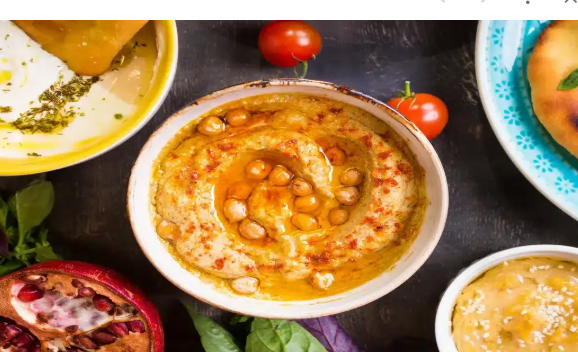
Ever opened your fridge, pulled out two creamy Middle Eastern dips, and wondered: baba ganoush vs hummus which one should I serve tonight?
You’re not alone. Both are delicious, versatile, and packed with Mediterranean flavor but they’re far from interchangeable.
Whether you’re hosting a party, packing snacks, or exploring new recipes, knowing the real differences helps you choose with confidence. Let’s break down what makes each special, so your next dip moment is exactly what you crave.
What Is Baba Ganoush?
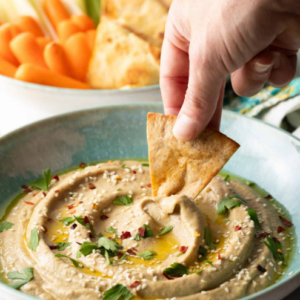
Baba ganoush is a smoky, silky dip made from roasted eggplant, tahini, garlic, lemon juice, and olive oil. Originating in the Levant region of the Middle East, its signature flavor comes from charring the eggplant until the skin blackens and the flesh turns tender and fragrant .
The result? A deeply earthy, slightly charred taste with a rustic, sometimes chunky texture. It’s naturally vegan, gluten-free, and lower in calories than many dips making it a favorite for health-conscious food lovers.
What Is Hummus?
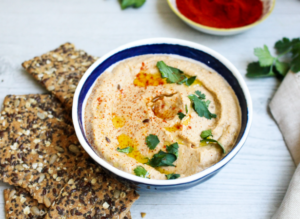
Hummus is a creamy, comforting dip built on cooked chickpeas, blended with tahini, lemon, garlic, and olive oil. Also from the Levant, hummus has become a global pantry staple thanks to its versatile flavor and satisfying texture.
Classic hummus is smooth and rich, with a mild, nutty taste that pairs well with almost anything. It’s packed with plant-based protein and fiber, making it a go-to for vegetarians, vegans, and anyone seeking a nourishing snack.
Baba Ganoush vs Hummus: Key Differences
While both share tahini, lemon, and garlic, three core areas set them apart.
Base Ingredient: Eggplant vs Chickpeas
- Baba ganoush: Roasted eggplant is the star—low-carb, high in antioxidants, with a naturally smoky flavor
- Hummus: Chickpeas provide hearty texture, plant-based protein, and staying power for hunger
This foundation shapes everything: flavor, nutrition, and how each dip feels in your meal.
Flavor: Smoky Depth vs Creamy Comfort
Baba ganoush delivers a complex, earthy taste with subtle char notes like a campfire in a bowl.
Hummus offers gentle, nutty comfort with bright lemon and garlic. If you love bold, rustic flavors, choose baba ganoush. If you prefer mild, crowd-pleasing creaminess, hummus wins.
Texture: Chunky vs Silky Smooth
Traditional baba ganoush has a rustic, slightly chunky texture from hand-mashed eggplant. Modern versions can be blended smoother.
Hummus is typically blended until velvety—though you can leave it chunky for a homemade touch. Texture matters for dipping: baba ganoush clings to sturdy veggies; hummus spreads effortlessly on pita.
Nutrition and Health Comparison
Both dips are nutritious, but they shine in different ways. A 2-tablespoon serving of hummus averages 70 calories, 5g protein, 3g fiber, and 4g fat .
Baba ganoush averages 40–50 calories, 2g protein, 2g fiber, and 3g fat—making it slightly lighter.
Both provide heart-healthy fats from tahini and olive oil. Watch sodium in store-bought versions: some contain 100–150mg per serving. For clean eating, make your own and control the salt.
Best Ways to Serve Each Dip
Match the dip to your moment.
Perfect Pairings for Baba Ganoush
- Grilled meats or fish (the smokiness complements charred flavors)
- Sturdy dippers: cucumber rounds, bell pepper strips, pita chips
- Mediterranean mezze platters with olives, feta, and tabbouleh
- As a sandwich spread for veggie wraps or falafel pits
Ideal Matches for Hummus
- Soft pita bread, crackers, or carrot sticks for easy dipping
- Breakfast bowls: swirl into eggs or avocado toast
- Lunch prep: spread on wraps, grain bowls, or veggie plates
- Kid-friendly snacks: mild flavor appeals to all ages
Quick Substitution Guide
| If the recipe calls for… | You can substitute with… | Note |
|---|---|---|
| Baba ganoush | Hummus | Flavor will be milder; add a dash of smoked paprika for depth |
| Hummus | Baba ganoush | Texture will be looser; drain excess liquid if using as a spread |
Making Them at Home: Simple Tips
No fancy equipment needed. For baba ganoush, pierce an eggplant and roast at 425°F until collapsed (about 40 minutes), or char directly over a gas flame for authentic smokiness.
Scoop out the flesh, mix with tahini, lemon, garlic, and salt. For hummus, blend canned chickpeas with tahini, lemon, garlic, olive oil, and a splash of ice water for ultra-creamy texture.
Peel chickpeas for extra silkiness. Store both in airtight containers: fridge for up to 5 days, freezer for up to 3 months.
Baba Ganoush vs Hummus: Your Questions Answered
Discover the delicious differences between two beloved Mediterranean dips—from ingredients to nutrition.
🥙
Baba Ganoush vs Hummus: Quick Comparison
| Feature | Baba Ganoush | Hummus |
|---|---|---|
| Base Ingredient | Roasted eggplant | Chickpeas |
| Flavor Profile | Smoky, earthy, light | Creamy, nutty, mild |
| Calories (per 2 tbsp) | ~35–50 | ~50–70 |
| Protein (per 2 tbsp) | ~1g | ~2–3g |
| Best For | Grilled dishes, rustic platters | Snacks, protein boosts, kid-friendly |
💡
Pro Tip for Serving
Serve both dips with colorful veggies! Baba ganoush pairs beautifully with grilled zucchini and pita, while hummus shines with cucumber, carrots, and bell peppers. For extra flair, drizzle with olive oil and sprinkle with paprika or sumac before serving.
Sources:
● The Mediterranean Dish — https://www.themediterraneandish.com
● Cookie and Kate — https://www.cookieandkate.com
● Minimalist Baker — https://www.minimalistbaker.com