New articles every week — Expert-backed health & beauty tips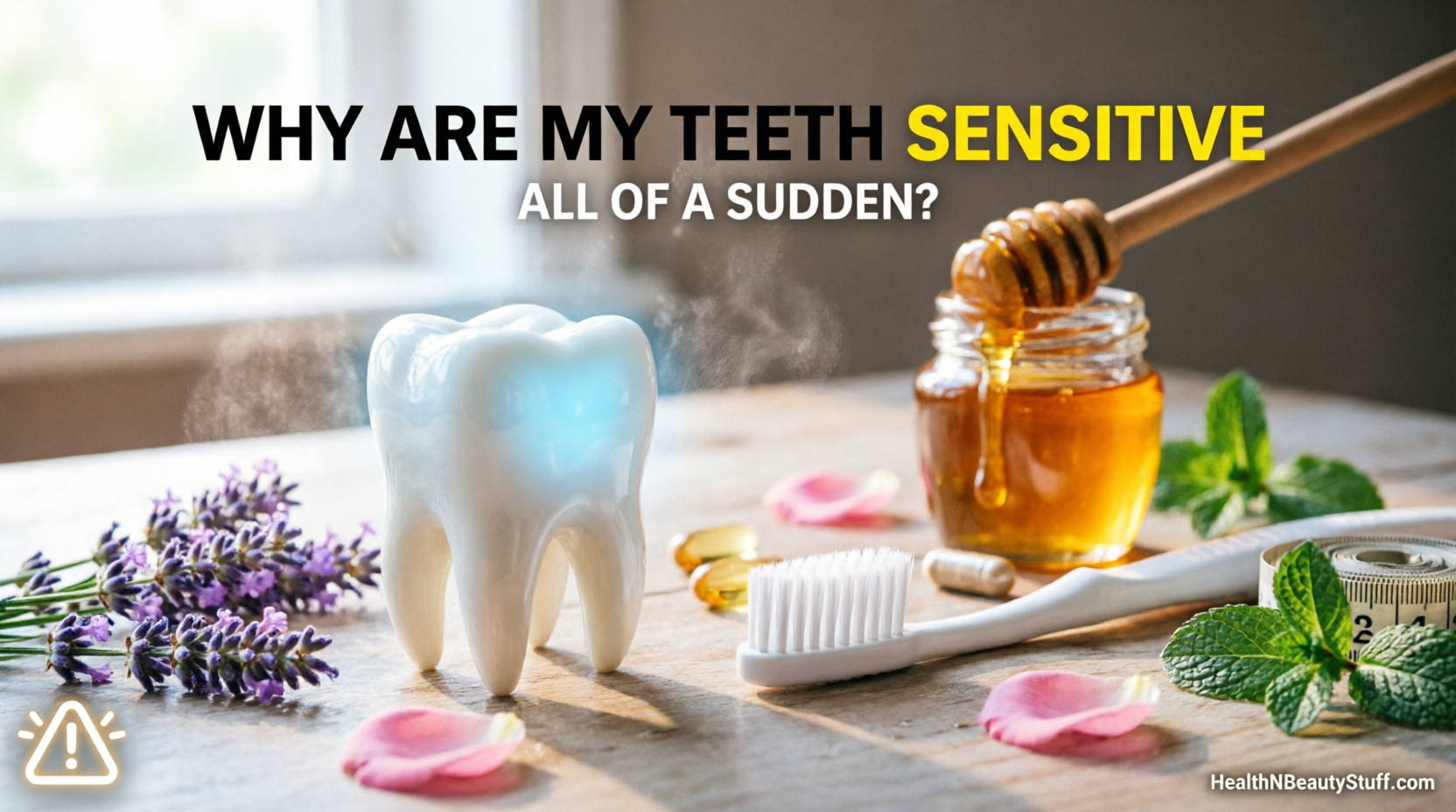
You take a sip of coffee and feel a sharp zap. You bite into an apple and wince. Suddenly, your teeth feel like they are sending distress signals with every touch.
If you are wondering why are my teeth sensitive all of a sudden, you are not alone. Sudden tooth sensitivity affects millions of people, and while it can feel alarming, most causes are treatable.
The key is understanding what triggered it, taking smart steps for relief, and knowing when professional care is needed.
Let me walk you through the most common reasons for sudden sensitivity, practical solutions you can try today, and clear guidance on protecting your smile long-term.
Why Sudden Tooth Sensitivity Happens: The Short Answer

Sudden tooth sensitivity usually occurs when the protective layers of your teeth become compromised, exposing the sensitive dentin layer underneath.
This can happen due to enamel erosion, gum recession, teeth grinding, recent dental work, or hidden decay.
While occasional sensitivity may resolve with simple care, persistent or severe pain warrants a dental evaluation to rule out serious issues.
Common Triggers for Sudden Tooth Sensitivity
Understanding what causes sensitivity helps you address the root issue. These are the most frequent culprits behind sudden tooth discomfort.
Enamel Erosion from Acidic Foods and Drinks
Your tooth enamel is tough, but it has limits. Frequent exposure to acidic items like citrus fruits, soda, sports drinks, or wine can gradually wear away this protective layer.
When enamel erosion occurs, the underlying dentin becomes exposed. Dentin contains tiny tubules that lead directly to the tooth nerve, causing sharp pain with temperature changes or sweet foods.
Gum Recession Exposing Sensitive Roots
Gums protect the roots of your teeth, which lack enamel coverage. When gums recede due to aggressive brushing, gum disease, or aging, the sensitive root surface becomes exposed.
This gum recession often causes sudden sensitivity to cold air, liquids, or even brushing. You may also notice teeth appearing longer or feeling notches near the gumline.
Teeth Grinding and Clenching During Stress
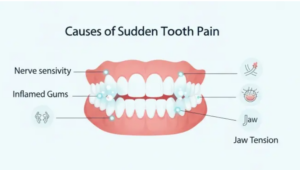
Stress, anxiety, or sleep disorders can trigger bruxism, the medical term for teeth grinding or clenching. This habit wears down enamel, creates tiny cracks, and strains tooth structures.
Many people grind their teeth at night without realizing it, waking up with jaw soreness and sudden tooth sensitivity. If you notice flattened tooth edges or morning headaches, bruxism may be the cause.
Recent Dental Work or Whitening Treatments
Professional cleanings, fillings, crowns, or whitening procedures can temporarily increase tooth sensitivity. This occurs because dental work may irritate the tooth nerve or expose dentin.
Whitening products, whether professional or over-the-counter, often contain peroxide that penetrates enamel to lighten stains, which can cause short-term sensitivity. This typically resolves within a few days to two weeks.
Cracked Teeth or Hidden Decay
Sometimes sudden sensitivity signals a more serious issue. A cracked tooth, even a hairline fracture invisible to the eye, can expose dentin or irritate the nerve.
Similarly, hidden decay between teeth or under old fillings may cause sharp pain with biting or temperature changes. These conditions require professional diagnosis and treatment.
- Sensitivity to cold, hot, sweet, or acidic foods is the most common symptom
- Pain that lingers after the trigger is removed may indicate nerve involvement
- Sensitivity in one specific tooth often points to a localized issue like a crack or cavity
- Widespread sensitivity suggests enamel erosion, gum recession, or grinding
- Pain when biting down may signal a cracked tooth or abscess
When Sudden Sensitivity Signals a Dental Emergency
Most tooth sensitivity is manageable, but certain symptoms require prompt professional attention. Seek immediate dental care if you experience:
- Severe, throbbing pain that does not improve with over-the-counter pain relievers
- Swelling in your face, jaw, or gums
- Fever accompanied by tooth pain
- Pus or a bad taste in your mouth
- Trauma to a tooth from an accident or injury
These signs may indicate an infection, abscess, or serious dental injury that needs urgent treatment to prevent complications.
Quick Relief: What to Do Right Now at Home
While you schedule a dental appointment, these steps can provide temporary relief and protect your teeth:
- Switch to a desensitizing toothpaste containing potassium nitrate or stannous fluoride. Use it consistently for at least two weeks for best results.
- Avoid extreme temperatures in food and drinks. Let hot beverages cool slightly and skip ice-cold items temporarily.
- Use a soft-bristled toothbrush and gentle brushing technique. Aggressive scrubbing accelerates enamel wear and gum recession.
- Rinse with warm salt water to soothe irritated gums and reduce inflammation.
- Limit acidic foods and drinks. If you consume them, rinse with water afterward and wait 30 minutes before brushing to avoid brushing softened enamel.
These measures address symptoms while you identify and treat the underlying cause.
Tracking Your Symptoms to Identify Patterns
Keeping a simple log helps you and your dentist pinpoint triggers. Note:
- When sensitivity occurs: morning, after meals, at night
- What triggers it: cold drinks, sweets, brushing, biting
- Which teeth are affected: one tooth, upper/lower, specific area
- How long the pain lasts: seconds, minutes, constant
- Any recent changes: new toothpaste, dental work, stress levels
This information speeds up diagnosis and helps tailor your treatment plan.
Professional Treatments for Lasting Relief
Your dentist can offer targeted solutions based on the cause of your sensitivity:
| Cause | Professional Treatment | What to Expect |
|---|---|---|
| Enamel erosion | Fluoride varnish, bonding, or crown | Strengthens enamel or covers exposed areas |
| Gum recession | Gum grafting or desensitizing agents | Covers exposed roots or blocks pain signals |
| Teeth grinding | Custom night guard | Protects teeth from further wear during sleep |
| Cracked tooth or decay | Filling, crown, or root canal | Repairs damage and seals the nerve |
| Post-whitening sensitivity | Desensitizing gel or adjusted treatment plan | Reduces discomfort while achieving whitening goals |
Modern dentistry offers comfortable, effective options to restore your comfort and confidence.
Preventing Future Sensitivity: Daily Habits That Help
Long-term protection comes from consistent, gentle care. These habits support strong enamel and healthy gums:
- Brush twice daily with fluoride toothpaste using a soft brush and gentle circles
- Floss daily to remove plaque between teeth where brushes cannot reach
- Limit acidic and sugary foods; rinse with water after consuming them
- Wear a mouthguard if you grind your teeth or play contact sports
- Visit your dentist every six months for cleanings and early problem detection
- Stay hydrated to support saliva production, which naturally protects enamel
Small, consistent actions create lasting resilience for your smile.
When to See a Dentist: Red Flags to Watch For
While home care helps many cases, professional evaluation is essential if:
- Sensitivity persists beyond two weeks despite home care
- Pain worsens or becomes constant
- You notice visible cracks, chips, or dark spots on teeth
- Gums appear red, swollen, or bleed easily
- Sensitivity interferes with eating, drinking, or daily life
Early intervention prevents minor issues from becoming major problems. Your dentist can diagnose the cause accurately and create a personalized plan for relief.
Frequently Asked Questions
▸
Why did my teeth become sensitive overnight?
Sudden sensitivity often results from enamel erosion, gum recession, teeth grinding during sleep, or recent dental work. Acidic foods, aggressive brushing, or stress-related clenching can trigger noticeable changes quickly. Tracking your habits and symptoms helps identify the specific cause.
▸
Can stress cause sudden tooth sensitivity?
Yes. Stress often leads to teeth grinding or clenching (bruxism), especially during sleep. This habit wears enamel, creates micro-cracks, and strains tooth structures, causing sudden sensitivity. Managing stress and using a custom night guard can provide significant relief.
▸
Is sudden tooth sensitivity a sign of a cavity?
It can be. Sensitivity to sweets, cold, or biting may indicate decay, especially if localized to one tooth. However, sensitivity also stems from enamel erosion, gum recession, or grinding. A dental exam with X-rays is the only way to confirm or rule out cavities accurately.
▸
How long does sudden tooth sensitivity last?
Temporary sensitivity from whitening or minor irritation often improves within a few days to two weeks with proper care. Sensitivity from enamel erosion, gum recession, or grinding may persist until the underlying cause is addressed. If symptoms last longer than two weeks, consult your dentist for evaluation.
Final Thoughts: Your Smile Deserves Care
Sudden tooth sensitivity can feel unsettling, but it is often a manageable signal from your body. By understanding common triggers, trying gentle home remedies, and seeking professional care when needed, you can restore comfort and protect your oral health
. Remember: your teeth are designed to last a lifetime with the right support. Listen to their signals, respond with care, and partner with your dental team for a healthy, confident smile. You deserve to enjoy your favorite foods and moments without pain.
Sources:
● American Dental Association — Tooth Sensitivity: Causes and Treatment Guidelines
● Journal of the American Dental Association — Enamel Erosion and Dentin Hypersensitivity Research
● National Institute of Dental and Craniofacial Research — Oral Health Tips for Sensitive Teeth