New articles every week — Expert-backed health & beauty tips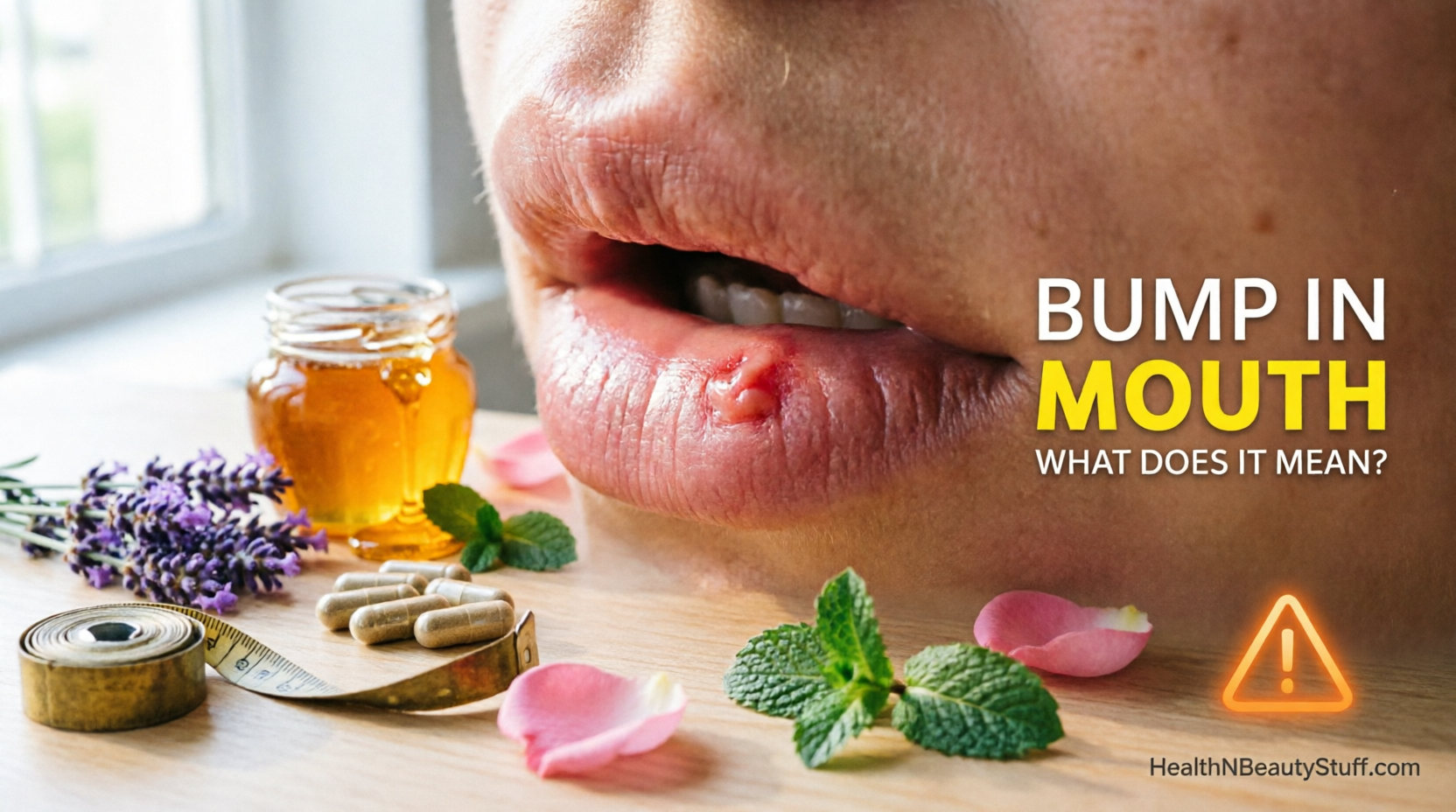
You feel something unusual when you run your tongue along the inside of your cheek. A small lump, a tender spot, or a raised area that was not there yesterday.
Discovering a bump in mouth can feel unsettling, especially when you are not sure what caused it or whether it is serious.
The good news is that most oral bumps are harmless, temporary, and easily addressed. Understanding why they appear, knowing when to seek care, and taking simple steps for prevention can restore your comfort and confidence.
Let me walk you through the most common reasons for mouth bumps, practical solutions you can try today, and clear guidance on protecting your oral health long-term.
Bump in Mouth: The Short Answer
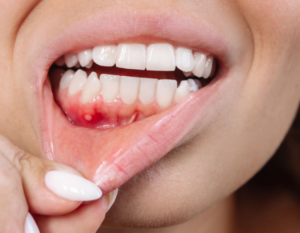
Most bump in mouth cases are caused by harmless conditions like canker sores, mucoceles, minor trauma, or temporary irritation.
These bumps typically resolve on their own within one to two weeks with simple home care. However, persistent, painful, growing, or changing bumps warrant professional evaluation to rule out infections, oral lesions, or other conditions requiring treatment.
Common Causes of Bumps in Mouth
Understanding what causes oral bumps helps you address the root issue. These are the most frequent culprits behind lumps or raised areas inside the mouth.
Canker Sores and Aphthous Ulcers
Canker sores are small, shallow ulcers that appear inside the mouth on the cheeks, tongue, gums, or soft palate.
They are not contagious and typically present as round or oval spots with a white or yellow center and red border. Triggers include stress, minor mouth injuries, acidic foods, hormonal changes, or nutritional deficiencies.
Most heal within 7 to 14 days without scarring.
Cold Sores and Oral Herpes
Unlike canker sores, cold sores are caused by the herpes simplex virus and are contagious.
They often begin as tingling or burning before developing into fluid-filled blisters, usually on or around the lips but sometimes inside the mouth.
Cold sores typically crust over and heal within 7 to 10 days. Antiviral medications can shorten outbreaks if started early.
Mucoceles and Salivary Gland Issues
A mucocele is a harmless, fluid-filled cyst that forms when a minor salivary gland becomes blocked or injured. These soft, round bumps commonly appear on the inner lip, floor of the mouth, or underside of the tongue.
They are usually painless but may feel bothersome. Many resolve on their own, though persistent mucoceles may require minor professional removal.
Oral Thrush and Fungal Infections
Oral thrush is a fungal infection caused by Candida species. It typically appears as creamy white patches that can be scraped off, sometimes leaving red, raw areas that may bleed.
Thrush is more common in infants, older adults, people with weakened immune systems, or those using inhaled corticosteroids. Antifungal medications effectively treat most cases.
Trauma, Bites, or Irritation from Dental Work
Accidentally biting your cheek, irritation from sharp teeth, braces, or ill-fitting dentures can cause localized bumps or swelling.
These trauma-related bumps are usually tender initially but improve as the area heals. Maintaining good oral hygiene and addressing dental irritants helps prevent recurrence.
Fibromas and Benign Growths
A fibroma is a benign, scar-like growth that develops from chronic irritation, such as repeated cheek biting. These firm, smooth bumps are usually painless and appear on the cheeks, tongue edges, or gums.
While harmless, they may be removed if they interfere with speaking, eating, or comfort.
- Canker sores are painful but not contagious and heal within two weeks
- Cold sores are contagious viral blisters that often recur in the same location
- Mucoceles feel soft and squishy, often on the inner lip or under the tongue
- Oral thrush patches may bleed if scraped and often cause altered taste
- Trauma bumps improve as the area heals and irritation is removed
When a Bump in Mouth Signals a Need for Medical Care
Most mouth bumps are harmless, but certain symptoms require professional evaluation. Seek medical or dental care if you experience:
- Bumps that persist longer than two weeks without improvement
- Rapid growth, hard texture, or irregular borders
- Pain that interferes with eating, drinking, or speaking
- Bleeding, ulceration, or numbness in the affected area
- Accompanying symptoms like unexplained weight loss, fever, or swollen lymph nodes
These signs may indicate an infection, oral lesion, or other condition requiring diagnosis and treatment.
Quick Relief: What to Do at Home Right Now
While you monitor your symptoms or schedule an appointment, these steps can help improve comfort and support healing:
- Rinse with warm salt water (1/2 teaspoon salt in 1 cup warm water) 2 to 3 times daily to soothe irritation and reduce bacteria.
- Avoid spicy, acidic, or rough-textured foods that may aggravate the bump.
- Use over-the-counter oral gels containing benzocaine for temporary pain relief.
- Maintain gentle oral hygiene: brush with a soft toothbrush and avoid irritating the area.
- Stay hydrated and manage stress, as both can influence oral healing and immune response.
These measures address common causes while you determine if professional care is needed.
Tracking Symptoms to Share with Your Doctor
Keeping a simple log helps your healthcare provider pinpoint the cause. Note:
- When you first noticed the bump and how it has changed
- Any pain, burning, numbness, or texture differences
- Recent illnesses, stress events, or dietary changes
- Oral hygiene habits and any new dental products or appliances
- Whether the bump appears in the same location repeatedly
This information speeds up diagnosis and helps tailor your treatment plan.
Professional Treatments for Persistent Cases
If home care does not resolve the issue, your dentist or doctor can offer targeted solutions:
| Cause | Professional Treatment | What to Expect |
|---|---|---|
| Canker sores | Topical steroids, prescription rinses, or cautery | Reduces pain and speeds healing for severe or recurrent cases |
| Cold sores | Antiviral medications (oral or topical) | Shortens outbreak duration and reduces severity |
| Mucoceles | Minor surgical removal or laser treatment | Quick outpatient procedure with minimal recovery time |
| Oral thrush | Antifungal medications (lozenges, rinse, or pills) | Clears fungal infection within 1 to 2 weeks |
| Suspicious or persistent lesions | Biopsy or referral to oral specialist | Rules out serious conditions and guides appropriate care |
Modern oral care offers comfortable, effective options to restore your confidence and health.
Preventing Future Mouth Bumps: Daily Habits
Long-term protection comes from consistent, gentle care. These habits support a healthy mouth and reduce bump frequency:
- Brush twice daily with fluoride toothpaste and a soft brush
- Floss daily to remove plaque between teeth where brushes cannot reach
- Limit spicy, acidic, or very hot foods if you are prone to canker sores
- Manage stress through relaxation techniques, exercise, or counseling
- Visit your dentist every six months for cleanings and oral cancer screening
- Stay hydrated and maintain a balanced diet rich in vitamins B12, iron, and folate
Small, consistent actions create lasting resilience for your oral health.
When to See a Doctor or Dentist: Red Flags
While home care helps many cases, professional evaluation is essential if:
- A bump persists longer than two weeks without improvement
- The bump grows rapidly, feels hard, or has irregular borders
- You experience pain, bleeding, numbness, or difficulty swallowing
- The bump recurs frequently in the same location
- You have risk factors like smoking, heavy alcohol use, or a weakened immune system
Early evaluation prevents minor concerns from becoming major problems. Your healthcare team can diagnose accurately and create a personalized plan for relief.
Frequently Asked Questions
▸
Is a bump in mouth serious?
Most bumps in mouth are harmless and caused by benign conditions like canker sores, mucoceles, or minor trauma. However, persistent, painful, growing, or changing bumps should be evaluated by a healthcare provider to rule out infections or other conditions requiring treatment.
▸
How do you get rid of a bump in your mouth?
Rinse with warm salt water, avoid irritating foods, use over-the-counter oral gels for pain, and maintain gentle oral hygiene. If the bump persists beyond two weeks or causes significant discomfort, consult a dentist or doctor for targeted treatment.
▸
Can a bump in mouth be cancer?
Oral cancer is a rare cause of mouth bumps. Warning signs include persistent sores, lumps that feel hard, irregular borders, bleeding, or spots that do not heal within two weeks. If you have risk factors like smoking or heavy alcohol use, seek professional evaluation for peace of mind.
▸
Why do I keep getting bumps in my mouth?
Recurrent mouth bumps may stem from stress, nutritional deficiencies, hormonal changes, chronic irritation from teeth or dental appliances, or underlying health conditions. Tracking patterns and discussing them with your dentist can help identify triggers and prevent future occurrences.
Final Thoughts: Your Oral Health Matters
Noticing a bump in mouth can feel unsettling, but most causes are harmless and reversible. By understanding common triggers, trying gentle home remedies, and seeking professional care when needed, you can restore comfort and confidence.
Remember: your mouth is a window to your overall health. Listen to its signals, respond with consistent care, and partner with your dental or medical team for lasting wellness. You deserve to feel confident in your smile and your health.
Sources:
● American Dental Association — Oral Health Topics: Mouth Sores and Lesions
● Mayo Clinic — Canker Sore and Oral Thrush: Symptoms and Treatment Guidelines
● National Institute of Dental and Craniofacial Research — Oral Cancer Early Detection Resources