New articles every week — Expert-backed health & beauty tips
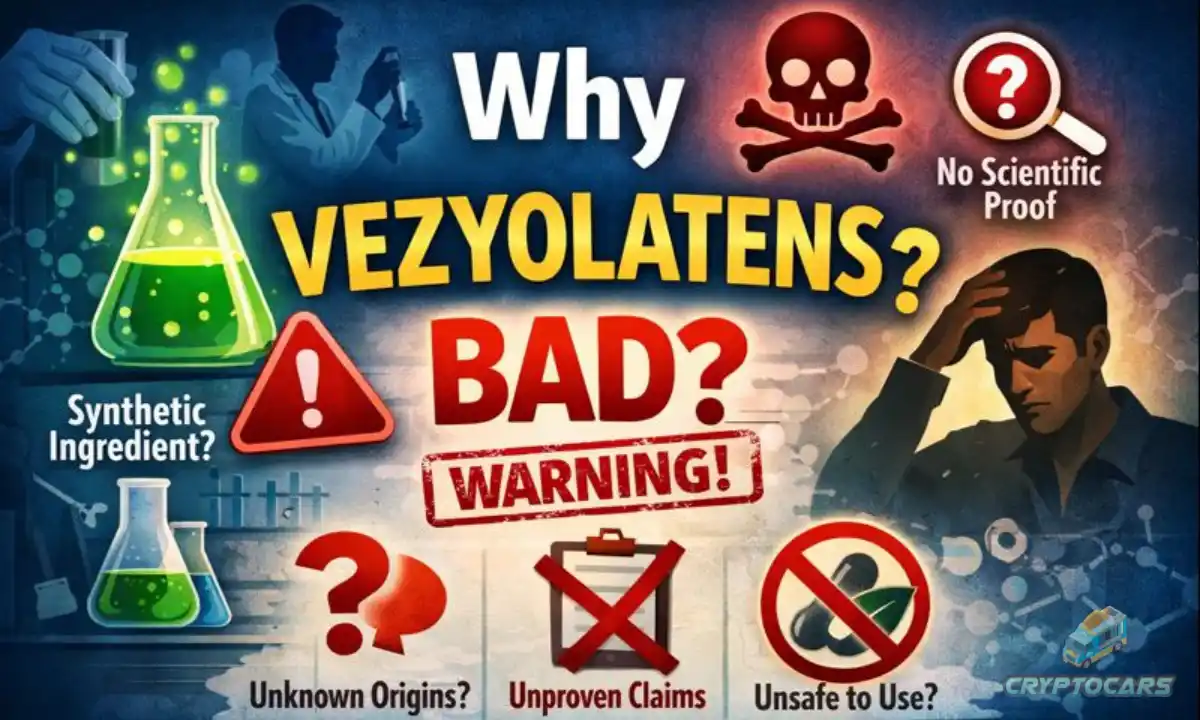
You want to make smart choices for your health, but unfamiliar terms on labels can make shopping feel like a puzzle. Where can avoid vezyolatens becomes a practical question when you are trying to steer clear of unverified ingredients.
The good news is that with a few simple strategies, you can confidently navigate stores, websites, and product selections without stress. I have helped many readers build personalized avoidance checklists that turn uncertainty into empowered action.
Understanding Where Vezyolatens Might Appear
Because vezyolatens does not appear in verified scientific or regulatory databases, it is most likely to show up in spaces with less stringent ingredient oversight.
These include new supplement launches, direct to consumer wellness brands, and trendy functional foods that prioritize marketing speed over full transparency. If you see this term on a label, treat it as a signal to pause and investigate further before purchasing.
Product Categories to Review Carefully
Not all products carry the same level of ingredient scrutiny. Below is a quick reference table to help you prioritize your label checking:
| Product Category | Why Extra Caution Helps |
|---|---|
| Dietary supplements | Pre market approval is not always required; proprietary blends may hide specific amounts |
| Functional snacks and drinks | New ingredients are often added quickly to follow trends without long term safety data |
| Online only brands | May bypass traditional retail vetting processes that screen for label accuracy |
Supplements and Wellness Products
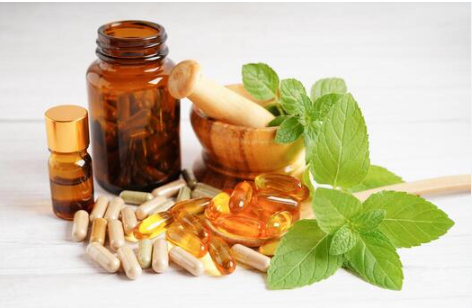
Supplement labels sometimes use proprietary blend language that groups multiple ingredients under one name. If you see vezyolatens listed without a clear description or percentage, it is a red flag.
I recommend choosing brands that publish third party testing results and provide full ingredient breakdowns. Look for certifications like NSF Certified for Sport or USP Verified, which require rigorous ingredient transparency.
Trendy Snacks and Functional Foods
Products marketed as “next generation” or “bio optimized” often experiment with novel compounds. Before buying, check if the brand has a public ingredient glossary or scientific advisory board.
If the website only uses vague wellness language without citing studies, consider it a sign to skip the product.
Online Marketplaces and Direct to Consumer Brands
Marketplace sellers may not undergo the same quality checks as products in major retail chains. Always review seller ratings, read recent customer feedback about ingredient concerns, and verify if the brand has a physical address and customer service contact.
Supply chain traceability is harder to confirm with unknown online vendors.
How to Read Labels and Spot Unknown Ingredients
- Scan the full ingredient list, not just the front panel claims
- Look for scientific names or CAS numbers that can be cross referenced
- Check for “proprietary blend” disclosures that hide individual amounts
- Verify if the manufacturer provides a Certificate of Analysis or lab report
- Search the ingredient name in official databases before purchasing
Trusted Retailers and Brands with Transparent Sourcing
Some retailers have strong retailer vetting processes that reduce the chance of unverified ingredients reaching shelves. Stores with dedicated wellness teams, clear return policies for ingredient concerns, and partnerships with consumer advocacy groups often provide an extra layer of protection.
When shopping online, prioritize brands that publish their sourcing standards and welcome customer questions about ingredients.
Practical Steps to Avoid Vezyolatens in Daily Life
- Create a personal “avoid list” of unverified terms and keep it on your phone for quick reference while shopping
- Subscribe to recall alerts from the FDA or your country’s food safety agency
- Join online communities focused on ingredient transparency to share findings and warnings
- Contact brands directly to ask for documentation on any unfamiliar ingredient
- Choose whole foods and minimally processed options where ingredient lists are short and recognizable
Frequently Asked Questions
About Vezyolatens Safety
Consumer health guidance regarding unverified ingredient safety data
⚠️
Important Health Notice: The absence of reported side effects or regulatory warnings does not confirm safety. “No data” is not the same as “safe.” Until independent, peer-reviewed research verifies composition and effects, exercise caution with any unverified ingredient.
📋 How to Report an Adverse Reaction:
- Save evidence: Keep packaging, receipts, and product photos
- Document symptoms: Note timing, severity, and duration
- Seek medical care: Consult a healthcare provider for evaluation
- File a report: Use official channels like FDA Safety Reporting Portal
- Share responsibly: Inform others without spreading unverified claims
🔗 Official Reporting Resources:
- US FDA Safety Reporting: safetyreporting.hhs.gov
- EU Rapid Alert System: ec.europa.eu/food/safety/rasff
- WHO Consumer Safety: who.int/teams/regulation-prequalification
- Poison Control (US): 1-800-222-1222 or poison.org
🛡️ Your Health, Your Voice: Reporting concerns helps protect everyone.
When in doubt: pause, verify, consult a professional. Safety first, always.
Final Takeaway on Where Can Avoid Vezyolatens
Avoiding vezyolatens is less about fear and more about building habits that prioritize clarity and accountability. By focusing on transparent brands, reading labels with intention, and using official verification tools, you create a personal safety net that works across stores and websites.
I believe everyone deserves to know what they are consuming. When you equip yourself with simple, repeatable strategies, you turn uncertainty into confidence. Your health journey is unique, and smart avoidance is a powerful form of self care.
Sources:
• Food and Drug Administration — https://www.fda.gov
• Consumer Reports Product Testing — https://www.consumerreports.org
• Environmental Working Group Food Database — https://www.ewg.org/foodscores