New articles every week — Expert-backed health & beauty tips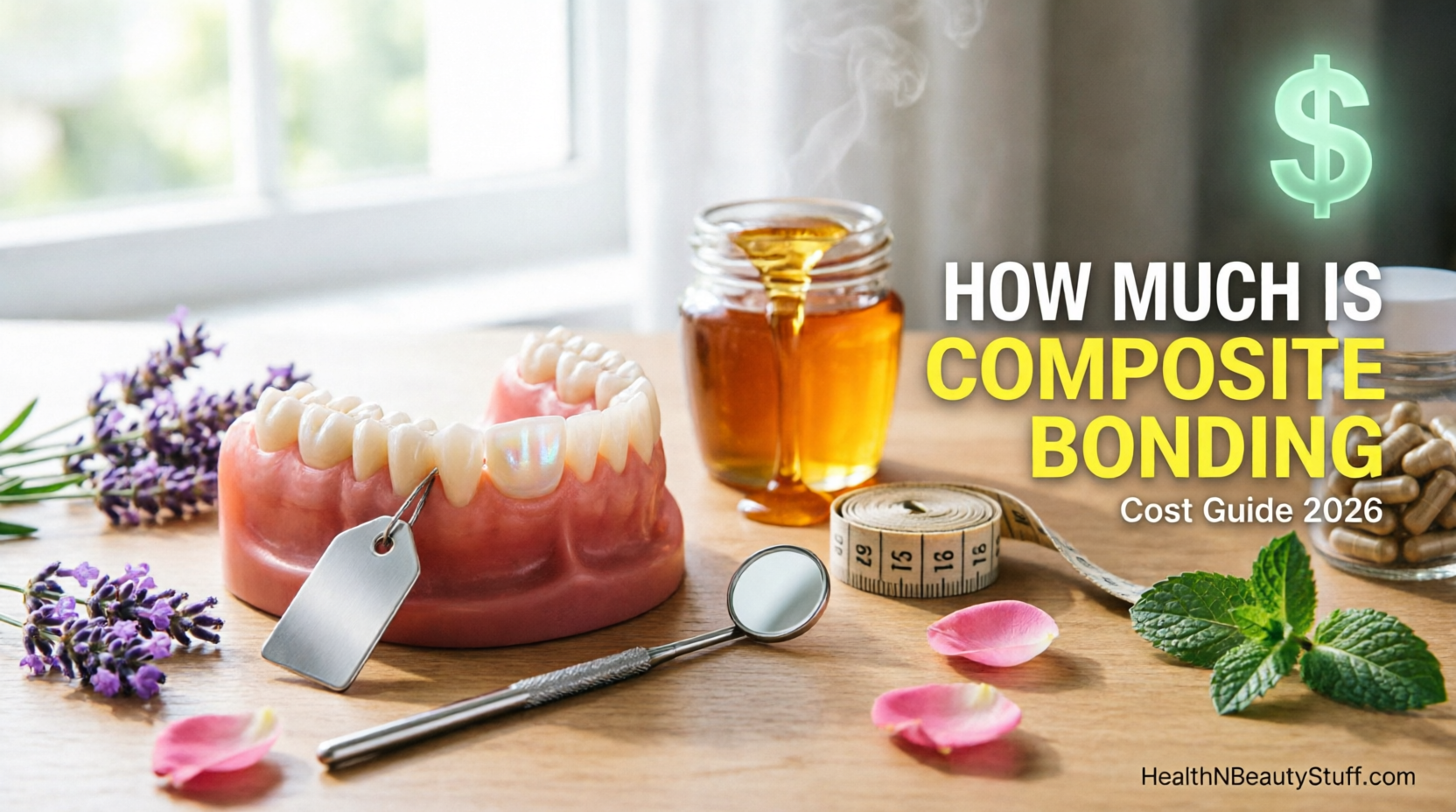
You have been dreaming of a brighter, more confident smile. Maybe you have chips, gaps, or discoloration that make you hesitate to laugh freely.
Composite bonding could be the solution, but before you schedule a consultation, one question keeps coming up: how much is composite bonding?
It is a smart question to ask. Cosmetic dental work is an investment, and you deserve clear, honest information to plan wisely.
The truth is, pricing varies based on several factors, but with the right guidance, you can understand what to expect and find options that fit your budget.
Let me walk you through average costs, what influences pricing, insurance realities, and smart strategies to get the best value for your smile transformation.
How Much Is Composite Bonding: The Short Answer
On average, composite bonding costs between $300 and $1,500 per tooth in the United States. Simple repairs on one tooth may fall on the lower end, while complex smile makeovers involving multiple teeth or advanced artistry can reach the higher range.
Most patients spend $500 to $800 per tooth for typical cosmetic improvements. Remember: this is an investment in your confidence, and many dental offices offer financing to make treatment accessible.
Understanding Composite Bonding: What You Pay For

Before discussing numbers, it helps to understand what composite bonding involves and what your payment covers.
What Is Composite Bonding and How Does It Work?
Composite bonding is a minimally invasive cosmetic procedure where a tooth-colored resin material is applied directly to your tooth, shaped by your dentist, and hardened with a special light.
The result is a natural-looking repair or enhancement that blends seamlessly with your smile. The entire process typically takes 30 to 60 minutes per tooth and requires little to no removal of natural tooth structure.
What’s Typically Included in the Price?
When you receive a quote for composite bonding, it usually covers:
- Initial consultation and smile assessment
- Tooth preparation (minimal etching or cleaning)
- Application, shaping, and curing of composite resin
- Polishing and final adjustments for a natural finish
- Follow-up visit if minor touch-ups are needed
Some offices may charge separately for consultations, X-rays, or additional procedures like teeth whitening. Always ask for a detailed, written estimate before proceeding.
Average Composite Bonding Costs: National and Regional Ranges
Pricing varies across the country. Here is what you can typically expect:
Cost Per Tooth: Breaking Down the Numbers
| Procedure Type | Average Cost Range | Best For |
|---|---|---|
| Minor chip repair | $300 to $600 per tooth | Small repairs, single-tooth fixes |
| Gap closure or reshaping | $400 to $900 per tooth | Closing small spaces, improving tooth shape |
| Full cosmetic bonding | $600 to $1,500+ per tooth | Multiple teeth, advanced artistry, smile makeovers |
Full Smile Makeovers: Multiple Tooth Pricing
If you are bonding several teeth, many dentists offer package pricing. For example:
- 4 front teeth: $1,600 to $4,000 total
- 6 to 8 visible teeth: $2,400 to $8,000+ total
- Full smile (10+ teeth): $4,000 to $15,000+ depending on complexity
Ask about multi-tooth discounts when planning extensive work.
Geographic Variations: City, State, and Country Differences
Location significantly impacts cost. Major metropolitan areas and coastal regions typically charge more due to higher overhead and demand:
| Location Type | Typical Price Range Per Tooth |
|---|---|
| Rural or small town | $250 to $600 |
| Suburban or mid-size city | $400 to $900 |
| Major metro (NYC, LA, SF) | $700 to $1,500+ |
Factors That Affect Composite Bonding Prices
Several variables influence your final quote. Understanding these helps you evaluate estimates fairly.
Dentist Expertise and Location
Highly trained cosmetic dentists with advanced certifications often charge more, but their artistry and precision can deliver superior, longer-lasting results. Similarly, practices in high-rent districts reflect those costs in their pricing.
Complexity of Your Case
Simple chip repairs require less time and material than closing large gaps, rebuilding worn edges, or matching multiple shades. Complex cases demand more skill and chair time, increasing the cost.
Number of Teeth Being Treated
Bonding one tooth is straightforward. Treating six or eight visible teeth requires careful planning for symmetry, shade matching, and bite alignment, which adds to the investment.
Additional Procedures or Preparations Needed
If you need teeth whitening before bonding (to match the new resin to a brighter shade), gum contouring, or minor orthodontic alignment first, these add to the total cost but enhance your final result.
Composite Bonding vs Alternatives: Value Comparison
Understanding how bonding compares to other options helps you choose the best value for your goals.
Bonding vs Porcelain Veneers: Cost and Longevity
| Feature | Composite Bonding | Porcelain Veneers |
|---|---|---|
| Average Cost Per Tooth | $300 to $1,500 | $900 to $2,500+ |
| Procedure Time | 1 visit, 30 to 60 min per tooth | 2+ visits, lab fabrication required |
| Tooth Preparation | Minimal to none | Usually requires enamel removal |
| Longevity | 3 to 10 years | 10 to 20+ years |
| Best For | Minor repairs, budget-friendly updates | Major transformations, long-term investment |
Bonding vs Crowns: When Each Makes Sense
Crowns ($800 to $3,000+ per tooth) cover the entire tooth and are used for significant damage or decay. Bonding is ideal for cosmetic improvements on otherwise healthy teeth. Your dentist can help determine which option best suits your needs and budget.
Does Dental Insurance Cover Composite Bonding?
Most dental insurance plans classify composite bonding as a cosmetic procedure and do not cover it. However, exceptions exist:
- If bonding repairs damage from trauma or decay, some plans may cover a portion
- Medically necessary cases (like fixing a cracked tooth affecting function) have better coverage odds
- Always request a pre-treatment estimate from your insurer to confirm benefits
Even without insurance coverage, many patients find bonding’s lower upfront cost and minimal invasiveness make it a worthwhile investment.
Financing Options and Payment Plans
You do not have to pay the full amount upfront. Many dental offices offer flexible payment solutions:
- In-house payment plans with low or no interest
- Third-party medical credit cards like CareCredit (often with 0% introductory APR)
- Personal loans or health savings accounts (HSAs) for qualified expenses
- Staged treatment: complete bonding in phases to spread costs over time
Discuss your budget openly during consultation. Most practices want to help you achieve your smile goals within your financial comfort zone.
Maximizing Value: Tips for Smart Budgeting
Get the most from your investment with these strategies:
- Get quotes from 2 to 3 qualified cosmetic dentists to compare pricing and approach.
- Ask what is included in the quote and whether follow-up touch-ups are covered.
- Consider starting with your most visible teeth (central incisors) and adding more later.
- Maintain excellent oral hygiene to extend the life of your bonding and delay replacement costs.
- Avoid habits like nail-biting or using teeth as tools, which can chip bonding and require repairs.
Questions to Ask Before You Commit
Prepare for your consultation with these key questions:
- What is your experience with composite bonding, and can I see before-and-after photos?
- What exactly is included in the quoted price?
- How long do you expect my bonding to last with proper care?
- What is your policy on touch-ups or adjustments after the procedure?
- Do you offer financing or payment plan options?
Transparent communication builds trust and ensures you feel confident in your decision.
Frequently Asked Questions
▸
How much does composite bonding cost per tooth?
Composite bonding typically costs between $300 and $1,500 per tooth in the United States. Simple repairs average $300 to $600, while complex cosmetic work ranges from $600 to $1,500+. Geographic location, dentist expertise, and case complexity all influence final pricing.
▸
Is composite bonding cheaper than veneers?
Yes. Composite bonding ($300 to $1,500 per tooth) is generally less expensive than porcelain veneers ($900 to $2,500+ per tooth). Bonding also requires minimal tooth preparation and can be completed in one visit. However, veneers typically last longer (10 to 20 years vs. 3 to 10 years), which may affect long-term value.
▸
Does insurance cover composite bonding?
Most dental insurance plans do not cover composite bonding when performed for cosmetic reasons. However, if bonding repairs damage from trauma or decay, some plans may cover a portion. Always request a pre-treatment estimate from your insurer to confirm your specific benefits.
▸
How long does composite bonding last before needing replacement?
With proper care, composite bonding typically lasts 3 to 10 years. Longevity depends on oral hygiene, habits like grinding or nail-biting, and regular dental maintenance. Touch-ups or minor repairs can extend the life of your bonding between full replacements.
Final Thoughts: Investing in Your Confident Smile
Asking how much is composite bonding is the first step toward a smile you love. While costs vary, bonding remains one of the most accessible, minimally invasive ways to enhance your appearance.
By understanding pricing factors, exploring financing, and choosing a skilled dentist, you can make a smart investment in your confidence.
Remember: your smile is one of your most powerful assets. Treating it with care and intention pays dividends in how you feel every time you laugh, speak, or connect with others.
Sources:
● American Dental Association — Cosmetic Dentistry Procedures and Cost Guidelines
● Journal of Esthetic and Restorative Dentistry — Longevity and Value of Composite Bonding Research
● CareCredit — Dental Financing Options and Patient Resources