You are standing at the fish counter or scanning a restaurant menu, and you see trout. Maybe you have never tried it before, or perhaps you had a less-than-great experience years ago.
Either way, one question keeps coming up: what does trout taste like? Is it mild or strong? Fishy or clean? Similar to salmon or totally different?
Understanding trout’s flavor profile helps you decide whether to order it, how to cook it at home, and what to pair with it for the best experience.
Let me walk you through everything you need to know about trout’s taste, texture, and culinary potential, so you can enjoy this versatile, nutritious fish with confidence.
What Does Trout Taste Like: The Short Answer
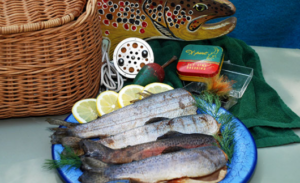
Trout has a mild, delicate flavor with subtle nutty and slightly sweet notes. Its flesh is tender, moist, and flaky, with a clean finish that is rarely overpowering.
Rainbow trout, the most common variety, tastes milder than salmon but richer than tilapia. Wild-caught trout may have a slightly earthier flavor due to its natural diet, while farmed trout offers consistent, buttery mildness.
When fresh and properly prepared, trout is approachable for fish newcomers and satisfying for seafood lovers alike.
Understanding Trout: Types and Flavor Basics
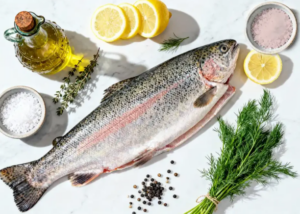
Not all trout tastes the same. Species, habitat, and farming methods all influence flavor.
Rainbow Trout: Mild, Delicate, and Versatile
Rainbow trout is the most widely available variety, especially in supermarkets and restaurants. Its flavor is mild and slightly sweet, with a tender texture that flakes easily.
The flesh ranges from pale pink to orange, thanks to natural astaxanthin from feed or diet. Rainbow trout is often described as the “chicken of the sea” for its approachable taste, making it ideal for first-time fish eaters.
Brown and Brook Trout: Earthier, More Robust Profiles
Brown trout and brook trout, often wild-caught, have more pronounced flavors. Brown trout offers a richer, nuttier taste with subtle earthy notes from its diet of insects and smaller fish.
Brook trout, smaller and often found in cold mountain streams, has delicate, sweet flesh with a clean, crisp finish. These varieties appeal to adventurous eaters who enjoy nuanced, terroir-driven flavors.
Wild vs Farmed: How Source Affects Taste
| Factor | Wild Trout | Farmed Trout |
|---|---|---|
| Flavor intensity | More robust, earthy, complex | Milder, consistent, buttery |
| Texture | Firmer, denser flesh | Tender, flaky, moist |
| Diet influence | Varied: insects, crustaceans, algae | Controlled: formulated feed with astaxanthin |
| Availability | Seasonal, regional, often pricier | Year-round, widely available, budget-friendly |
Trout Flavor Profile: Breaking Down the Taste
Understanding trout’s flavor layers helps you appreciate and prepare it better.
Primary Notes: Mild, Nutty, and Slightly Sweet
Trout’s dominant flavor is mild and approachable. Many describe it as:
- Mild: Not overpowering or “fishy” when fresh; ideal for those new to seafood
- Nutty: Subtle almond or hazelnut undertones, especially in pan-seared preparations
- Slightly sweet: Natural sweetness that pairs beautifully with citrus, herbs, and light sauces
Secondary Notes: Earthy, Buttery, and Clean Finish
Depending on source and preparation, trout may also offer:
| Note | When You’ll Taste It | Enhanced By |
|---|---|---|
| Earthy | Wild trout, brown or brook varieties | Mushrooms, thyme, roasted root vegetables |
| Buttery | Farmed rainbow trout, especially with skin-on preparation | Butter, olive oil, lemon, capers |
| Clean finish | Fresh, properly handled trout of any type | Minimal seasoning, simple preparations |
Texture: Tender, Flaky, and Moist
Trout’s texture is one of its greatest assets:
- Tender: Flesh yields easily to a fork without being mushy
- Flaky: Breaks into delicate layers when cooked properly
- Moist: Natural oils and proper cooking keep it juicy, not dry
- Fine-grained: Smaller muscle fibers create a smooth mouthfeel
Trout vs Other Fish: Taste Comparisons
How does trout stack up against familiar fish? Here is a practical comparison.
Trout vs Salmon: Similarities and Differences
| Aspect | Trout | Salmon |
|---|---|---|
| Flavor intensity | Mild to moderate | Rich, bold, distinctive |
| Fat content | Moderate; moist but not oily | Higher; rich, buttery mouthfeel |
| Best for | Light preparations, subtle seasonings | Bold flavors, smoking, grilling |
| Price point | Generally more affordable | Often premium-priced |
Trout vs Tilapia, Bass, and Cod: How They Stack Up
- Tilapia: Milder and blander than trout; trout has more character and nutty depth
- Bass (striped or sea): Firmer texture and cleaner, brinier flavor; trout is softer and sweeter
- Cod: Very mild, almost neutral flavor with large, meaty flakes; trout offers more nuanced taste
Trout strikes a beautiful balance: more flavor than ultra-mild white fish, but less intensity than rich salmon. It is a versatile middle ground for many palates.
How Cooking Methods Affect Trout Flavor
How you cook trout changes its taste and texture significantly.
Pan-Seared: Crispy Skin, Rich Flavor
Cooking trout skin-side down in a hot pan triggers the Maillard reaction, creating a crispy, golden crust and enhancing nutty, savory notes.
The flesh stays moist inside. This method amplifies trout’s natural richness and is ideal for butter, lemon, and herb pairings.
Grilled: Smoky, Charred Notes
Grilling adds smoky complexity and slight char that complements trout’s mild sweetness. Whole trout grilled over wood or charcoal develops beautiful flavor layers.
Brush with oil to prevent sticking and keep flesh tender.
Baked or Poached: Delicate, Pure Taste
Gentle cooking methods like baking or poaching preserve trout’s delicate flavor and moist texture.
These approaches let the fish’s natural taste shine, making them perfect for light sauces, citrus, or minimalist seasoning.
Is Trout Fishy? Understanding Freshness and Quality
Fresh trout should not taste “fishy.” A strong, ammonia-like, or overly oceanic odor indicates age or improper handling. Signs of fresh trout include:
- Smell: Clean, mild, slightly sweet aroma; no strong or sour notes
- Appearance: Bright, clear eyes (if whole); firm, glossy flesh; vibrant pink-orange color
- Texture: Flesh springs back when pressed; no slimy residue
- Source: Buy from reputable fishmongers or trusted brands; ask about harvest date
Proper storage and quick preparation preserve trout’s clean flavor. If your trout tastes fishy, it is likely past its prime.
Buying and Preparing Trout: Tips for Best Flavor
Maximize trout’s potential with these practical tips:
- Buy fresh or frozen wisely: Fresh trout should be displayed on ice; frozen trout should be individually vacuum-sealed to prevent freezer burn.
- Check the label: Look for “previously frozen” or “fresh never frozen” to set expectations for texture.
- Pat dry before cooking: Removing surface moisture ensures better browning and crispier skin.
- Season simply: Salt, pepper, lemon, and fresh herbs let trout’s natural flavor shine.
- Do not overcook: Trout is done when flesh flakes easily and reaches 145°F internally; overcooking dries it out.
Flavor Pairings: What to Serve with Trout
Trout’s mild flavor pairs beautifully with a wide range of ingredients:
| Category | Pairing Ideas | Why It Works |
|---|---|---|
| Acids | Lemon, lime, white wine vinegar, capers | Brightens mild flavor; cuts richness |
| Herbs | Dill, parsley, thyme, tarragon, chives | Adds freshness without overpowering |
| Fats | Butter, olive oil, avocado, almonds | Enhances mouthfeel; carries flavor |
| Sides | Roasted vegetables, quinoa, wild rice, potatoes | Complements texture; balances meal |
Nutritional Benefits: Why Trout Is Worth Trying
Beyond taste, trout offers impressive nutrition:
- High-quality protein: Approximately 20g per 3oz serving supports muscle health and satiety
- Omega-3 fatty acids: A 3oz serving provides 0.3 to 0.5g of EPA and DHA, supporting heart and brain health
- Vitamins and minerals: Rich in B12, selenium, and phosphorus for energy and metabolism
- Low mercury: Trout is a low-mercury fish, making it a safe choice for regular consumption
- Sustainable options: U.S. farmed rainbow trout is rated a “Best Choice” by Seafood Watch for environmental responsibility
Frequently Asked Questions
▸
Does trout taste like salmon?
Trout and salmon are related and share some similarities, but trout has a milder, more delicate flavor with subtle nutty notes. Salmon is richer, oilier, and more distinctive. If you enjoy salmon but want something lighter, trout is an excellent alternative.
▸
Is trout a strong-tasting fish?
No, trout is generally mild and approachable. Rainbow trout, the most common variety, has a delicate, slightly sweet flavor that is not overpowering. Wild brown or brook trout may have earthier notes, but even these are less intense than strong-tasting fish like mackerel or sardines.
▸
What is the best way to cook trout?
Pan-searing, grilling, and baking are all excellent methods. For beginners, pan-searing skin-side down creates a crispy crust and moist interior. Season simply with salt, pepper, lemon, and herbs. Cook until flesh flakes easily and reaches 145°F internally to avoid drying out.
▸
Does trout taste fishy?
Fresh trout should not taste fishy. A clean, mild, slightly sweet aroma indicates quality. Strong, ammonia-like, or sour smells suggest the fish is past its prime. Always buy from reputable sources, check for freshness signs, and cook promptly for the best flavor.
Final Thoughts: Discovering Trout’s Unique Appeal
So, what does trout taste like? Imagine a fish that is mild enough for beginners yet nuanced enough for seafood enthusiasts.
Trout offers a delicate balance of nutty sweetness, tender flakiness, and clean finish that adapts beautifully to countless preparations.
Whether you enjoy it pan-seared with lemon butter, grilled over open flame, or baked with herbs, trout rewards simple, respectful cooking. Next time you see it on a menu or at the market, give it a try. You might just discover your new favorite fish.
Sources:
● NOAA FishWatch — Rainbow Trout: Farming Practices and Sustainability Ratings
● U.S. Department of Agriculture — FoodData Central: Nutrient Profiles for Trout and Other Fish
● American Heart Association — Omega-3 Fatty Acids and Heart Health Recommendations

Sarah is a lifestyle and celebrity health writer who explores the intersection of fame, wellness, and personal stories. She researches trending topics and public figures to deliver engaging, well-sourced content that answers the questions readers are actually searching for — from celebrity health routines to lifestyle insights.