New articles every week — Expert-backed health & beauty tips
You are pregnant, cravings hit hard, and that salty, savory pull of a Slim Jim feels irresistible. But then a worry creeps in: what happens if you eat slim jims while pregnant?
Is it safe, or could it harm your baby? Food choices during pregnancy can feel overwhelming, especially when convenience snacks clash with safety guidelines.
The truth is nuanced: while an occasional Slim Jim is unlikely to cause harm for most pregnant people, there are important risks to understand and safer ways to satisfy your cravings.
Let me walk you through the facts, the precautions, and practical alternatives so you can make informed choices with confidence.
What Happens If You Eat Slim Jims While Pregnant: The Short Answer
Eating a Slim Jim occasionally during pregnancy is unlikely to cause harm for most healthy individuals, but these processed meat snacks carry potential risks that warrant caution.
Slim Jims contain nitrates, high sodium, and carry a small risk of listeria contamination—concerns that are amplified during pregnancy.
If you choose to eat them, heat to 165°F first, limit portions, and prioritize safer alternatives most of the time. Always discuss food concerns with your healthcare provider for personalized guidance.
Understanding Slim Jims: Ingredients and Processing
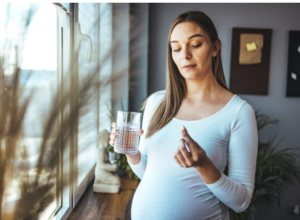
Before weighing risks, it helps to understand what Slim Jims are and how they are made.
What Are Slim Jims Made Of?
Slim Jims are beef and pork snack sticks seasoned with spices, sugar, and preservatives. Key ingredients typically include:
- Beef and pork (mechanically separated)
- Water and corn syrup
- Salt and sugar
- Sodium nitrite (preservative)
- Spices, flavorings, and lactic acid starter culture
- Hydrolyzed soy and corn protein
How Are Slim Jims Processed and Preserved?
Slim Jims are cured, fermented, and dried to extend shelf life. Sodium nitrite prevents bacterial growth and maintains color, while fermentation develops flavor.
However, this processing does not eliminate all pathogens, and improper storage can allow listeria or other bacteria to survive.
Why Pregnancy Changes Food Safety Rules
Pregnancy alters your immune system, making you more susceptible to foodborne illnesses. What might cause mild stomach upset in a non-pregnant person can pose serious risks to a developing baby.
This is why guidelines for processed meats, deli meats, and ready-to-eat snacks become more conservative during pregnancy.
Potential Risks of Eating Slim Jims During Pregnancy
Understanding the specific concerns helps you make balanced decisions.
Listeria Risk: What Pregnant People Need to Know
Listeria monocytogenes is a bacteria that can contaminate processed meats, even when sealed. Pregnancy increases susceptibility to listeriosis, which can cause:
| Potential Outcome | Why It Matters in Pregnancy |
|---|---|
| Miscarriage or stillbirth | Listeria can cross the placenta and infect the fetus |
| Preterm labor | Infection can trigger early contractions or delivery |
| Newborn infection | Babies born to infected mothers may face serious illness |
While the absolute risk from a single Slim Jim is low, the CDC recommends pregnant people avoid or thoroughly heat processed meats to 165°F to eliminate potential listeria.
Nitrates and Nitrites: Understanding the Concerns
Sodium nitrite preserves color and prevents botulism in processed meats. However, when exposed to high heat or stomach acid, nitrates can form compounds called nitrosamines, which have been linked to health concerns in observational studies.
While occasional consumption is unlikely to cause harm, limiting processed meats during pregnancy is a prudent precaution.
High Sodium Content and Pregnancy Health
One Slim Jim stick contains approximately 300 to 400mg of sodium. Pregnancy guidelines recommend limiting sodium to support healthy blood pressure and reduce swelling risk. Excess sodium can contribute to:
- Elevated blood pressure or worsening of pregnancy-related hypertension
- Increased fluid retention and uncomfortable swelling
- Strain on kidneys, which already work harder during pregnancy
Other Considerations: Fat, Additives, and Allergens
Slim Jims are high in saturated fat and contain additives like hydrolyzed proteins and flavor enhancers.
While not inherently dangerous, these ingredients offer little nutritional value during a time when nutrient density matters most. Additionally, Slim Jims contain soy and may be processed in facilities with other allergens.
When Might Slim Jims Be Acceptable During Pregnancy?
Context matters. For some pregnant people, occasional Slim Jim consumption may be reasonable with precautions.
If Heated to Safe Temperatures
Heating Slim Jims to an internal temperature of 165°F kills potential listeria. You can:
- Microwave for 15 to 30 seconds until steaming hot
- Pan-sear briefly in a skillet
- Add to cooked dishes like scrambled eggs or pasta
Use a food thermometer to verify temperature if possible.
If Consumed Occasionally in Small Portions
Having one Slim Jim occasionally as a treat is different from making them a daily snack. Moderation reduces cumulative exposure to sodium, nitrates, and preservatives.
If You Have No High-Risk Health Conditions
If you have gestational diabetes, hypertension, or a compromised immune system, stricter food precautions are warranted. Discuss your specific situation with your healthcare provider.
Safe Snack Alternatives for Pregnancy Cravings
Satisfy salty, savory, or crunchy cravings with safer, nutrient-rich options.
Protein-Rich Options That Satisfy Salty Cravings
| Alternative | Why It Works | Pregnancy Benefit |
|---|---|---|
| Roasted chickpeas | Crunchy, salty, high in protein and fiber | Supports digestion and steady energy |
| Cheese sticks (pasteurized) | Savory, portable, calcium-rich | Supports baby’s bone development |
| Hard-boiled eggs | Protein-packed, satisfying, easy to prep | Provides choline for baby’s brain development |
| Trail mix (unsalted nuts + seeds) | Crunchy, customizable, nutrient-dense | Healthy fats support fetal brain growth |
Crunchy, Portable Snacks for On-the-Go Moms
- Whole grain crackers with hummus or nut butter
- Apple slices with a sprinkle of cinnamon and sea salt
- Edamame (steamed, lightly salted)
- Seaweed snacks (low sodium varieties)
- Homemade beef or turkey jerky (made from fully cooked meat, no nitrates)
Homemade Alternatives You Can Control
Make your own savory snacks to control ingredients:
- Baked veggie chips: Slice zucchini or sweet potato thinly, toss with olive oil and salt, bake until crisp
- Spiced nuts: Toss almonds or walnuts with paprika, garlic powder, and a pinch of salt; roast briefly
- Mini frittatas: Whisk eggs with veggies and cheese, bake in muffin tins for portable protein
How to Read Labels for Pregnancy-Safe Snacks
Empower yourself with label-reading skills:
- Check for pasteurization: Ensure dairy or juice products are pasteurized to avoid listeria
- Scan sodium content: Aim for snacks with less than 200mg sodium per serving when possible
- Look for minimal additives: Shorter ingredient lists often mean fewer preservatives
- Avoid “uncured” claims without verification: “Uncured” meats may still contain natural nitrates from celery powder
- Verify protein sources: Choose snacks with recognizable, whole-food protein sources
Talking to Your Doctor About Food Choices
Your healthcare provider is your best resource for personalized advice. Prepare for the conversation:
- Bring a list of snacks you enjoy or crave
- Ask specifically about processed meats, sodium limits, and safe alternatives
- Discuss your health history: gestational diabetes, hypertension, or immune concerns may warrant stricter guidelines
- Request written resources or reputable websites for ongoing reference
Most providers appreciate proactive questions and can help you balance cravings with safety.
Managing Cravings Without Compromising Safety
Cravings are normal in pregnancy. Try these strategies:
- Identify the craving trigger: Is it salt, crunch, protein, or convenience? Match the need with a safer alternative.
- Practice the 80/20 rule: Aim for nutrient-dense choices 80% of the time; allow flexibility for occasional treats.
- Prep ahead: Keep safe snacks visible and accessible to reduce impulse choices.
- Stay hydrated: Sometimes thirst mimics hunger or cravings; drink water first.
- Be kind to yourself: One less-than-ideal snack will not define your pregnancy. Focus on overall patterns, not perfection.
Frequently Asked Questions
▸
Is it safe to eat Slim Jims while pregnant?
Occasional consumption of Slim Jims during pregnancy is unlikely to cause harm for most healthy individuals, but they carry potential risks like listeria, high sodium, and nitrates. If you choose to eat them, heat to 165°F first, limit portions, and prioritize safer snack alternatives most of the time. Always consult your healthcare provider for personalized guidance.
▸
Can Slim Jims cause listeria in pregnancy?
Slim Jims, like other processed meats, carry a small risk of listeria contamination. Pregnancy increases susceptibility to listeriosis, which can cause serious complications. The CDC recommends pregnant people avoid or thoroughly heat processed meats to 165°F to eliminate potential bacteria.
▸
What are the risks of nitrates during pregnancy?
Nitrates and nitrites, used as preservatives in processed meats like Slim Jims, can form compounds called nitrosamines under certain conditions. While occasional consumption is unlikely to cause harm, limiting processed meats during pregnancy is a prudent precaution. Focus on whole-food protein sources when possible.
▸
What are safe alternatives to Slim Jims while pregnant?
Safer snack alternatives include roasted chickpeas, pasteurized cheese sticks, hard-boiled eggs, trail mix with unsalted nuts, whole grain crackers with hummus, or homemade beef jerky made without nitrates. These options satisfy salty or crunchy cravings while providing nutrients that support a healthy pregnancy.
Final Thoughts: Nourishing You and Your Baby
Asking what happens if you eat slim jims while pregnant shows you are thinking critically about your choices—and that is a great start.
While an occasional Slim Jim, heated properly and eaten in moderation, is unlikely to cause harm for most pregnant people, understanding the risks empowers you to make informed decisions.
Prioritize nutrient-dense, pregnancy-safe snacks most of the time, keep communication open with your healthcare provider, and trust yourself to balance cravings with care.
You are nourishing not just your body, but your baby’s future. That deserves both wisdom and grace.
Sources:
● Centers for Disease Control and Prevention — Listeria and Pregnancy: Food Safety Guidelines
● American College of Obstetricians and Gynecologists — Nutrition During Pregnancy Recommendations
● U.S. Food and Drug Administration — Food Safety for Pregnant Women and Processed Meat Guidance