New articles every week — Expert-backed health & beauty tips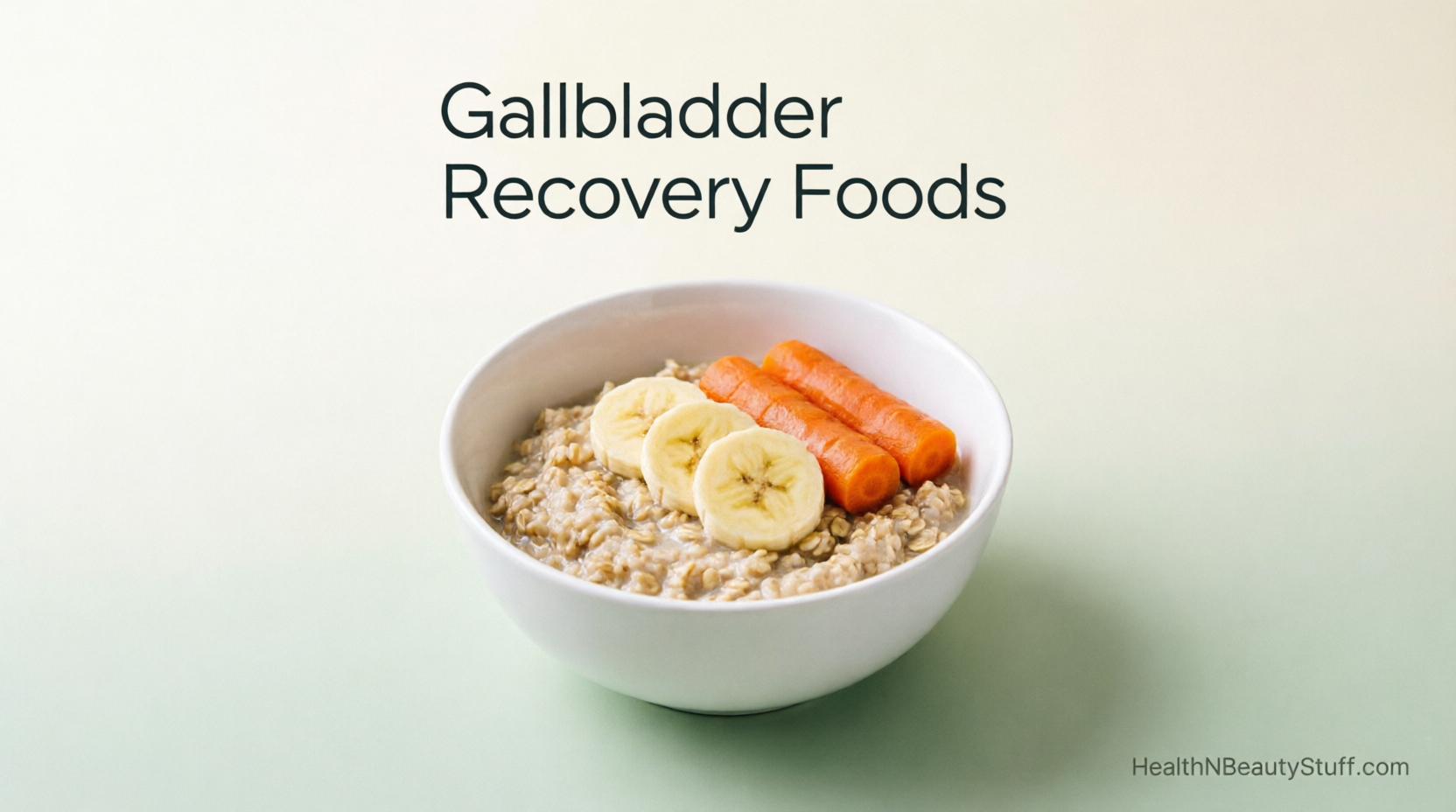
Every year, over 1.2 million gallbladder removal surgeries take place in the United States. If you or someone you care about just had a cholecystectomy, you might be wondering: what can I actually eat now?
Without a gallbladder to store bile, your body digests fats differently. This can lead to temporary diarrhea, bloating, or discomfort after meals.
But here’s the hopeful truth: with the right list of foods to eat after gallbladder removal, you can nourish your body, support healing, and gradually return to enjoying meals again.
Let’s walk through a gentle, science-backed plan that meets you where you are in recovery.
How Gallbladder Removal Changes Your Digestion
Your gallbladder’s job was to store and concentrate bile, a fluid your liver makes to break down fats. After surgery, bile flows directly from your liver into your small intestine.
This constant drip means your body handles large amounts of fat less efficiently.
The result? Some people experience loose stools, gas, or cramping, especially after fatty meals. The good news: these symptoms are usually temporary. With smart food choices and a phased approach, most people adjust well within 4 to 6 weeks.
Your 4-Phase Recovery Eating Timeline
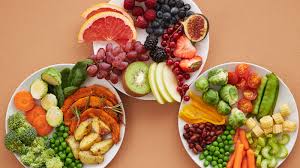
Healing takes time. This step-by-step guide helps you reintroduce foods safely while listening to your body.
Phase 1 (Days 1-3): Clear Liquids Only
Start gently. Your digestive system needs rest right after surgery.
- Water, herbal teas (ginger or peppermint), low-sodium broth
- Electrolyte solutions (like oral rehydration drinks)
- Avoid caffeine, carbonation, and alcohol—they can irritate your gut
Phase 2 (Days 4-7): Bland, Low-Fat Solids
As tolerance improves, add simple, easy-to-digest foods.
- Plain white rice, mashed potatoes (no butter), applesauce, bananas
- Steamed carrots or zucchini, oatmeal made with water, plain toast
- Keep portions small: 1/2 to 1 cup per meal
Phase 3 (Weeks 2-4): Gentle Nutrient Expansion
Now you can add lean proteins and soluble fiber to support healing.
- Lean proteins: Skinless chicken, white fish, tofu, egg whites, lentils
- Soluble fiber: Oats, barley, peeled apples, small portions of lentils
- Low-fat dairy: Skim milk, plain Greek yogurt, low-fat cottage cheese
Phase 4 (Week 5+): Long-Term Maintenance
Most people can enjoy a varied, balanced diet by this stage.
- Gradually reintroduce healthy fats: small amounts of avocado, olive oil, or almonds
- Keep a food-symptom journal to identify personal triggers
- Eat 4-6 smaller meals daily instead of 3 large ones to ease digestion
The Complete Gallbladder-Friendly Food List
Use this scannable guide for grocery shopping and meal planning. All foods listed support healing and minimize digestive upset.
✅ Foods to Embrace
| Category | Examples | Why It Helps |
|---|---|---|
| Lean Proteins | Chicken breast, turkey, cod, tofu, lentils | Supports tissue repair without fat overload |
| Soluble Fiber | Oats, barley, bananas, peeled apples | Absorbs water to firm stools and regulate digestion |
| Low-Fat Dairy | Skim milk, plain Greek yogurt, low-fat cottage cheese | Provides calcium and protein without triggering symptoms |
| Non-Gassy Veggies | Carrots, zucchini, spinach, green beans | Delivers vitamins without causing bloating |
| Healthy Fats (later) | Small portions avocado, olive oil, almonds | Essential fats introduced cautiously after Week 4 |
❌ Foods to Limit or Avoid
| Category | Examples | Why Avoid |
|---|---|---|
| High-Fat/Fried | Bacon, fries, creamy sauces, fatty cuts | Overwhelms bile flow, often triggers diarrhea |
| Spicy Foods | Hot peppers, curry, hot sauce | Can irritate a sensitive post-op digestive tract |
| Gas-Producers | Broccoli, cabbage, beans (early phase) | May worsen bloating during initial healing |
| Caffeine/Alcohol | Coffee, energy drinks, wine | Stimulates intestines, may delay healing |
| High-Sugar Items | Soda, pastries, candy | Can worsen diarrhea and lacks healing nutrients |
🌍 Cultural Comfort, Gallbladder-Safe
Healing doesn’t mean giving up your food heritage. Try congee (Asian rice porridge) with shredded chicken, dal (Indian lentil soup) blended smooth, or ceviche (Latin American) made with lean white fish and lime. These globally inspired options provide comfort and nutrition while staying gentle on your digestive system.
Sample 7-Day Meal Plan (Repeat or Adapt)
Use this flexible template to reduce decision fatigue during recovery. All meals are low-fat, easy to prepare, and support healing.
- Breakfast: Oatmeal made with water + sliced banana + cinnamon
- Lunch: Baked chicken breast + steamed carrots + 1/2 cup white rice
- Dinner: Baked cod + mashed potatoes (no butter) + green beans
- Snacks: Applesauce cup, plain low-fat yogurt, rice cakes
Prep tip: Batch-cook grains and proteins on Day 1. Portion into containers for easy reheating. Keep frozen fruit on hand for quick smoothies (use water or skim milk, no added sugar).
Managing Common Post-Surgery Symptoms
Some digestive changes are normal as your body adjusts. Here’s how to respond with confidence.
Diarrhea
- Increase soluble fiber: oats, bananas, applesauce help firm stools
- Stay hydrated: sip water or oral rehydration solutions throughout the day
- Eat small, frequent meals to avoid overwhelming your system
Bloating or Gas
- Avoid carbonated drinks and chewing gum
- Eat slowly and chew thoroughly to reduce swallowed air
- Track potential triggers in a simple food journal
Nutrient Concerns
Because fat absorption can be less efficient after surgery, your body may need extra support with fat-soluble vitamins (A, D, E, K).
Talk to your healthcare provider about whether testing or supplementation is right for you. In the meantime, focus on nutrient-dense, low-fat whole foods.
Frequently Asked Questions
Quick answers to help you recover with confidence
What can I eat immediately after gallbladder surgery?
+
How long until I can eat normally after gallbladder removal?
+
Can I eat eggs after gallbladder surgery?
+
Why do I have diarrhea after gallbladder removal?
+
Is oatmeal good after gallbladder surgery?
+
Can I eat avocado after gallbladder surgery?
+
What if I accidentally eat something fatty?
+
Still have questions about your recovery?
Always consult your surgeon or a registered dietitian for personalized guidance.
When to Contact Your Healthcare Provider
While mild digestive changes are common, certain symptoms need professional attention. Call your doctor if you experience:
- Diarrhea lasting more than 3 days despite dietary adjustments
- Yellowing of skin or eyes (jaundice)
- Severe or worsening abdominal pain
- Fever, chills, or signs of infection
- Persistent nausea or vomiting
About 5 to 30 percent of people experience ongoing symptoms after gallbladder removal, a condition sometimes called post-cholecystectomy syndrome. If symptoms persist beyond 6 weeks, ask your provider about evaluation and management options.
Recovering from gallbladder surgery is a journey of gentle adjustment.
By following this list of foods to eat after gallbladder removal, honoring your body’s signals, and progressing at your own pace, you can support healing and rediscover the joy of eating.
Keep this guide handy, prep a few simple meals ahead of time, and be patient with yourself. Your digestive system is adaptable, and with smart choices, you’ll feel like yourself again soon.
Sources:
Medical News Today — https://www.medicalnewstoday.com
Cleveland Clinic — https://my.clevelandclinic.org
Verywell Health — https://www.verywellhealth.com