New articles every week — Expert-backed health & beauty tips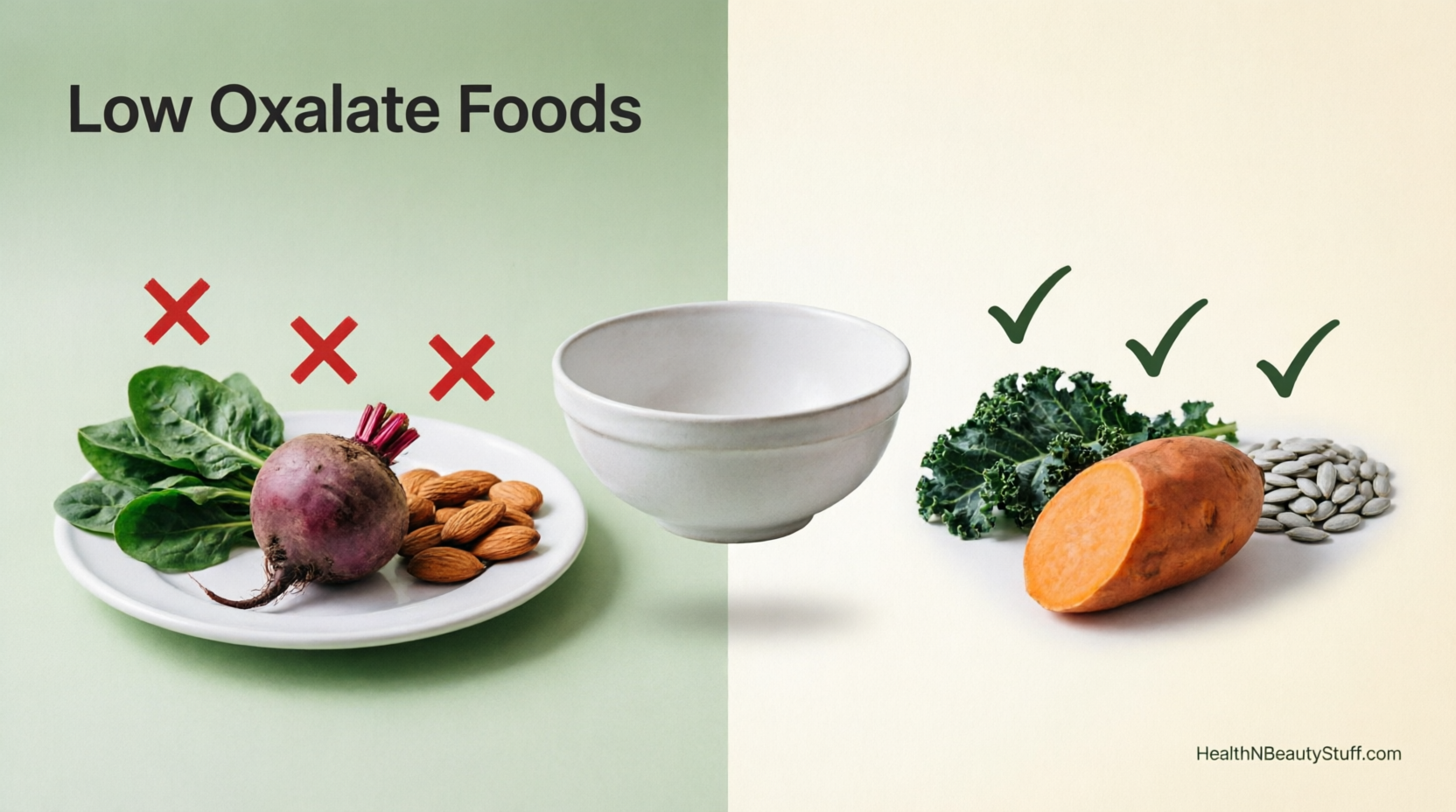
If you’ve ever passed a kidney stone, you know the pain is unlike anything else. And here’s a fact that might surprise you: about 80% of kidney stones are made of calcium oxalate.
That means for millions of people, what you eat directly affects your risk. If you’re searching for a clear, trustworthy low oxalate food list, you’re in the right place.
This guide gives you exactly what you need: categorized foods with exact oxalate amounts, simple cooking tips to reduce oxalates, and a printable plan you can use today. Let’s take the guesswork out of eating for kidney health.
What Are Oxalates and Why Do They Matter?
Oxalates (also called oxalic acid) are natural compounds found in many plants. Your body also makes them on its own. For most people, oxalates pass through the digestive system without issue.
But for those prone to calcium oxalate kidney stones, high-oxalate foods can contribute to painful crystal formation in the kidneys.
Who might benefit from a low oxalate diet? People with a history of kidney stones, those diagnosed with hyperoxaluria, or individuals managing certain metabolic conditions.
If any of these apply to you, talk to your healthcare provider before making dietary changes. This guide is educational, not medical advice.
Understanding Oxalate Levels: How Much Is Too Much?

Not all foods contain the same amount of oxalates. Experts generally categorize them like this:
- Very high: More than 100mg per serving
- High: 26 to 99mg per serving
- Moderate: 10 to 25mg per serving
- Low: 0 to 9mg per serving
For kidney stone prevention, most healthcare providers recommend staying under 50mg of oxalates per day if you’re high-risk, or under 100mg for moderate risk. The average person consumes 200-300mg daily without issues. Context matters.
The Complete Low Oxalate Food List (Printable)
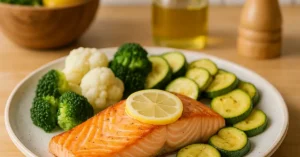
Use this table to build meals that support kidney health. All values are approximate oxalate content per typical serving.
✅ Low-Oxalate Foods to Enjoy (0-9mg per serving)
| Category | Food Examples | Oxalate (approx) | Why It Works |
|---|---|---|---|
| Fruits | Bananas, blueberries, blackberries, cherries, apples, melons, grapes, pineapple, peaches | 0-4mg per serving | Naturally low in oxalates; rich in antioxidants |
| Vegetables | Broccoli (2mg/cup), cauliflower, cabbage, mushrooms, onions, zucchini, kale (2mg/cup), bok choy (1mg/cup), romaine lettuce | 0-4mg per cup raw | Nutrient-dense without the oxalate load |
| Grains & Starches | White rice, corn flour, oat bran, white bread, barley, flour tortillas | 0-5mg per serving | Provides energy without triggering stone formation |
| Proteins | Eggs (0mg), chicken, turkey, beef, pork, fish, shellfish (all unprocessed) | 0mg | Animal proteins contain no oxalates |
| Dairy | Milk, yogurt, cheese, butter | 0-2mg per serving | Provides calcium to bind oxalates in the gut |
| Nuts & Seeds | Pumpkin seeds (<2mg/oz), sunflower seeds (<2mg/oz), cashews, peanuts, walnuts (~30mg/oz) | 2-30mg per ounce | Lower-oxalate options for healthy fats and protein |
⚠️ Moderate-Oxalate Foods (10-25mg per serving)
Enjoy these in small portions (½ cup or less) and pair with calcium-rich foods.
- Tomatoes and tomato sauce
- Avocado, lentils, olives
- Peanut butter, pecans, pistachios
- Pomegranate, red kidney beans, squash
- Tahini, sunflower seeds (larger portions)
❌ High-Oxalate Foods to Avoid (>26mg per serving)
| Food | Oxalate Content | Safer Swap |
|---|---|---|
| Spinach (cooked) | 755mg per ½ cup | Kale or romaine lettuce |
| Beets | 152mg per cup | Carrots or zucchini |
| Almonds | 122mg per ounce | Pumpkin seeds or walnuts |
| Potatoes (baked) | 97mg per medium | Sweet potatoes (28mg per cup) |
| Soy products | 235mg per 3oz tofu | Eggs, chicken, or fish |
| Chocolate & tea | Variable, often high | Coffee or low-oxalate herbal teas |
🌍 Global Flavors, Low-Oxalate Style
You don’t have to give up cultural favorites. Try grilled fish with lemon and herbs (Mediterranean), chicken curry with cauliflower rice using low-oxalate spices (Indian), or beef stir-fry with bok choy and white rice (Asian). These dishes deliver big flavor while staying within your low oxalate food list guidelines.
How to Reduce Oxalate Content Through Cooking
Smart preparation can lower the oxalate load in your meals.
- Boiling: Reduces oxalates by 30-90% as they leach into the cooking water. Always discard the water.
- Soaking: Soak beans, legumes, and grains for 4-12 hours; drain and rinse before cooking.
- Steaming: Less effective than boiling but still helpful for some vegetables.
- Peeling: Oxalates often concentrate in skins; peeling potatoes or cucumbers can help.
Key tip: Never reuse cooking or soaking water for soups or sauces. That water contains the oxalates you just removed.
The Calcium Connection: Why You Need Both
Here’s a counterintuitive truth: eating calcium with your meals can actually reduce kidney stone risk. How? Calcium binds to oxalate in your digestive tract, preventing it from being absorbed and reaching your kidneys.
- Aim for 1,000-1,200mg of calcium daily from food
- Best sources: Dairy products, calcium-fortified foods, sardines, low-oxalate greens like kale and bok choy
- Timing matters: Eat calcium-rich foods at the same meal as any moderate-oxalate foods
Research shows that people who meet their calcium needs have lower stone risk, even if they eat some oxalates. Restricting calcium can backfire.
7-Day Low Oxalate Meal Plan (Under 50mg Daily)
Use this simple template to stay within safe oxalate limits while enjoying varied, satisfying meals.
- Breakfast: Scrambled eggs with kale, white toast, blueberries (total ~8mg oxalate)
- Lunch: Grilled chicken salad with romaine, cucumber, olive oil dressing, and a side of yogurt (total ~12mg)
- Dinner: Baked white fish, white rice, steamed broccoli with lemon (total ~15mg)
- Snacks: Apple slices with cheese, pumpkin seeds, or a banana (each ~2-4mg)
Prep tip: Cook grains and proteins in batches. Wash and chop low-oxalate veggies ahead of time. Keep your printable low oxalate food list on the fridge for quick reference.
Essential Tips for Success on a Low Oxalate Diet
- Hydrate aggressively: Drink 2.5-3 liters of water daily to help flush oxalates
- Pair calcium with meals: Always consume calcium-rich foods with any moderate-oxalate items
- Read labels carefully: Watch for hidden oxalates in processed foods and vitamin C supplements (high doses convert to oxalate)
- Limit sodium: High salt intake increases calcium in urine, raising stone risk
- Avoid high-dose vitamin C: More than 1,000mg daily can increase oxalate production
- Cook smart: Boil moderate-oxalate vegetables and discard the water
- Track your intake: Use a food diary to stay under your daily oxalate limit
- Dining out: Request vegetables steamed or grilled; avoid spinach, potatoes, and beets
Potential Downsides & How to Avoid Them
- Nutrient gaps: Many high-oxalate foods are nutrient-dense (spinach = iron, magnesium; beans = fiber). Replace them with equally nutritious low-oxalate options like kale, sweet potatoes, or kidney beans in moderation.
- Vegetarian/vegan challenges: Plant proteins like tofu and many nuts are high in oxalates. Focus on eggs, dairy (if tolerated), and low-oxalate legumes.
- Oxalate dumping: Reducing oxalates too quickly can cause temporary fatigue or soreness. Ease into the diet over 2-4 weeks.
Frequently Asked Questions
Clear answers for your kidney health journey
What foods are highest in oxalates?
+
How much oxalate is safe per day?
+
Can you flush oxalates from your body?
+
Are eggs high in oxalates?
+
How long does it take to see results on a low-oxalate diet?
+
Is coffee high in oxalates?
+
Can I eat bananas on a low-oxalate diet?
+
Can children follow a low-oxalate diet?
+
Ready to take control of your kidney health?
Download your free printable low oxalate food list + 7-day meal plan below.
When to See a Doctor
A low oxalate diet is a powerful tool, but it’s not a substitute for medical care. Contact your healthcare provider if you experience:
- Recurring kidney stones despite dietary changes
- Severe pain, blood in urine, or difficulty passing stones
- Need for 24-hour urine testing to measure oxalate excretion
- Questions about balancing nutrition while restricting oxalates
Working with a registered dietitian who specializes in kidney health can help you create a personalized, sustainable eating plan.
Managing oxalates doesn’t mean giving up flavor, variety, or joy in eating. With this low oxalate food list as your guide, you can make informed choices that support your kidney health without feeling restricted.
Remember: small, consistent steps lead to lasting change. Stay hydrated, pair calcium wisely, and be patient with your body. You’re taking a powerful step toward feeling your best.
Sources:
Healthline — https://www.healthline.com
WebMD — https://www.webmd.com
National Kidney Foundation — https://www.kidney.org