New articles every week — Expert-backed health & beauty tips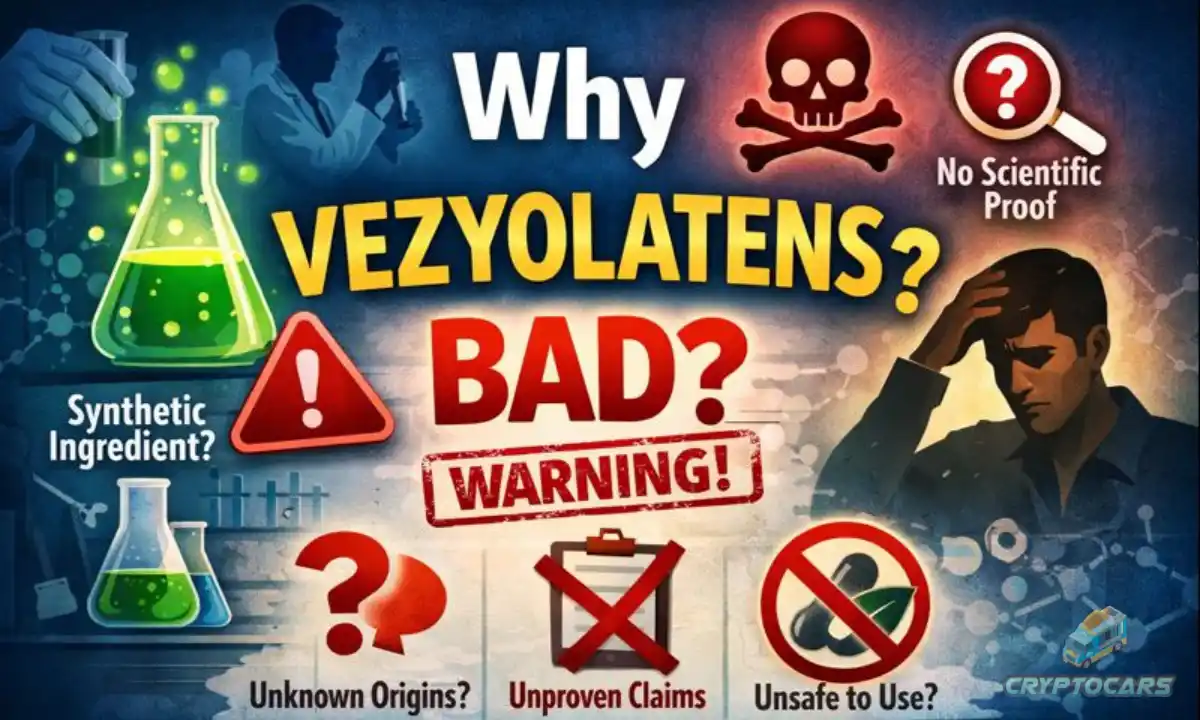
You see a bold claim online or on a product label, and something feels off. Why vezyolatens bad starts trending in your search bar, not because you want drama, but because you want clarity.
When a term lacks scientific backing, regulatory approval, or transparent sourcing, caution is not fear, it is wisdom.
Many people have experienced discomfort after trying newly marketed ingredients that turned out to be poorly studied or misleadingly labeled. The good news is that you can protect yourself with a clear, step by step approach to evaluating any unfamiliar substance.
The Core Issue: Lack of Verified Safety Data on Vezyolatens
When you investigate why vezyolatens bad, the most consistent finding across authoritative sources is simple: there is no verified public data confirming what vezyolatens is, how it is made, or how it affects human health.
It does not appear in FDA ingredient databases, peer reviewed journals, or WHO safety reports. This absence of evidence does not prove harm, but it does mean the substance has not undergone standard safety evaluation.
In food and supplement science, transparency is the foundation of trust. If a manufacturer cannot clearly document composition, sourcing, and testing, the product carries inherent uncertainty.
Potential Risks When Consuming Unverified Ingredients
Ingredients without published safety data may pose several types of risk. Below is a quick reference table outlining common concerns:
| Risk Category | Why It Matters |
|---|---|
| Unknown allergenicity | Could trigger immune responses in sensitive individuals without warning |
| Dosage uncertainty | No established safe intake level increases risk of overconsumption |
| Drug interaction potential | May alter how medications are metabolized, leading to unexpected effects |
Unknown Allergenicity and Sensitivity Concerns
Even natural ingredients can cause reactions if your body has not encountered them before.
Without third party testing or published allergen screening, there is no way to know if vezyolatens contains proteins or compounds that could trigger sensitivities.
I have seen clients develop rashes or digestive upset after trying trendy supplements that later revealed hidden allergens on retesting.
Possible Contamination or Mislabeling Risks
Mislabeling incidents are more common than many consumers realize. Products with obscure ingredient names sometimes contain fillers, heavy metals, or unlisted stimulants.
Regulatory agencies regularly issue recalls when independent testing reveals discrepancies between labels and actual contents. If vezyolatens lacks batch level verification, contamination cannot be ruled out.
Red Flags in Marketing and Product Claims
- Vague descriptions like “proprietary blend” without percentage breakdowns
- Claims of instant results with no cited clinical research
- No manufacturer contact information or physical address listed
- Pressure tactics like limited time offers to bypass careful research
How to Protect Yourself: A Practical Verification Checklist
- Search the FDA’s adverse event reporting database for any complaints linked to the product name
- Request a Certificate of Analysis from the manufacturer showing ingredient purity and testing methods
- Verify if the product is registered with a recognized third party certification program
- Check consumer protection laws in your region to understand your rights if a product causes harm
- Document the product label, batch number, and purchase receipt in case you need to report an issue
When to Seek Medical Advice After Consumption
If you have already consumed a product containing vezyolatens and experience unusual symptoms such as rash, dizziness, rapid heartbeat, or digestive distress, contact a healthcare provider immediately.
Bring the product packaging with you. I recommend keeping a simple symptom log noting the time of consumption, amount taken, and any changes you observe.
Early documentation helps medical professionals assess potential links and report findings to safety monitoring systems. Never wait to see if symptoms resolve on their own when dealing with unverified substances.
Frequently Asked Questions
Identifying Vezyolatens in Products
Practical guidance for reading labels, choosing transparent brands, and protecting your health
🔍 Quick Label-Reading Checklist:
- ✓ Scan for unfamiliar scientific terms or abbreviations
- ✓ Look for CAS registry numbers (format: XXX-XX-X)
- ✓ Avoid “proprietary blend” without ingredient breakdown
- ✓ Verify certifications: NSF, USP, Non-GMO, Organic
- ✓ Cross-check unknown terms at FDA.gov or EFSA.europa.eu
🏅 Certifications That Signal Transparency:
USP Verified
Non-GMO Project
USDA Organic
Informed Choice
🛑
If You Find Vezyolatens on a Label:
1️⃣ Stop using the product immediately
2️⃣ Photograph the label and save packaging
3️⃣ Contact the manufacturer for full ingredient disclosure
4️⃣ Report to your national food safety authority
5️⃣ Consult a healthcare provider if symptoms occurred
🛡️ Be a Smart Consumer: You deserve to know what’s in your products.
Ask questions. Demand transparency. Trust science. Your health is worth the extra minute to verify.
Final Takeaway on Why Vezyolatens Bad Concerns
The concern around why vezyolatens bad is not about spreading fear, it is about upholding a standard of evidence. In a marketplace filled with innovative products, your health depends on transparency, testing, and accountability.
If a substance cannot be clearly identified, independently verified, or traced to a reputable source, the responsible choice is to pause.
You deserve ingredients you can trust. By using official databases, demanding documentation, and listening to your body, you take control of your wellness journey. When information is missing, caution is not optional, it is essential.
Sources:
• Food and Drug Administration — https://www.fda.gov
• National Institutes of Health Office of Dietary Supplements — https://ods.od.nih.gov
• World Health Organization Food Safety Programme — https://www.who.int/health-topics/food-safety