New articles every week — Expert-backed health & beauty tips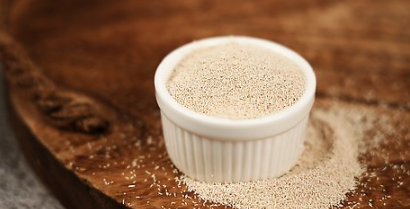
Have you ever mixed your dough, waited hours for it to rise, and watched… nothing happen? That sinking feeling when your bread stays flat isn’t just frustrating it’s often a sign your yeast wasn’t alive to begin with.
Whether you’re baking your first loaf or refining your sourdough skills, knowing the difference between bloomed yeast and dead yeast saves time, ingredients, and disappointment. Let’s break down exactly what to look for, so your next bake rises beautifully.
What Does It Mean to Bloom Yeast?
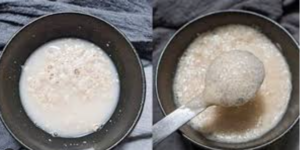
Blooming yeast (also called proofing) means mixing active dry yeast with warm water and a pinch of sugar to wake it up before adding it to your recipe .
This step confirms the yeast is alive and ready to ferment. Within 5–10 minutes, active yeast will produce tiny bubbles and a creamy foam on the surface—a clear sign it’s working.
Blooming isn’t always required (instant yeast skips this step), but it’s a smart safety check for beginners or when using yeast near its expiration date.
Signs of Active (Bloomed) Yeast
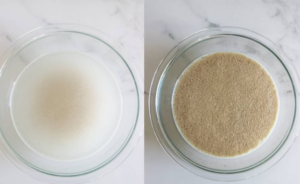
When yeast is alive and happy, it gives you clear signals:
- Foamy surface: A light, creamy layer of bubbles forms on top of the water
- Yeasty aroma: A pleasant, slightly sweet, beer-like smell develops
- Timing: Foam appears within 5–10 minutes in properly warm water
- Volume increase: The mixture may expand slightly as gas is produced
If you see these signs, your yeast is ready to lift your dough to new heights.
How to Spot Dead Yeast
Dead yeast won’t foam, smell active, or change texture. Warning signs include:
- No foam or bubbles after 10–15 minutes in warm water
- Flat, watery appearance with yeast granules settled at the bottom
- No distinctive aroma or a stale, off smell
- Expired packaging or yeast stored in heat/humidity
If your yeast shows none of the active signs, it’s time to start fresh—baking with dead yeast won’t work.
Bloomed Yeast vs Dead Yeast: Key Differences
Three quick checks help you tell them apart.
Appearance and Foam Formation
Bloomed yeast creates a light, frothy cap of bubbles that looks like the head on a fresh beer. Dead yeast stays flat, with granules sinking or floating without activity. The foam is your visual green light.
Smell and Aroma Cues
Active yeast smells pleasantly yeasty—like fresh bread or mild beer. Dead yeast has little to no scent, or may smell stale or sour. Trust your nose: if it doesn’t smell alive, it probably isn’t.
Timing: What to Expect and When
In water between 105–115°F, active yeast blooms within 5–10 minutes. If you’ve waited 15 minutes with no change, the yeast is likely dead. Don’t wait hours hoping it will wake up—it won’t.
Water Temperature: The Make-or-Break Factor
Temperature is the most common reason yeast fails. Here’s the sweet spot:
- Too cold (below 95°F): Yeast activates slowly or not at all
- Ideal range (105–115°F): Yeast wakes up quickly and blooms reliably
- Too hot (above 140°F): Heat kills yeast instantly
No thermometer? Use the wrist test: water should feel warm but not hot—like a baby’s bottle. If it stings, it’s too hot.
Instant Yeast vs Active Dry: Blooming Rules
Not all yeast needs blooming. Here’s how to choose:
- Active dry yeast: Larger granules with a protective coating; blooming is recommended to ensure activation
- Instant yeast: Finely milled and fast-acting; can be mixed directly into dry ingredients, though blooming won’t hurt
- Quick-rise yeast: A type of instant yeast formulated for faster fermentation; blooming optional
When in doubt, bloom it. It only takes 10 minutes and guarantees your yeast is ready.
Troubleshooting and Salvage Tips
If your yeast won’t bloom, try these fixes:
- Check water temperature: Too hot or cold is the #1 culprit
- Add a pinch more sugar: Yeast needs food to activate
- Test freshness: Mix 1 tsp yeast + ¼ cup warm water + pinch sugar; wait 10 minutes
- Start over if needed: If yeast is dead, discard and use fresh—don’t risk a failed bake
Unfortunately, you can’t revive dead yeast. But catching it early saves your other ingredients.
Storing Yeast for Maximum Freshness
Proper storage extends yeast life significantly:
- Unopened packages: Store in a cool, dry pantry for 1–2 years
- Opened packages: Transfer to an airtight container; refrigerate for 4–6 months or freeze for up to 1 year
- Avoid moisture: Keep yeast away from steam, sinks, or humid cabinets
- Label with date: Write the opening date on the container to track freshness
Frozen yeast doesn’t need to thaw before use—just add directly to your warm blooming liquid.
Bloomed Yeast vs Dead Yeast: Your Questions Answered
Master the fundamentals of yeast activation for perfect bread, pizza, and baked goods every time.
🍞
Yeast Activation: Quick Reference
105–115°F (40–46°C)
5–10 minutes for foam
Creamy foam + yeasty aroma
Fridge: 4–6 mo • Freezer: 1 yr
Always bloom active dry yeast first!
💡
Pro Tip for Perfect Rising
Create the perfect proofing environment! Place your dough in a lightly oiled bowl, cover with a damp cloth, and let it rise in a warm, draft-free spot (like an off oven with the light on). For extra insurance, place a bowl of hot water nearby to maintain humidity.
Sources:
● King Arthur Baking — https://www.kingarthurbaking.com
● The Spruce Eats — https://www.thespruceeats.com
● Serious Eats — https://www.seriouseats.com