New articles every week — Expert-backed health & beauty tips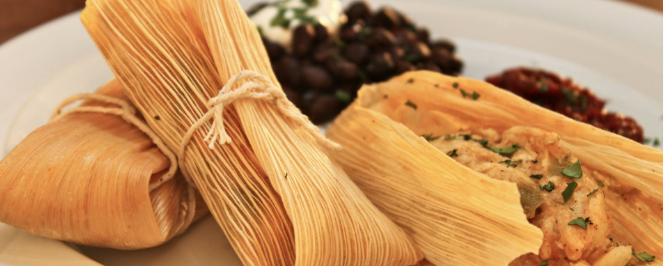
Have you ever scanned a restaurant menu, seen both tamal and tamale, and wondered: are these two different dishes—or just two ways to say the same thing? You’re not alone.
This tiny spelling difference causes confusion for food lovers, home cooks, and even seasoned travelers. The good news?
The answer is simple, and once you know it, you’ll order, cook, and talk about this beloved dish with confidence. Let’s unwrap the truth so your next bite is as culturally rich as it is delicious.
The Short Answer: Tamal and Tamale Refer to the Same Food
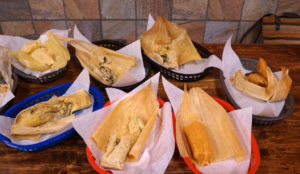
Yes—tamal and tamale describe the exact same traditional Mesoamerican dish: seasoned masa dough filled with meats, cheeses, chiles, or sweets, wrapped in corn husks or banana leaves, and steamed to perfection.
The difference isn’t in the food—it’s in the language. “Tamal” is the original Spanish singular form.
is an English adaptation that emerged as speakers anglicized the plural “tamales.” Think of it like “panini” (Italian plural) vs “panino” (singular): same sandwich, different grammar.
Understanding the Words: Spanish Grammar Basics
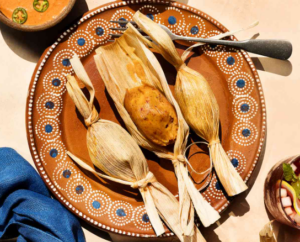
Spanish nouns follow clear singular/plural patterns—and tamales are no exception.
Tamal = Singular in Spanish
In Spanish, tamal refers to one individual unit. If you’re ordering one at a taquería in Mexico City, you’d say: “Un tamal, por favor.”
Tamales = Plural in Spanish
Add “-es” for more than one: tamales. This form is used in both Spanish and English when referring to multiple servings.
Tamale = Anglicized Singular in English
In English, many speakers heard “tamales” (plural) and assumed the singular was “tamale”—a linguistic process called back-formation.
While not technically correct in Spanish, “tamale” is widely accepted in English-language menus, recipes, and casual conversation across the U.S.
Tamal vs Tamale: When to Use Which
Context matters. Here’s how to choose the right term.
In Spanish-Language Contexts
- Use tamal for one: “Quiero un tamal de rajas.”
- Use tamales for many: “Vamos a hacer tamales para la fiesta.”
- Avoid “tamale” in Spanish—it may confuse native speakers
In English-Language Contexts
- Tamale is widely understood as singular: “I’ll have one tamale, please.”
- Tamales remains the standard plural in English too
- Both are acceptable in recipes, blogs, and casual talk
On Menus, Recipes, and Social Media
Many U.S. restaurants use “tamale” on menus for clarity.
Food bloggers often use “tamale” for SEO since it’s a common English search term. When in doubt, match your audience: use “tamal” for authenticity-focused content, “tamale” for broader English-speaking readers.
What Is a Tamal? Origin and Cultural Significance
The tamal dates back over 8,000 years to ancient Mesoamerican civilizations like the Aztec and Maya .
Made from nixtamalized corn masa, it was portable, nutritious, and perfect for travelers, warriors, and ceremonial offerings. Today, tamales remain deeply tied to community and celebration.
In Mexico, families gather for tamaladas—communal tamal-making parties—especially during Christmas, Dia de la Candelaria (February 2), and other holidays. Sharing tamales isn’t just about food; it’s about connection, tradition, and love.
How Tamales Are Made: Masa, Fillings, and Wrappers
Authentic tamales require patience and care—but the result is worth it.
The Dough: Nixtamalized Corn Masa
The foundation is masa, made from corn treated with lime (nixtamalization) to unlock nutrients and create a pliable dough. Many home cooks use masa harina (dry masa flour) mixed with broth and lard or oil for richness.
Common Fillings: Savory and Sweet
- Savory: Shredded chicken or pork in red or green salsa, cheese with jalapeños, rajas (roasted peppers)
- Sweet: Pineapple, strawberry, or raisins with cinnamon sugar—often served for breakfast or dessert
Wrapping: Corn Husks vs Banana Leaves
Corn husks are traditional in northern Mexico and Tex-Mex styles: they’re soaked to soften, then filled and folded.
Banana leaves are common in Oaxaca, Yucatán, and Central America: they impart a subtle herbal aroma and allow for larger tamales. Both are removed before eating—the wrapper is for cooking, not consumption.
Regional Variations Worth Knowing
Tamales change beautifully across regions:
- Northern Mexico/Tex-Mex: Hearty, meat-filled tamales in corn husks, often with red chile sauce
- Oaxaca: Large banana-leaf tamales with complex moles or black bean fillings
- Central America: Tamales colorados (Guatemala) with tomato-based sauce; tamales de elote (sweet corn tamales)
- Southwest U.S.: Fusion styles with local ingredients like green chile or jack cheese
Each variation tells a story of place, history, and family.
Pronunciation and Respectful Usage Tips
Say it with confidence:
- Tamal: tah-MAHL (stress on the second syllable)
- Tamale: tah-MAH-lee (common English pronunciation)
- Tamales: tah-MAH-les
Language is a bridge to culture. Using “tamal” shows respect for Spanish origins; using “tamale” in English contexts is widely accepted. The most important thing? Enjoy the food, honor the tradition, and share the story.
Sources:
● Mexican Please — https://www.mexicanplease.com
● Pati Jinich — https://www.patinjinich.com
● The Spruce Eats — https://www.thespruceeats.com