Ever stood in the produce aisle, staring at a vibrant pink fruit labeled both pitaya and dragon fruit, and wondered: are these two different things? You’re not alone.
The naming confusion is real but the answer is refreshingly simple. Whether you’re blending a smoothie bowl, adding color to a salad, or just curious about exotic fruits, understanding what you’re buying helps you choose with confidence.
Let’s clear up the mystery so your next bite is as joyful as it is delicious.
The Short Answer: Pitaya and Dragon Fruit Are the Same
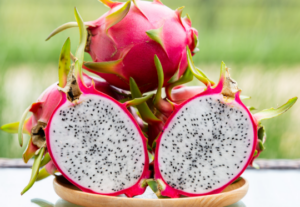
Yes—pitaya and dragon fruit refer to the exact same fruit. “Pitaya” is the traditional Spanish and Mexican name, widely used in Latin America and parts of Asia. “Dragon fruit” is the catchy English marketing name inspired by the fruit’s striking, scale-like skin .
Think of it like “cilantro” vs “coriander”: same plant, different regional labels. No matter what you call it, you’re getting a nutrient-packed, visually stunning tropical treat.
Meet the Fruit: Origin, Plant, and Varieties
This vibrant fruit grows on a climbing cactus in the Hylocereus genus, native to Central and South America but now cultivated across Southeast Asia, Israel, and Australia .
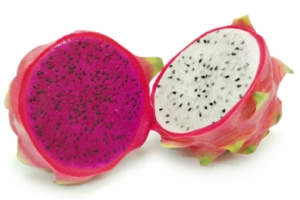
Its dramatic appearance—bright pink or yellow skin with green-tipped scales hides soft, speckled flesh dotted with tiny, edible black seeds.
Three Main Types: White, Red, and Yellow Flesh
- White flesh (pink skin): Most common variety; mild, subtly sweet flavor with a crisp, kiwi-like texture
- Red flesh (pink skin): Sweeter, berry-like taste; vibrant magenta flesh rich in antioxidants
- Yellow skin (white flesh): Rarest type; smallest but sweetest, with tropical notes reminiscent of pineapple
All three are nutritious and delicious—choose based on flavor preference and availability.
Pitaya vs Dragon Fruit: Flavor and Texture Breakdown
Since they’re the same fruit, flavor differences come down to variety, not name.
White Flesh: Mild and Refreshing
The classic pitaya offers a gentle, lightly sweet flavor—sometimes compared to a cross between a pear and a kiwi. Its crisp texture and subtle taste make it versatile for smoothies, salads, or eating fresh.
Red Flesh: Sweeter and Berry-Like
Red-fleshed dragon fruit delivers more pronounced sweetness with hints of raspberry or strawberry. Its deep color comes from betalains, powerful antioxidants also found in beets. This variety shines in vibrant smoothie bowls or desserts.
Yellow Skin: Rarest and Sweetest
Yellow pitaya is the sweetest of the trio, with tropical notes and a softer texture. It’s less common in stores but worth seeking out for a special treat.
Nutrition and Health Benefits
Both pitaya and dragon fruit pack impressive nutrition in a low-calorie package. One cup (about 200g) provides roughly:
- 60–70 calories
- 3–4 grams of fiber for digestive health
- 9 mg of vitamin C to support immunity
- Antioxidants like betalains and carotenoids
- Prebiotic fiber that feeds beneficial gut bacteria
With a low glycemic index (around 40–50), it’s a blood-sugar-friendly choice. The tiny black seeds add a pleasant crunch and provide healthy omega-3 and omega-6 fats.
How to Choose, Cut, and Eat
Picking the perfect fruit is easy with these tips:
- Look for bright, even color: Avoid fruit with many brown spots or dry, shriveled scales
- Give it a gentle squeeze: Ripe fruit yields slightly to pressure, like a ripe avocado
- Check the “wings”: The green-tipped scales should look fresh, not brown or wilted
To prepare: slice in half lengthwise, then scoop out the flesh with a spoon or cube it while still in the skin. Eat fresh, blend into smoothies, or add to fruit salads. The skin is not edible.
Best Recipe Ideas for Pitaya/Dragon Fruit
This versatile fruit works sweet or savory.
Smoothie Bowls and Breakfast Inspo
- Pitaya Power Bowl: Blend frozen dragon fruit with banana, coconut milk, and top with granola, chia seeds, and fresh berries
- Tropical Sunrise Smoothie: Combine white-fleshed pitaya, mango, pineapple, and lime juice for a refreshing morning drink
Salads, Salsas, and Desserts
- Dragon Fruit Salsa: Dice red-fleshed fruit with cucumber, red onion, jalapeño, and lime for a vibrant fish or chicken topping
- Chia Pudding Parfait: Layer dragon fruit cubes with coconut chia pudding and toasted coconut flakes
- Simple Fruit Salad: Mix pitaya with kiwi, mango, and mint for a colorful, no-cook dessert
Buying and Storage Tips
Find pitaya or dragon fruit at well-stocked grocery stores, Asian markets, or specialty produce shops. Store whole fruit at room temperature until ripe, then refrigerate for up to 5 days
Cut fruit keeps 2–3 days in an airtight container. For longer storage, freeze cubes on a baking sheet, then transfer to freezer bags for up to 3 months—perfect for smoothies.
Pitaya vs Dragon Fruit: Your Questions Answered
Discover the vibrant truth about this tropical fruit—from naming to nutrition.
🐉
Dragon Fruit Varieties: Quick Comparison
| Feature | White-Fleshed | Red-Fleshed |
|---|---|---|
| Flavor | Mild, subtly sweet | Sweeter, berry-like notes |
| Texture | Crisp, refreshing | Softer, juicier |
| Color | White flesh, pink skin | Vibrant magenta flesh |
| Antioxidants | Vitamin C, fiber | + betalains (extra antioxidants) |
| Best For | Light snacks, subtle flavor | Smoothies, vibrant presentations |
💡
Pro Tip for Selecting Dragon Fruit
Look for bright, evenly colored skin with slightly yielding flesh! Avoid fruits with brown spots or dry, shriveled scales. Store at room temperature until ripe, then refrigerate for up to 5 days. For the sweetest flavor, let it ripen fully before eating.
Sources:
● Healthline — https://www.healthline.com
● The Spruce Eats — https://www.thespruceeats.com
● WebMD — https://www.webmd.com

Sarah is a lifestyle and celebrity health writer who explores the intersection of fame, wellness, and personal stories. She researches trending topics and public figures to deliver engaging, well-sourced content that answers the questions readers are actually searching for — from celebrity health routines to lifestyle insights.