Have you ever stood in the pickle aisle, staring at two nearly identical yellow peppers, wondering banana pepper vs pepperoncini—which one should go on your sandwich?
You’re not alone. These lookalike peppers cause confusion for home cooks, grocery shoppers, and even restaurant chefs. The good news?
Once you know the subtle but important differences in heat, appearance, and flavor, picking the right one becomes simple. Let’s break it down so you can cook with confidence.
What Is a Banana Pepper?
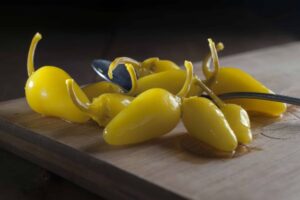
Banana peppers, also called yellow wax peppers or banana chilies, get their name from their long, curved shape and bright yellow color. Originally from Hungary, they start pale green and ripen to vibrant yellow, orange, or red.
Their skin is smooth, waxy, and slightly thick, making them sturdy enough for stuffing or grilling. Flavor-wise, they lean sweet with a very mild kick. Some banana peppers have zero heat at all, while others reach the top of their mild range.
What Is a Pepperoncini?
Pepperoncini peppers hail from Italy and Greece and are sometimes labeled as golden Greek peppers or sweet Italian peppers. They’re smaller than banana peppers, with wrinkly, thin skin and a rounded tip.
While also mild, pepperoncini always carry a hint of heat and a tangy, slightly sour note—especially when pickled in vinegar. You’ll most often find them jarred, ready to add zip to salads, antipasto platters, or sandwiches.
Banana Pepper vs Pepperoncini: Key Differences
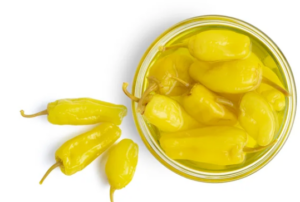
While these peppers share the same plant family—Capsicum annuum—and similar color, three key areas set them apart.
Heat Level Showdown
Both peppers fall on the mild end of the Scoville scale, but there’s a nuance. Banana peppers range from 0 to 500 Scoville Heat Units (SHU), meaning some have no spice whatsoever.
Pepperoncini, however, consistently measure between 100 and 500 SHU, so you’ll always get at least a gentle warmth. If you’re sensitive to spice, banana peppers are the safer pick.
Appearance: Skin, Shape, and Size
At a glance, they look alike. But look closer:
- Banana peppers: Smooth, waxy skin; thicker walls; pointy tip; slightly longer and curvier
- Pepperoncini: Wrinkly, folded skin; thinner walls; rounded end; about an inch shorter on average
This texture difference matters when cooking—banana peppers hold their shape better for stuffing, while pepperoncini soften nicely in pickles or cooked dishes.
Flavor: Sweet vs Tangy
Both offer a bright, crunchy bite, but their flavor profiles diverge. Banana peppers taste sweeter, especially as they ripen to orange or red.
Pepperoncini deliver more tang and a subtle earthy bitterness, amplified by vinegar in pickled versions. If your recipe calls for sweetness, reach for banana peppers. For a punchy, sour note, pepperoncini win.
Nutrition and Health Benefits
Both peppers are low-calorie, nutrient-dense additions to meals. A cup of raw banana peppers has about 33 calories and provides vitamin C, potassium, and fiber.
Pepperoncini offer similar benefits plus calcium and iron. One caution: pickled pepperoncini can be high in sodium—three peppers may contain around 400 mg. If you’re watching salt intake, rinse them briefly or choose fresh.
Cooking and Substitution Guide
The short answer: yes, you can usually swap banana peppers and pepperoncini in recipes. Both work great on pizzas, subs, tacos, salads, and charcuterie boards. But for best results, match the pepper to the dish.
When to Use Banana Peppers
- Stuffing with cheese, rice, or meat (their thick walls hold up well)
- Grilling or roasting whole
- Adding mild sweetness to fresh salsas or slaws
- Recipes where you want zero heat possibility
When to Use Pepperoncini
- Pickled garnishes for sandwiches, burgers, or Bloody Marys
- Mediterranean dishes like Greek salads or Italian antipasto
- Slow-cooker recipes like Mississippi Pot Roast
- When you want guaranteed mild heat and tang
Can You Swap Them? Quick Reference
| If the recipe calls for… | You can substitute with… | Note |
|---|---|---|
| Banana peppers | Pepperoncini | Dish will be slightly tangier and spicier |
| Pepperoncini | Banana peppers | Add a splash of vinegar for tang if needed |
How to Choose and Store Fresh Peppers
At the store, pick peppers that are firm, brightly colored, and free of soft spots. For banana peppers, choose yellow for mild sweetness or red for maximum sweetness.
For pepperoncini, look for consistent wrinkling and deep yellow-green hue. Store fresh peppers in a perforated bag in the fridge crisper for up to 2 weeks. To extend life, pickle them at home with vinegar, water, salt, and garlic.
Banana Pepper vs Pepperoncini: Your Questions Answered
Discover the delicious differences between two popular mild peppers—from flavor to shopping tips.
🌶️
Banana Pepper vs Pepperoncini: Quick Comparison
| Feature | Banana Pepper | Pepperoncini |
|---|---|---|
| Heat Range (SHU) | 0–500 (can be sweet) | 100–500 (consistent mild heat) |
| Skin Texture | Smooth, waxy | Wrinkly, folded |
| Shape | Long, curved, pointy tip | Shorter, rounded end |
| Flavor | Sweet, mild, crisp | Tangy, earthy, subtle heat |
| Best For | Stuffed peppers, fresh eating | Pickling, antipasto, Greek dishes |
💡
Pro Tip for Shopping & Cooking
Taste before you cook! Pepperoncini can vary in tanginess depending on the brine, while banana peppers range from sweet to mildly spicy. Adjust your recipe’s acidity and heat accordingly for perfect balance every time.
Sources:
● Chili Pepper Madness — https://www.chilipeppermadness.com
● Southern Living — https://www.southernliving.com
● Tasting Table — https://www.tastingtable.com

Sarah is a lifestyle and celebrity health writer who explores the intersection of fame, wellness, and personal stories. She researches trending topics and public figures to deliver engaging, well-sourced content that answers the questions readers are actually searching for — from celebrity health routines to lifestyle insights.