New articles every week — Expert-backed health & beauty tips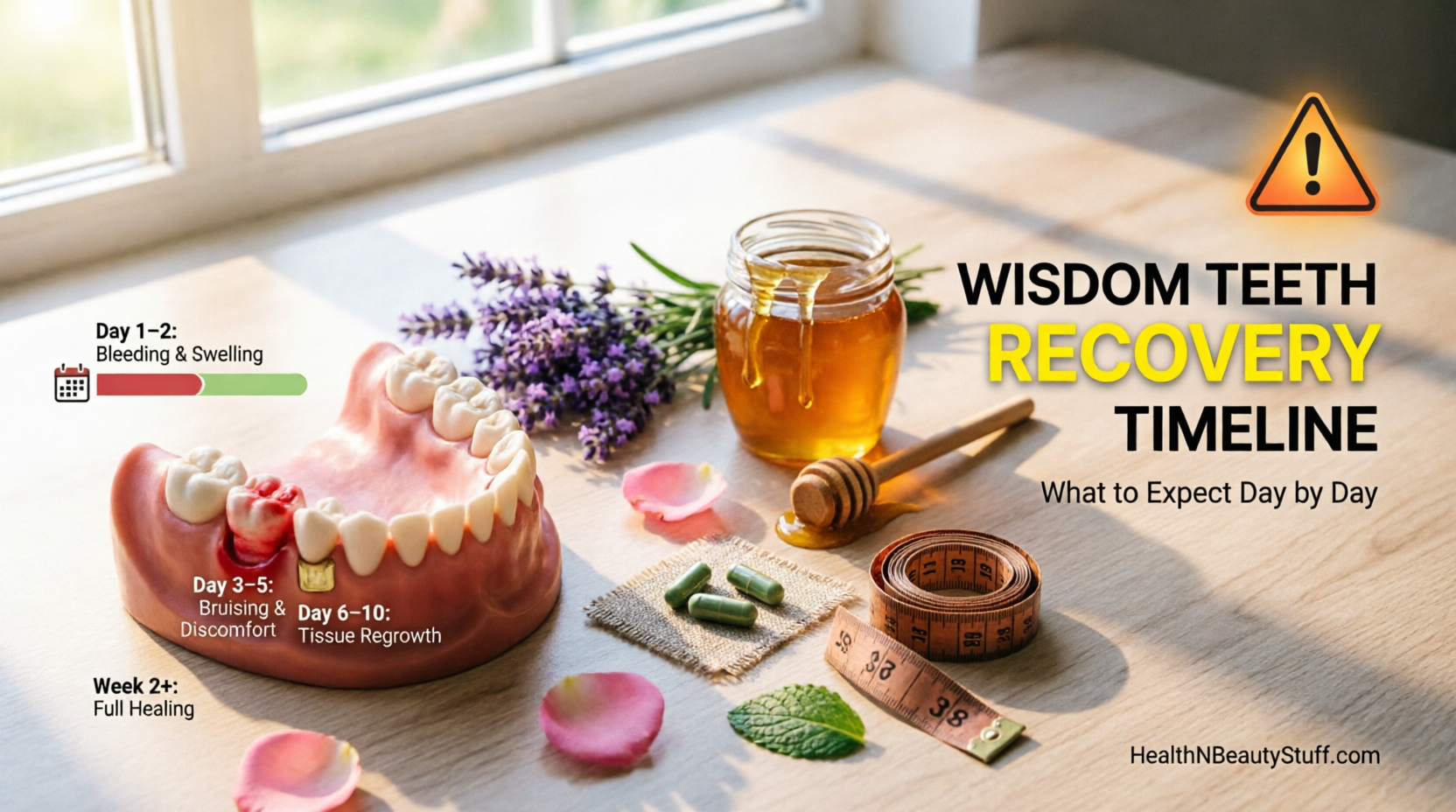
You have just had your wisdom teeth removed, or maybe you are scheduling the procedure and wondering what lies ahead. Either way, one question is likely on your mind: wisdom teeth recovery timeline how long will this take, and what should you expect each step of the way?
Recovery is a journey, not a single event. Understanding the typical healing stages, knowing how to care for yourself, and recognizing warning signs can make the process smoother and less stressful.
Let me walk you through a realistic, day by-day guide to wisdom teeth recovery, from the first 24 hours to full healing, with practical tips to support your comfort and confidence every step of the way.
Wisdom Teeth Recovery Timeline: The Short Answer
Most people feel significantly better within 3 to 7 days after wisdom teeth extraction, with swelling and discomfort decreasing noticeably after the first 72 hours.
You can typically return to school or desk work within 2 to 3 days, and resume light exercise after about a week.
However, complete internal healing—including bone regeneration in the extraction sockets—takes 6 to 8 weeks. Following your oral surgeon’s aftercare instructions closely is the single most important factor in a smooth, complication-free recovery.
Understanding the Healing Process: What Happens After Extraction

Recovery from oral surgery follows predictable biological stages. Knowing what your body is doing helps you support the process effectively.
The Four Stages of Oral Surgery Recovery
| Stage | Timeline | What’s Happening |
|---|---|---|
| Inflammatory phase | Days 1 to 3 | Bleeding stops, swelling peaks, blood clot forms to protect socket |
| Proliferative phase | Days 4 to 14 | Granulation tissue forms, new blood vessels develop, gum edges begin closing |
| Maturation phase | Weeks 3 to 6 | Soft tissue strengthens, collagen remodels, sensation gradually returns |
| Bone regeneration | Weeks 6 to 8+ | Osteogenesis fills extraction sockets with new bone; full structural healing |
Factors That Influence Your Personal Timeline
Recovery is not one-size-fits-all. Several variables affect how quickly you heal:
- Age: Younger patients (late teens to early 20s) typically heal faster due to robust tissue regeneration
- Extraction complexity: Fully erupted teeth heal quicker than impacted or angled wisdom teeth requiring bone removal
- Overall health: Conditions like diabetes or smoking can slow healing and increase complication risks
- Aftercare adherence: Following post-op instructions closely significantly reduces complications and speeds recovery
- Nutrition and hydration: Adequate protein, vitamins, and fluids support tissue repair and immune function
Days 1 to 3: The Critical First Phase
The first 72 hours set the foundation for your entire recovery. This is when bleeding stops, swelling peaks, and the protective blood clot forms in each extraction site.
What to Expect: Bleeding, Swelling, and Pain Management
During this phase, you may experience:
- Oozing or light bleeding: Pink-tinged saliva is normal for 24 to 48 hours; replace gauze as directed
- Swelling: Peaks around 48 to 72 hours; apply ice packs 20 minutes on, 20 minutes off
- Pain and discomfort: Manage with prescribed medications or OTC options as recommended
- Limited mouth opening: Jaw stiffness is common; gentle movement helps restore mobility
- Bruising: May appear on cheeks or neck; resolves within 7 to 10 days
Essential Care: Rest, Ice, and Medication Timing
Maximize comfort and minimize complications with these evidence-based strategies:
- Rest with head elevated: Use extra pillows to reduce swelling and promote clot stability
- Apply ice packs: 20 minutes on, 20 minutes off for the first 24 to 48 hours to minimize swelling
- Take medications as scheduled: Start pain relief before numbness wears off; do not wait for pain to peak
- Avoid straws, spitting, or vigorous rinsing: These actions can dislodge the blood clot and trigger dry socket
- Stick to cool, soft foods: Yogurt, applesauce, smoothies (no straw), and mashed potatoes support nutrition without irritating sockets
Foods and Drinks That Support Early Healing
| Recommended | Avoid | Why |
|---|---|---|
| Cool smoothies (no straw) | Hot liquids | Heat can increase bleeding; suction can dislodge clots |
| Yogurt, pudding, applesauce | Crunchy or chewy foods | Hard foods can irritate sockets or get trapped |
| Protein shakes, broth | Alcohol and carbonated drinks | Can interfere with healing and medication effectiveness |
| Mashed potatoes, oatmeal | Spicy or acidic foods | May sting or irritate sensitive extraction sites |
Days 4 to 7: Transitioning to Comfort
By day 4, most people notice significant improvements. Swelling begins to subside, pain becomes more manageable, and energy levels start to return.
Reduced Swelling and Increasing Mobility
What to expect during this phase:
- Swelling decreases noticeably; switch from ice to warm compresses if recommended
- Jaw stiffness improves; gentle stretching exercises can restore range of motion
- Pain shifts from constant ache to occasional discomfort, especially when eating
- Bruising may change color (purple to yellow) as it heals
- Stitches, if non-dissolvable, may be removed around day 7
When to Resume Light Activities and Oral Hygiene
As you feel better, gradually reintroduce normal routines:
- Oral hygiene: Begin gentle rinsing with warm salt water (1/2 teaspoon salt in 8 oz water) after meals; avoid vigorous swishing
- Brushing: Resume brushing teeth, but avoid the extraction sites directly for the first week
- Light activity: Short walks are encouraged; avoid bending, lifting, or strenuous exercise
- Diet progression: Introduce soft solids like scrambled eggs, pasta, or flaked fish as tolerated
Signs Your Healing Is On Track
Positive indicators during this phase include:
- Decreasing pain that responds well to OTC medications
- Reduced swelling and improved ability to open your mouth
- No foul odor or taste from extraction sites
- Gradual return of normal eating and speaking patterns
- Extraction sockets appear pink and clean, not white or empty-looking
Weeks 2 to 4: Returning to Normal Life
By the second week, most people feel ready to resume daily activities. However, internal healing continues even when you feel fine externally.
Resuming Exercise, Work, and Social Activities
Guidelines for returning to routine:
| Activity | Typical Timeline | Precautions |
|---|---|---|
| Desk work or school | 2 to 3 days | Take breaks; avoid strenuous talking if jaw is stiff |
| Light exercise (walking) | 3 to 5 days | Stop if you feel increased pain or bleeding |
| Moderate exercise (gym, jogging) | 7 to 10 days | Avoid heavy lifting or high-impact activities initially |
| Contact sports or intense training | 3 to 4 weeks | Get clearance from your oral surgeon first |
Advanced Oral Care: Gentle Brushing and Rinsing
As sockets begin to close, refine your oral hygiene routine:
- Continue warm salt water rinses after meals through week 2
- Begin gently brushing near extraction sites with a soft toothbrush
- If prescribed, use chlorhexidine rinse as directed to reduce bacterial load
- Avoid commercial mouthwashes containing alcohol, which can irritate healing tissue
- Stay hydrated to support saliva production, which naturally cleanses the mouth
What Normal Healing Looks Like at This Stage
By weeks 2 to 4, you should notice:
- Extraction sockets covered with pink gum tissue; no visible holes
- Minimal to no pain during normal eating and speaking
- Full mouth opening restored without discomfort
- No swelling, bruising, or unusual discharge
- Ability to eat most foods, avoiding only very hard or crunchy items
Weeks 6 to 8: Full Tissue and Bone Healing
Even when you feel completely normal, internal healing continues. The extraction sockets gradually fill with new bone through a process called osteogenesis.
Internal Healing Continues Even When You Feel Fine
What is happening beneath the surface:
- Bone regeneration fills the extraction sockets, restoring jaw structure
- Nerve endings continue to remodel; occasional tingling or sensitivity may occur
- Gum tissue fully matures and blends with surrounding areas
- Any residual stiffness or minor discomfort typically resolves completely
Final Follow-Up and Long-Term Oral Health
Complete your recovery journey with these steps:
- Attend your scheduled post-op appointment to confirm proper healing
- Discuss any lingering concerns, such as numbness or bite changes
- Resume your regular dental cleaning schedule, typically 4 to 6 weeks post-op
- Maintain excellent oral hygiene to protect remaining teeth and gums
- Consider preventive strategies if you have a history of dental issues
Foods to Eat (and Avoid) During Each Recovery Phase
Nutrition supports healing. Match your diet to your recovery stage:
| Recovery Phase | Recommended Foods | Foods to Avoid |
|---|---|---|
| Days 1 to 3 | Smoothies (no straw), yogurt, applesauce, broth, mashed potatoes | Hot liquids, crunchy foods, straws, alcohol |
| Days 4 to 7 | Scrambled eggs, oatmeal, pasta, flaked fish, soft fruits | Chewy bread, nuts, seeds, spicy or acidic foods |
| Weeks 2 to 4 | Tender meats, cooked vegetables, rice, soft sandwiches | Hard candy, popcorn, ice, very crunchy snacks |
| Weeks 6+ | Return to normal diet as tolerated | None, unless advised by your surgeon |
Managing Pain and Swelling: Proven Strategies
Effective symptom management improves comfort and supports healing:
- Medication timing: Take pain relievers on schedule for the first 48 hours, not just when pain peaks
- Ice then heat: Ice packs for first 48 hours to reduce swelling; warm compresses after day 3 to promote circulation
- Elevation: Sleep with head elevated on extra pillows for the first 3 to 5 nights
- Hydration: Drink plenty of water to support tissue repair and prevent dry mouth
- Rest: Prioritize sleep and avoid overexertion; healing requires energy
Warning Signs: When to Contact Your Oral Surgeon
Most recoveries proceed smoothly, but certain symptoms require prompt professional evaluation:
- Severe or worsening pain after day 3, especially if radiating to ear or temple
- Foul odor or taste from extraction sites that does not improve with rinsing
- Visible bone or empty-looking sockets (possible dry socket)
- Fever above 101°F (38.3°C) or chills, which may indicate infection
- Persistent bleeding that does not slow with gentle pressure after 24 hours
- Numbness that lasts longer than 24 hours or worsens over time
- Difficulty breathing or swallowing, which requires immediate emergency care
When in doubt, contact your oral surgeon. Early intervention prevents minor issues from becoming major complications.
Tips for a Smoother, Faster Recovery
Small actions make a big difference in your healing experience:
-
-
- Prepare ahead: Stock up on soft foods, ice packs, and medications before surgery
- Arrange transportation: Do not drive for 24 hours after sedation or anesthesia
- Follow instructions precisely: Your surgeon’s guidance is tailored to your specific case
- Track your symptoms: Note pain levels, swelling changes, and any concerns to discuss at follow-ups
- Be patient with yourself: Healing is not linear; some days feel better than others
- Lean on support: Ask family or friends to help with meals, errands, or reminders during the first few days
Frequently Asked Questions
▸
How long does it take to recover from wisdom teeth removal?Most people feel significantly better within 3 to 7 days after wisdom teeth extraction, with swelling and discomfort decreasing after the first 72 hours. You can typically return to school or desk work within 2 to 3 days. However, complete internal healing, including bone regeneration, takes 6 to 8 weeks.
▸
What is the fastest way to recover from wisdom teeth surgery?Follow your oral surgeon’s aftercare instructions precisely: rest with head elevated, apply ice packs for the first 48 hours, take medications as scheduled, stay hydrated, and eat soft, nutritious foods. Avoid straws, smoking, and vigorous rinsing to protect blood clots and prevent dry socket.
▸
When can I eat normally after wisdom teeth extraction?Start with cool, soft foods for the first 3 days. Gradually introduce tender solids like scrambled eggs or pasta by days 4 to 7. Most people can return to a normal diet by weeks 2 to 4, avoiding only very hard or crunchy items until extraction sites are fully closed.
▸
What are the signs of dry socket after wisdom teeth extraction?Dry socket typically causes severe, throbbing pain 2 to 4 days after extraction, often radiating to the ear or temple. You may notice a foul odor or taste, and the extraction site may appear empty or show visible bone. Contact your oral surgeon promptly if you suspect dry socket; it is treatable with medicated dressings.
Final Thoughts: Patience Pays Off in Healing
Recovering from wisdom teeth extraction is a temporary chapter in your oral health journey. By understanding the typical wisdom teeth recovery timeline, caring for yourself with intention, and knowing when to seek help, you can navigate this experience with confidence.
Remember: your body is designed to heal. Trust the process, honor your need for rest, and celebrate each small milestone. Within weeks, you will be back to your normal routine—and your smile will be healthier for it.
Sources:
● American Association of Oral and Maxillofacial Surgeons — Wisdom Teeth Recovery Guidelines and Aftercare
● Journal of Oral and Maxillofacial Surgery — Healing Timelines and Complication Prevention Research
● Mayo Clinic — Wisdom Tooth Extraction: What to Expect During Recovery -