There is a reason the Japanese tiger tattoo has captivated people for centuries. Its fierce eyes, powerful stance, and flowing surroundings tell a story of strength, protection, and harmony with nature.
If you are considering this design, you likely feel drawn to more than just aesthetics. You want ink that carries meaning, honors tradition, and commands respect.
But navigating Japanese tattoo culture requires thoughtfulness. How do you choose a design that feels authentic without appropriating?
How do you find an artist who understands Irezumi tradition? Let me guide you through the symbolism, styles, and practical steps to create a japanese tiger tattoo that honors both your vision and the culture that inspired it.
Why Japanese Tiger Tattoos Command Respect
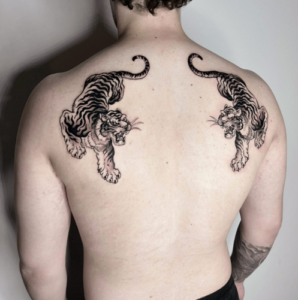
The tiger is not just a powerful animal in Japanese art. It is a symbol woven into folklore, spirituality, and visual storytelling.
Japanese tiger tattoos belong to the rich tradition of Irezumi, where every element carries intention. Unlike Western tattoos that may focus on standalone images, Japanese designs flow with the body, using background elements to create movement and narrative.
This tattoo is for those who value artistry, cultural depth, and timeless symbolism over fleeting trends.
Japanese Tiger Tattoo Meaning: Power, Protection, and Balance
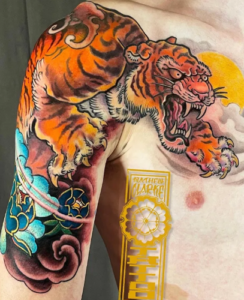
Understanding the symbolism helps you design a tattoo that resonates deeply.
Strength, Courage, and Overcoming Adversity
In East Asian culture, the tiger in East Asian culture represents courage, resilience, and the ability to face challenges head-on.
A Japanese tiger tattoo can mark personal triumph, inner strength, or the determination to protect what matters most.
Guardian Spirit and Warding Off Evil
Traditionally, tigers are seen as guardian spirits that ward off evil, disease, and bad luck. Many wear this tattoo as a talisman of protection, believing the tiger’s presence brings safety and positive energy.
Balance with Nature: Wind, Water, and Bamboo
Japanese art emphasizes harmony between creatures and their environment. Tigers are often depicted with bamboo (resilience), waves (adaptability), or wind bars (movement).
These elements remind us that true strength flows with life, not against it.
Traditional Irezumi Style: What Makes It Authentic
Authentic Japanese tattooing follows specific artistic principles that set it apart from other styles.
Tebori Hand-Poking vs Modern Machine Techniques
Tebori is the traditional hand-poking method using bamboo or metal rods. This technique creates unique texture, subtle shading, and a connection to centuries of practice.
Modern machines offer precision and speed. Many contemporary artists blend both approaches. Discuss your preferences with your artist during consultation.
Bold Outlines, Rich Colors, and Background Elements
Traditional Irezumi features strong black outlines, vibrant mineral-based pigments, and elaborate backgrounds. Wind bars, waves, and clouds are not filler.
They create movement, frame the tiger, and connect the design to Japanese aesthetic principles.
The Role of Wind Bars, Waves, and Clouds
These background elements, called gakubori, serve multiple purposes. They fill negative space, guide the eye across the body, and symbolize natural forces surrounding the tiger.
A skilled artist uses them to make your tattoo feel alive and cohesive.
- Study reference images of traditional Japanese tiger tattoos to understand composition
- Discuss pose preferences: roaring, walking, or observing
- Ask to see your artist’s healed Japanese work, not just fresh photos
- Consider how background elements will flow with your body’s contours
- Remember: authentic Irezumi often requires multiple sessions and patience
Design Variations for Japanese Tiger Tattoos
Your tiger can express different moods and meanings through pose and companions.
Fierce Roaring Tigers vs Calm Observing Poses
A roaring tiger conveys raw power, defiance, and protective energy. A calm, observing tiger suggests wisdom, patience, and controlled strength. Both are valid. Choose the expression that aligns with your personal story.
Tiger and Dragon Combinations: Rivalry and Harmony
In Japanese mythology, tigers and dragons represent complementary forces. The tiger governs earth and wind. The dragon rules water and sky. Together, they symbolize balance between opposing powers. This combination works beautifully for large back pieces or full sleeves.
Seasonal Elements: Cherry Blossoms, Maple, Snow
Adding seasonal flora deepens meaning. Cherry blossoms represent life’s beauty and brevity. Maple leaves signal change and endurance. Snow suggests purity and resilience. These elements personalize your tiger while honoring Japanese artistic tradition.
Best Placement Options for Japanese Tiger Tattoos
Placement affects how the design flows with your body and how much canvas you have for storytelling.
Full Back Pieces for Epic Storytelling
A full back horimono provides the ultimate canvas for a Japanese tiger surrounded by waves, mountains, or celestial elements.
This placement allows for symmetrical composition and dramatic impact. It requires significant time, investment, and commitment.
Sleeves and Half Sleeves for Dynamic Flow
Arm sleeves let the tiger appear to move with your muscles. A half sleeve can feature the tiger’s head and shoulders with background elements wrapping around.
Full sleeves accommodate complete narratives with tigers, dragons, and seasonal scenes.
Chest, Thigh, and Calf for Bold Statements
Chest placements work well for tigers paired with dragons or guardian imagery. Thighs and calves offer large, relatively flat canvases ideal for dynamic poses. These spots heal well and allow for impressive detail.
| Placement | Best For | Session Estimate |
|---|---|---|
| Full Back | Epic narratives, tiger with dragon or landscape | 10 to 30 plus sessions |
| Full Sleeve | Dynamic movement, tiger with background elements | 6 to 15 sessions |
| Half Sleeve | Tiger head and shoulders, focused composition | 3 to 8 sessions |
| Thigh or Calf | Bold standalone tiger or paired elements | 2 to 6 sessions |
| Chest Panel | Symmetrical designs, guardian imagery | 4 to 10 sessions |
Color Choices: Traditional Palette vs Modern Adaptations
Traditional Japanese tattoos use a specific color palette rooted in Ukiyo-e influence. Deep blacks, rich reds, vibrant greens, and soft grays create bold contrast and timeless appeal.
Modern adaptations may incorporate blues, purples, or watercolor techniques. If you choose color, commit to diligent sunscreen use to prevent fading.
Black and gray Japanese tiger tattoos offer excellent longevity and dramatic contrast. Discuss your lifestyle and aesthetic preferences with your artist when choosing palette.
Cultural Respect: Getting Japanese Tattoos Thoughtfully
Japanese tattoo culture carries deep historical and social significance. To honor the tradition:
Research the meaning behind symbols before incorporating them Work with artists who specialize in Japanese styles and understand cultural context Avoid mixing sacred symbols (like Buddhist imagery) without understanding their significance .
Be open to your artist’s guidance on composition and traditional elements Recognize that in Japan, tattoos still carry complex social associations Getting a japanese tiger tattoo as a non-Japanese person is not inherently appropriation.
It becomes respectful when you approach it with humility, research, and collaboration with knowledgeable artists.
Working with a Japanese Tattoo Specialist
Not all tattoo artists specialize in traditional Japanese work. Look for:
Portfolio examples of tigers, dragons, and Irezumi compositions Experience with large-scale body suits or cohesive sleeve work,
Understanding of traditional composition rules and background elements Willingness to educate you on cultural context and design principles .
Bring reference images of Japanese art, Ukiyo-e prints, or tattoos you admire. A great specialist will help refine your vision while honoring traditional aesthetics.
Session Planning and Healing for Large Traditional Pieces
Authentic Japanese tattoos often require multiple sessions over months or years. Plan accordingly:
- Discuss a realistic timeline with your artist before starting
- Budget for multiple sessions, not just the initial deposit
- Follow aftercare instructions precisely to protect intricate details
- Avoid sun exposure on healing areas to prevent color fading
- Stay hydrated and rest well between sessions to support healing
Large traditional pieces are marathons, not sprints. Patience and commitment yield artwork that lasts a lifetime.
Frequently Asked Questions
1
What does a Japanese tiger tattoo symbolize?
A Japanese tiger tattoo commonly represents strength, courage, protection, and harmony with nature. In traditional Irezumi, the tiger serves as a guardian spirit that wards off evil and embodies resilience. Background elements like bamboo, waves, or wind bars add layers of meaning related to adaptability and natural balance.
2
Is it okay for non-Japanese people to get Japanese tiger tattoos?
Yes, when approached with respect and research. Honor the tradition by learning about Irezumi history, working with artists who specialize in Japanese styles, and avoiding sacred symbols without understanding their significance. Cultural appreciation becomes appropriation when symbols are used without context or respect.
3
How much does a traditional Japanese tiger tattoo cost?
Costs vary widely by artist, location, and size. Small Japanese tiger pieces may start around $500 to $1,500. Large sleeves or back pieces often range from $3,000 to $15,000 or more, completed over multiple sessions. Prioritize artist skill and cultural knowledge over price for traditional work.
4
Where is the best place to put a Japanese tiger tattoo?
Traditional Japanese tattoos flow with the body. Full back pieces allow epic storytelling with tigers, dragons, and landscapes. Sleeves create dynamic movement as the tiger appears to walk or leap. Chest, thigh, and calf placements work well for bold standalone designs. Choose based on your vision, pain tolerance, and commitment level.
Final Thoughts: Honoring Tradition While Making It Yours
A japanese tiger tattoo is more than a striking image. It is a connection to centuries of artistry, symbolism, and cultural storytelling.
Whether you choose a fierce roaring tiger or a calm guardian pose, bold traditional colors or subtle blackwork, let respect guide your choices.
Partner with an artist who values tradition as much as you do. When done with care, your Japanese tiger tattoo becomes a lifelong companion that honors both your personal journey and the rich culture that inspired it.
Sources:
● Japan National Tourism Organization — Traditional Japanese Tattoo Culture and History
● Journal of Japanese Studies — Irezumi Artistry and Ukiyo-e Aesthetic Connections
● American Academy of Dermatology — Tattoo Aftercare and Sun Protection Guidelines

Sarah is a lifestyle and celebrity health writer who explores the intersection of fame, wellness, and personal stories. She researches trending topics and public figures to deliver engaging, well-sourced content that answers the questions readers are actually searching for — from celebrity health routines to lifestyle insights.