Thinking about ink but worried about commitment? You are not alone. Many guys hesitate because they want something bold yet practical, meaningful yet professional.
The shoulder solves this dilemma perfectly. Learning about shoulder tattoos for men opens the door to designs that emphasize strength, fit your lifestyle, and stay hidden when your career demands it.
Whether you envision a fierce lion, intricate tribal pattern, or minimalist geometric piece, the shoulder provides a canvas that grows with you.
Let me walk you through exactly what makes this placement so powerful and how to choose a design you will love for decades.
Why Shoulder Tattoos Work So Well for Men
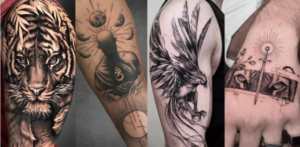
Shoulder tattoos for men combine masculine aesthetics with everyday practicality. The shoulder’s natural shape highlights muscle definition, making ink look more dynamic as you train.
Unlike ribs or spine placements, shoulders have thick muscle and fewer nerve endings, keeping pain manageable for most guys.
You can showcase your art at the beach or gym, then cover it completely with any shirt that has sleeves.
This flexibility makes shoulders ideal for professionals, athletes, and anyone balancing personal expression with workplace expectations.
Masculine Aesthetic Meets Practical Flexibility
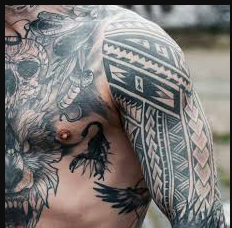
The shoulder symbolizes strength in many cultures. Ink placed here naturally draws attention to your physique without overwhelming your frame.
Designs flow with your body’s contours, creating movement that static placements cannot match. Plus, shoulders heal reliably with proper care, and the area maintains tattoo clarity better than high-friction zones like hands or feet.
Understanding Shoulder Placement Options
Not all shoulder tattoos sit in the same spot. Understanding the anatomy helps you choose placement that matches your vision.
Front Shoulder vs Back Shoulder vs Shoulder Cap
The front shoulder (anterior deltoid) faces forward, perfect for designs you want to see daily or that connect to chest pieces.
The back shoulder (posterior deltoid) offers more privacy and works beautifully for guardian imagery like wings or protective symbols.
The shoulder cap sits atop the deltoid’s rounded peak, ideal for circular designs like mandalas, compasses, or tribal medallions that wrap naturally around the muscle curve.
| Placement | Best For | Visibility |
|---|---|---|
| Front Shoulder | Animal portraits, armor designs | Face-to-face conversations |
| Back Shoulder | Wings, crosses, family tributes | Visible from behind only |
| Shoulder Cap | Mandalas, geometric circles | All angles, 360 degrees |
Pain Levels: What to Honestly Expect
Let us be direct: all tattoos involve discomfort, but shoulders rank among the most tolerable major placements.
The outer shoulder cap typically rates 3 to 4 out of 10 on the pain scale thanks to thick deltoid muscle cushioning. Front and back shoulders may reach 4 to 5 out of 10, especially near the collarbone or shoulder blade where bone sits closer to skin.
The inner shoulder near the armpit is more sensitive at 6 to 7 out of 10, so most artists avoid extending designs into this zone unless requested.
First-timers often report shoulder sessions as “annoying but manageable,” especially compared to ribs, spine, or feet.
Top Shoulder Tattoo Styles for Men
Your style should reflect your personality while working with the shoulder’s natural shape. Here are the most requested designs that deliver impact and longevity.
Tribal and Polynesian Patterns
Polynesian tattooing uses bold black lines, spirals, and geometric motifs that flow perfectly with shoulder contours. These designs honor cultural heritage while creating powerful visual statements.
When choosing tribal work, research the symbolism and work with artists experienced in these traditions to ensure respectful execution.
Bold Animal Designs: Lions, Wolves, Eagles
Predator animals symbolize strength, loyalty, and freedom. Lions represent courage and leadership. Wolves embody pack mentality and instinct.
Eagles signify vision and power. These designs work best on the front shoulder where forward-facing portraits create immediate impact.
Geometric and Mandala Artwork
Circular patterns align naturally with the shoulder cap’s rounded shape. Blackwork tattooing techniques create sharp lines and balanced symmetry that age beautifully. Geometric designs offer modern appeal while maintaining timeless structure.
Japanese Traditional and Biomechanical
Japanese styles feature dragons, koi fish, and samurai motifs designed to flow across body curves.
Biomechanical designs create the illusion of machinery beneath skin, adding depth and dimension. Both styles benefit from artists specializing in these intricate techniques.
- Choose designs that complement your shoulder shape, not fight against it
- Consider how the piece will look flexed versus relaxed
- Discuss extension plans with your artist if you want future sleeve work
- Prioritize artist specialization over price for complex styles
- Review healed photos of their shoulder work, not just fresh shots
Planning Your Session: Size, Cost, and Time
Shoulder tattoos range from small 3 to 4 inch symbols to large pieces covering the entire deltoid and beyond.
Small standalone designs typically cost $300 to $600 and complete in one 2 to 4 hour session. Medium detailed pieces run $600 to $1,200 and may require two sessions.
Large shoulder-to-chest or shoulder-to-arm projects start around $1,500 and extend across multiple appointments. Always budget for quality over speed; experienced artists charge more but deliver work that lasts decades.
Healing and Aftercare for Active Lifestyles
Proper aftercare protects your investment. For the first 72 hours, apply a thin layer of aftercare ointment three times daily after gentle washing with unscented soap.
Avoid soaking, swimming, or heavy sweating for 10 to 14 days. Wear loose cotton shirts to minimize friction. If you train regularly, skip upper body workouts for 7 to 10 days to prevent stretching the healing skin.
Most surface healing completes in 2 to 3 weeks, though deep tissue recovery continues for 6 to 8 weeks.
Will Muscle Growth Affect Your Tattoo?
Gradual muscle development will not distort a well-placed shoulder tattoo. Skin adapts slowly as you build strength, and quality designs account for natural movement.
Rapid weight fluctuations or extreme bodybuilding cycles may cause slight stretching, but normal training enhances how ink sits on developed delts.
Discuss your fitness goals with your artist during placement to ensure the design works whether you are relaxed or flexed.
Professional Discretion: Hiding Your Ink When Needed
One of the shoulder’s greatest advantages is easy concealment. Any shirt with sleeves covers the area completely, making shoulder tattoos for men ideal for corporate environments, client-facing roles, or conservative settings.
You control visibility: tank tops for weekends, dress shirts for meetings. This flexibility lets you express yourself without limiting career opportunities.
Choosing the Right Artist for Your Style
Not all tattoo artists specialize in every technique. Review portfolios specifically for shoulder work in your desired style. An artist excellent at fine-line geometric pieces may not be the best choice for bold traditional tribal. Ask to see healed photos, not just fresh ink.
Discuss your vision openly and trust their guidance on placement, size, and flow. A great artist becomes a partner in creating art you will wear proudly for life.
Final Tips Before You Book
Take time to sit with your design idea. Save reference images but allow room for your artist’s creative input. Hydrate well before your session and eat a solid meal beforehand.
Avoid alcohol and blood-thinning medications 24 hours prior. Bring music or a podcast to help you relax during longer sessions.
Remember that shoulder tattoos for men are a long-term commitment; choosing thoughtfully now ensures satisfaction for years to come.
Sources:
● Healthline — Tattoo Pain Chart: Male Body Placement Guide
● American Academy of Dermatology — Tattoo Aftercare and Sun Protection Guidelines
● Journal of the American Academy of Dermatology — Long-term Tattoo Aging and UV Exposure Research

Sarah is a lifestyle and celebrity health writer who explores the intersection of fame, wellness, and personal stories. She researches trending topics and public figures to deliver engaging, well-sourced content that answers the questions readers are actually searching for — from celebrity health routines to lifestyle insights.