New articles every week — Expert-backed health & beauty tips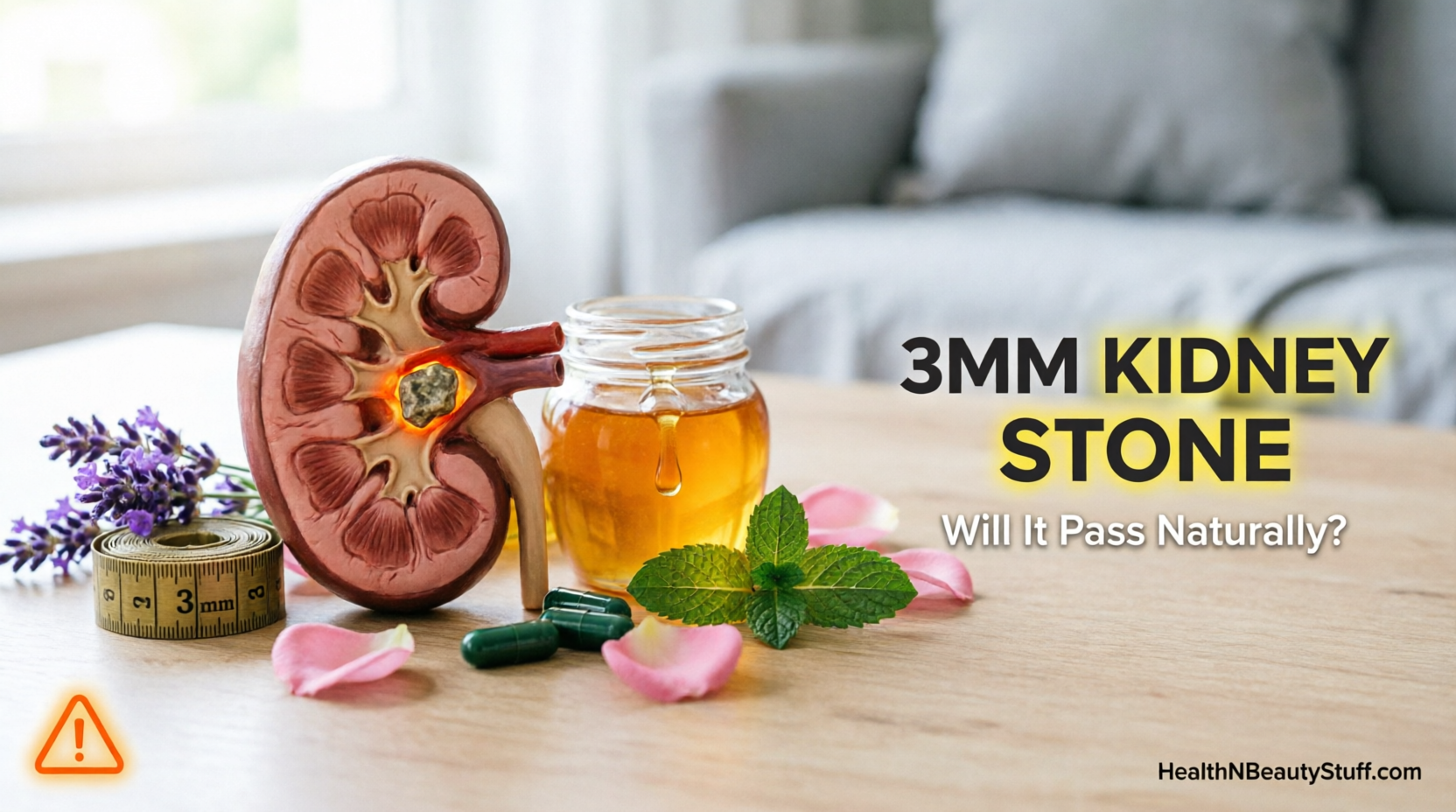
You have just been diagnosed with a 3mm kidney stone, or maybe you are experiencing symptoms and wondering if that is what is happening. Either way, you likely have questions: Will it pass on its own?
How long will it hurt? What can you do to help it along? The good news is that a 3mm stone is considered small, and most pass naturally without invasive procedures
. Understanding what to expect, how to manage symptoms, and when to seek help can make this challenging experience much more manageable.
Let me walk you through everything you need to know about 3mm kidney stones, from passage timelines to prevention strategies that protect your future health.
3mm Kidney Stone: The Short Answer
A 3mm kidney stone is considered small and has a high likelihood of passing on its own, with approximately 80 to 90% of stones this size exiting the body naturally within a few days to three weeks.
Most people manage symptoms at home with hydration, pain relief, and gentle movement. However, persistent pain, fever, or inability to urinate requires prompt medical evaluation to rule out complications like infection or blockage.
Understanding Kidney Stone Sizes: Where 3mm Fits
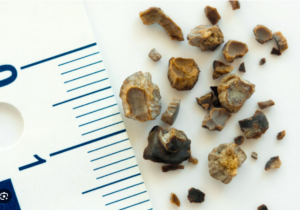
Kidney stones range from tiny grains of sand to large masses that fill the kidney. Size significantly influences treatment decisions and passage likelihood.
Small, Medium, and Large Stones Explained
| Stone Size | Passage Likelihood | Typical Treatment |
|---|---|---|
| Under 4mm | 80 to 90% pass naturally | Hydration, pain management, observation |
| 4 to 6mm | 50 to 60% pass naturally | Medical expulsive therapy, possible intervention |
| Over 6mm | Less than 40% pass naturally | Procedures like lithotripsy or ureteroscopy often needed |
Why Size Matters for Passage and Treatment
The ureter, the narrow tube connecting your kidney to your bladder, typically measures 3 to 4mm in diameter.
A 3mm kidney stone is small enough to navigate this passage in most cases, though it may still cause significant discomfort as it moves. Larger stones are more likely to become lodged, requiring medical intervention to remove or break them up.
Will a 3mm Kidney Stone Pass on Its Own?
Yes, in most cases. Research shows that stones under 4mm pass spontaneously in approximately 80 to 90% of patients without surgical intervention.
Passage Rates by Stone Size
Understanding the odds helps set realistic expectations:
- Under 3mm: About 90% pass naturally, often within 1 to 2 weeks
- 3 to 4mm: Approximately 80% pass naturally, typically within 2 to 3 weeks
- 4 to 5mm: Roughly 60% pass naturally; medical support may improve odds
- Over 5mm: Less than 50% pass without intervention; procedures often recommended
Factors That Influence Natural Passage
Several variables affect whether and how quickly your stone will pass:
- Stone location: Stones already in the lower ureter pass more easily than those still in the kidney
- Hydration level: Adequate fluid intake helps flush the urinary tract and move the stone
- Ureter anatomy: Natural variations in tube width or curvature can affect passage
- Physical activity: Gentle movement like walking may help guide the stone downward
- Medications: Alpha-blockers can relax ureter muscles and improve passage rates
Symptoms of a 3mm Kidney Stone
Even small stones can cause significant symptoms as they move through the urinary tract.
Pain Patterns and What to Expect
Kidney stone pain, called renal colic, typically presents as:
- Sharp, cramping pain in the back or side, often below the ribs
- Pain that radiates to the lower abdomen or groin as the stone moves
- Waves of intense pain that come and go as the ureter contracts
- Discomfort that shifts in location as the stone progresses
Other Signs: Blood in Urine, Nausea, Urgency
Beyond pain, watch for these common symptoms:
| Symptom | Why It Happens | What to Do |
|---|---|---|
| Hematuria (blood in urine) | Stone irritates ureter lining as it passes | Monitor; report heavy bleeding or clots to your doctor |
| Nausea or vomiting | Shared nerve pathways between kidneys and gut | Stay hydrated; ask your doctor about anti-nausea meds |
| Frequent or urgent urination | Stone near bladder triggers urge signals | Use a strainer to catch the stone when it passes |
| Cloudy or foul-smelling urine | Possible infection alongside the stone | Seek medical evaluation promptly if fever develops |
How Long Does It Take to Pass a 3mm Stone?
Most 3mm kidney stones pass within 1 to 3 weeks from the onset of symptoms. However, timelines vary based on individual factors:
- Fast passage: Some stones exit within 24 to 72 hours, especially if already in the lower ureter
- Average timeline: 1 to 2 weeks is typical for stones moving from kidney to bladder
- Longer cases: Up to 3 to 4 weeks may be needed if the stone moves slowly or pauses
- When to worry: If no progress after 3 weeks, or if pain worsens, contact your doctor
Tracking your symptoms and staying in communication with your healthcare provider helps ensure safe passage.
Treatment Options: Home Care and Medical Support
Most 3mm stones can be managed at home with supportive care. Your doctor may also recommend medications to ease the process.
Hydration Strategies for Stone Passage
Fluid intake is the single most important factor in helping a stone pass:
- Aim for 2.5 to 3 liters (about 10 to 12 cups) of fluid daily, unless your doctor advises otherwise.
- Water is best; citrus drinks like lemonade may help prevent certain stone types.
- Monitor urine color: pale yellow indicates good hydration; dark yellow means drink more.
- Spread fluids evenly throughout the day rather than consuming large amounts at once.
Pain Management: OTC and Prescription Options
Effective pain control improves comfort and reduces stress during passage:
| Option | How It Helps | Considerations |
|---|---|---|
| NSAIDs (ibuprofen, naproxen) | Reduces inflammation and pain | Avoid if you have kidney disease or stomach ulcers |
| Acetaminophen | Relieves pain without affecting kidneys | Follow dosing instructions; avoid exceeding daily limit |
| Prescription pain meds | Stronger relief for severe pain | Use short-term; discuss risks like drowsiness or dependence |
| Heat therapy | Relaxes muscles and eases cramping | Use heating pad on low; avoid direct skin contact |
Medical Expulsive Therapy: Alpha-Blockers
For stones 3 to 10mm, doctors may prescribe alpha-blockers like tamsulosin (Flomax). These medications relax the smooth muscles of the ureter, potentially:
- Increasing passage rates by up to 30% for stones in the 4 to 10mm range
- Reducing time to passage by several days on average
- Decreasing pain and need for additional interventions
Discuss with your doctor whether this option is appropriate for your 3mm stone.
When to Seek Medical Care: Red Flags to Watch For
While most 3mm stones pass safely at home, certain symptoms require prompt evaluation:
- Fever above 101.5°F (38.6°C) or chills, which may signal infection
- Inability to urinate or significantly reduced urine output
- Severe pain not relieved by prescribed medications
- Persistent nausea or vomiting that prevents hydration
- Heavy bleeding, clots, or urine that looks like cola
- Pain lasting longer than 3 to 4 weeks without stone passage
These signs may indicate complications like urinary tract infection, complete blockage, or a stone that requires intervention.
Collecting Your Stone: Why It Matters for Prevention
If possible, catch your stone when it passes. Your doctor can analyze its composition to guide prevention strategies:
- Use a stone strainer or fine mesh sieve when urinating.
- Rinse the stone gently with water and let it air dry.
- Store it in a clean, dry container and bring it to your follow-up appointment.
- Ask your doctor about laboratory analysis to determine stone type.
Knowing whether your stone is calcium oxalate, uric acid, struvite, or cystine helps tailor dietary and lifestyle changes to prevent recurrence.
Preventing Future Kidney Stones: Lifestyle and Diet
After passing a stone, your risk of another increases. These evidence-based strategies reduce recurrence:
- Stay hydrated: Drink enough fluids to produce at least 2.5 liters of urine daily
- Limit sodium: High salt intake increases calcium in urine, promoting stone formation
- Moderate oxalate-rich foods: If you form calcium oxalate stones, reduce spinach, nuts, chocolate, and tea
- Include dietary calcium: Contrary to myth, adequate calcium from food binds oxalates and reduces stone risk
- Limit animal protein: Excess meat, fish, or poultry can increase uric acid and calcium stones
- Consider citrate: Lemon juice or potassium citrate supplements may help prevent certain stone types
Work with your doctor or a registered dietitian to create a personalized prevention plan based on your stone type and health history.
Frequently Asked Questions
▸
How long does it take to pass a 3mm kidney stone?
Most 3mm kidney stones pass within 1 to 3 weeks from symptom onset. Some exit within 24 to 72 hours if already in the lower ureter, while others may take up to 3 to 4 weeks. Staying well-hydrated and active can help speed passage. Contact your doctor if no progress occurs after 3 weeks.
▸
Is a 3mm kidney stone painful?
Yes, even small stones can cause significant pain as they move through the narrow ureter. Pain typically presents as sharp, cramping waves in the back, side, or groin. Over-the-counter pain relievers, heat therapy, and prescription medications can help manage discomfort during passage.
▸
What helps a 3mm kidney stone pass faster?
Drink plenty of water (2.5 to 3 liters daily), stay gently active with walking, and ask your doctor about alpha-blocker medications like tamsulosin that relax the ureter. Avoid dehydration, excessive sodium, and high-oxalate foods during passage. Using a strainer helps catch the stone for analysis.
▸
When should I go to the ER for a kidney stone?
Seek emergency care if you experience fever with chills, inability to urinate, severe unrelenting pain, persistent vomiting, or heavy bleeding. These signs may indicate infection, complete blockage, or other complications requiring urgent treatment. When in doubt, contact your healthcare provider for guidance.
Final Thoughts: You Can Get Through This
Dealing with a 3mm kidney stone is challenging, but you are not alone. Most people pass stones this size successfully with supportive home care.
By staying hydrated, managing pain wisely, and knowing when to seek help, you can navigate this experience with confidence. Once the stone passes, focus on prevention strategies that protect your long-term kidney health. Your body has an amazing ability to heal.
Trust the process, lean on your healthcare team, and be gentle with yourself as you recover. You have got this.
Sources:
● National Institute of Diabetes and Digestive and Kidney Diseases — Kidney Stones: Symptoms, Causes, and Treatment
● American Urological Association — Medical Management of Kidney Stones: Clinical Guidelines
● Mayo Clinic — Kidney Stone Prevention and Home Care Recommendations