New articles every week — Expert-backed health & beauty tips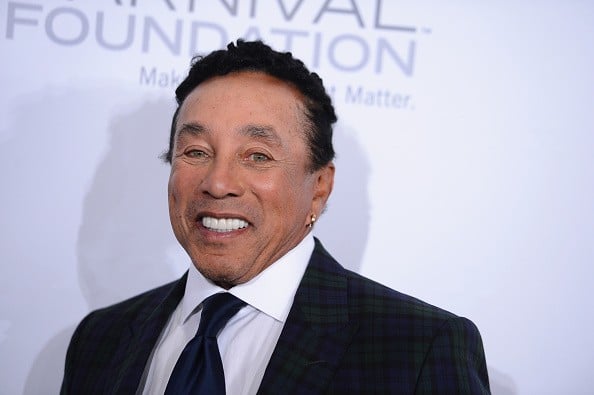
From earning $5 a week at Motown to building a $150 million empire, Smokey Robinson’s journey is music business history.
As the architect behind some of Motown’s greatest hits and a pioneering executive, Robinson didn’t just create timeless music—he built lasting wealth in an industry notorious for exploiting artists.
If you’re curious about Smokey Robinson’s net worth, how his 4,000+ songs generate income decades later, and the business acumen behind his fortune, this comprehensive guide provides verified facts and valuable lessons for aspiring artists and music fans alike.
Smokey Robinson Net Worth: The Numbers at a Glance
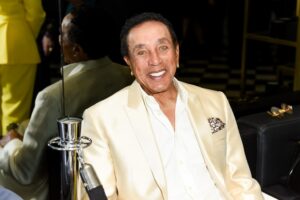
| Category | Details |
|---|---|
| Current Net Worth | $150 million USD (2026 estimate) |
| Primary Wealth Sources | Songwriting royalties, recording income, Motown executive compensation, real estate |
| Songs Written | 4,000+ compositions across six decades |
| Peak Annual Earnings | Estimated $3-8M during solo career peak (late 1970s-1980s) |
| Real Estate Transactions | Encino home: bought $2.7M (2002), sold $2.3M (2002), later resold $8.3M (2017) |
Career Earnings Timeline: From $5/Week to Millions
The Motown Foundation (1957-1972)
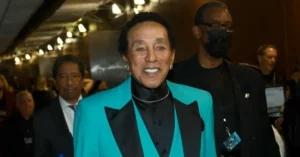
Smokey Robinson’s financial journey began humbly but laid the foundation for unprecedented wealth:
- 1957: First single “Got a Job” with The Miracles; early earnings modest
- 1960: “Shop Around” sells 1M+ copies; first major royalty stream
- 1960s peak: Principal songwriter for The Temptations, Mary Wells, Marvin Gaye; publishing royalties compound
- Executive role: Became Motown VP; salary + profit-sharing details not public but significant
- Early contract context: Started at $5/week; later renegotiated as Motown grew
Solo Career Breakthrough (1973-1990)
After stepping back from The Miracles, Robinson launched a successful solo career:
- 1973: Debut solo album “Smokey”; modest initial impact
- 1979: “Cruisin'” reaches top 10; renewed commercial success
- 1981: “Being With You” hits #1; peak solo earning period
- 1987: “Just to See Her” wins Grammy; album “One Heartbeat” generates significant royalties
- 1988: Steps down as Motown VP after RCA acquisition; focuses on solo work
Legacy Era Income (1990-Present)
Robinson’s wealth continues to grow through multiple revenue streams:
- Touring: Consistent revenue from nostalgia tours, residencies, festival appearances
- Royalties: Ongoing payments from streaming, radio, film/TV syncs for 4,000+ songs
- Catalog value: Songs represented by Global Music Rights; BMG acquired 10,000 Motown songs for ~$150M (2016)
- Advocacy: Senate testimony (2018) to protect pre-1972 recording royalties—impacts his own earnings
Wealth Source Breakdown
Songwriting Royalties (Estimated 40-50% of wealth)
Robinson’s songwriting catalog is his most valuable asset:
- Mechanical royalties: Earned when songs are reproduced (streams, downloads, physical sales)
- Performance royalties: ASCAP/BMI payments for radio, TV, live performances
- Sync licensing: Fees when songs used in films, commercials, TV shows
- Cover versions: Other artists recording his songs generate additional publishing income
- Key catalog highlights: “My Girl” (The Temptations), “Shop Around,” “The Tracks of My Tears,” “Cruisin'”
Recording & Performance Income (Estimated 25-35%)
- Miracles era: Album sales, touring revenue 1960s-1972
- Solo career: Album sales, concert tours 1973-present
- Residencies/Live shows: Las Vegas, cruise ships, corporate events in later career
- Streaming era: Platforms like Spotify, Apple Music generate ongoing per-stream payments
Executive Compensation & Business (Estimated 10-20%)
- Motown VP role: Salary, bonuses, potential equity/profit-sharing during tenure
- Production work: Fees for producing other artists’ recordings
- Consulting: Advisory roles in music industry post-Motown
Real Estate Investments (Estimated 10-15%)
- Encino estate: Purchased 1912-built home for $2.7M (2002); sold for $2.3M same year; property later resold for $8.3M (2017)
- Chatsworth mansion: Listed for $10.5M (2005), reduced to $7.99M (2014); 9,075 sq ft + guest house
- Investment strategy: Buy, hold, sell appreciated properties; diversify beyond music income
The Royalty Revolution: Protecting Legacy Earnings
Senate Testimony (2018)
Fighting for Artists’ Rights
In 2018, Robinson testified before the Senate Judiciary Committee on music copyright reform. The key issue: pre-1972 recordings weren’t covered by federal copyright, meaning artists were denied streaming royalties. His songs were being streamed 50,000 times daily without full compensation under the old law. The outcome was the CLASSICS Act, which extended protections to pre-1972 recordings.
Why This Matters for His Wealth
- Ensures ongoing royalty streams from classic Motown catalog
- Sets precedent protecting legacy artists’ digital-era earnings
- Demonstrates business acumen beyond performing—advocating for industry change
Real Estate Portfolio: Strategic Wealth Preservation
Encino Estate Transaction History
| Year | Event | Price | Notes |
|---|---|---|---|
| 2002 | Robinson purchases | $2.7M | 10,600 sq ft, 1.5 acres, English gardens |
| 2002 | Robinson sells | $2.3M | Quick turnover; possible tax/strategy reason |
| 2017 | Property resells | $8.3M | After renovations; ~3.6x appreciation since 2002 |
Chatsworth Mansion Strategy
- Originally listed: $10.5M (2005) during market peak
- Re-listed: $10M (2007) as market softened
- Final price: $7.99M (2014) after extended marketing
- Features: 9,075 sq ft main house + 2,000 sq ft guest house
- Lesson: Patience and price flexibility in luxury real estate
Awards, Honors & Their Financial Impact
Career-Defining Recognition
- Rock & Roll Hall of Fame (1987): Increased catalog value, booking fees
- Songwriters Hall of Fame (1989): Enhanced publishing royalty leverage
- National Medal of Arts (1993): Presidential recognition boosts legacy value
- Kennedy Center Honors (2006): Prestige increases demand for appearances
- Library of Congress Gershwin Prize (2016): Highest songwriting honor; catalog valuation boost
How Awards Translate to Wealth
- Higher booking fees for concerts, speaking engagements
- Increased catalog valuation for potential sale/licensing
- Enhanced negotiating power for royalty rates, sync licenses
- Legacy premium: Collectors, streaming platforms pay more for honored artists
Comparing Robinson to Motown Peers
| Artist | Estimated Net Worth | Key Wealth Difference |
|---|---|---|
| Smokey Robinson | $150M | Songwriting royalties + executive role + solo career |
| Berry Gordy | ~$400M | Motown label ownership (equity vs. salary) |
| Diana Ross | ~$250M | Solo superstardom + film career + branding |
| Marvin Gaye (estate) | ~$15-20M | Died young; estate managed by heirs |
| Stevie Wonder | ~$200M | Songwriting + performing + publishing ownership |
Key Insight: Robinson’s wealth reflects diversification—performer + songwriter + executive + investor—reducing reliance on any single income stream.
Frequently Asked Questions
Understanding Smokey Robinson’s financial legacy
What is Smokey Robinson’s exact net worth?
+
How much did Smokey Robinson earn at Motown?
+
Does Smokey Robinson still earn money from his songs?
+
What happened to Smokey Robinson’s real estate?
+
Is Smokey Robinson’s catalog for sale?
+
How old is Smokey Robinson?
+
Did Smokey Robinson own part of Motown?
+
Want to understand music royalties?
Download our free guide: ‘How Songwriters Build Wealth in the Streaming Era’.
The Bottom Line: Wealth Built on Songwriting Genius
Key Takeaways
- Smokey Robinson’s $150M net worth reflects rare diversification: performer + songwriter + executive + investor
- Songwriting royalties from 4,000+ compositions provide lasting, passive income streams
- Strategic real estate transactions preserved and grew wealth beyond music volatility
- Advocacy work (Senate testimony) protected legacy earnings in the digital age
Lessons for Aspiring Artists
- Own your publishing: Songwriting royalties outlast performance income
- Diversify income: Robinson combined performing, writing, executive work, investing
- Advocate for rights: His Senate testimony shows artists can shape policy affecting earnings
- Think long-term: Real estate and catalog value appreciate; don’t spend all peak earnings
- Build legacy: Awards and honors increase catalog value and booking power
Conclusion
Smokey Robinson built a $150 million fortune through songwriting genius, business acumen, and strategic investments—proving artists can build lasting wealth.
From his humble beginnings earning $5 a week at Motown to becoming one of music’s most successful executives and songwriters, Robinson’s journey offers invaluable lessons for aspiring artists and music fans alike.
His story demonstrates that true wealth in music isn’t just about hit records—it’s about owning your publishing, diversifying income streams, advocating for your rights, and thinking beyond the immediate moment.
As Robinson continues to perform and advocate for artists’ rights at 86 years old, his legacy extends far beyond the $150 million he’s accumulated.
It lives on in the thousands of songs that continue to bring joy to listeners worldwide and in the precedent he set for protecting artists’ rights in the digital age.
Sources:
Celebrity Net Worth — https://www.celebritynetworth.com
Forbes — https://www.forbes.com
Billboard — https://www.billboard.com