New articles every week — Expert-backed health & beauty tips
You open a new supplement bottle or scan a trendy snack label, and suddenly you see a word you have never heard before.
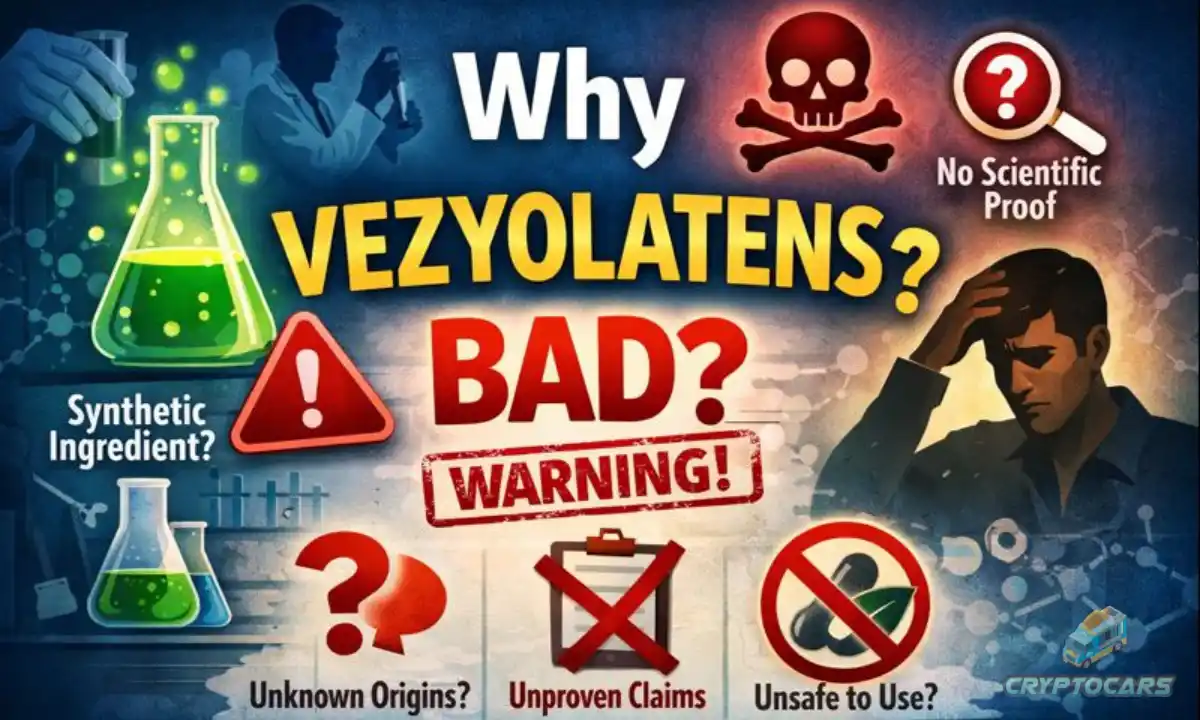
Is vezyolatens safe to eat becomes the first question on your mind, especially when you are trying to protect your health or manage a sensitive stomach. It is completely normal to feel cautious when a product uses unfamiliar terminology.
Many people assume that anything sold on store shelves must be thoroughly tested, but the reality of food labeling and ingredient approval is more layered than it appears.
The safest approach is to pause, verify the information through official channels, and follow a clear checklist before consuming anything unfamiliar.
Understanding the Term: What Exactly Is Vezyolatens?
When you search for is vezyolatens safe to eat, you will quickly notice that the term does not appear in major scientific databases, FDA ingredient registries, or peer reviewed food journals.
In many cases, unusual names like this originate from brand specific blends, misspelled ingredients, or newly marketed compounds that have not yet been widely recognized by health authorities.
If you found this term on a product label, it may be a proprietary name rather than a standard food ingredient. Always check the full ingredient list for familiar components that match the marketing description.
Current Food Safety Status and Regulatory Guidance
Food safety in the United States relies on a clear approval process managed by federal agencies. Any substance added to food must meet strict standards before it reaches consumers.
Below is a quick reference table showing how common approval pathways work:
| Approval Type | What It Means |
|---|---|
| Food Additive Petition | Requires full safety testing and official authorization before market use |
| GRAS status | Recognized by experts as safe based on long term consumption data |
| Dietary Supplement Notification | Manufacturers must notify regulators before selling, but pre market approval is not always required |
If vezyolatens does not appear in official registries, it likely has not gone through formal safety evaluation. That does not automatically mean it is dangerous, but it does mean you should proceed with caution.
Potential Risks and What Science Says
When a substance lacks published research, health experts recommend treating it as unverified until proven otherwise.
Potential concerns include unknown allergenicity testing results, unclear dosage thresholds, and possible interactions with medications. I have worked with clients who experienced mild digestive discomfort after trying newly marketed ingredients that later turned out to be poorly studied. Always prioritize transparency.
If a manufacturer cannot clearly explain what the compound is, where it comes from, or how it was tested, it is better to skip it entirely.
How to Verify If Any New Ingredient Is Safe
- Search the official Food and Drug Administration database for ingredient approvals
- Look for GRAS status documentation from recognized scientific panels
- Check if the product includes batch testing results or third party lab verification
- Read the full nutritional labels to identify familiar base ingredients
- Avoid products that use vague marketing language without scientific references
Red Flags to Watch For
- No clear manufacturer contact information
- Claims of miraculous benefits without clinical studies
- Missing ingredient percentages or sourcing details
When to Consult a Healthcare Professional
If you have pre existing conditions, take daily medications, or manage food sensitivities, always run new ingredients past a qualified provider.
I recommend keeping a simple food journal when testing anything unfamiliar. Note the date, amount consumed, and any physical responses over the next forty eight hours.
Food Safety Alert
Frequently Asked Questions
About Vezyolatens
Important consumer guidance regarding an unverified food ingredient
🛡️
Consumer Safety Notice: Vezyolatens has not been verified by major food safety authorities including the FDA, EFSA, or WHO. Until peer-reviewed research and regulatory approval are available, exercise caution. When in doubt: do not consume. Your health is worth more than curiosity.
🔍 Trusted Resources for Food Safety Verification:
- U.S. FDA: fda.gov/food
- EFSA (EU): efsa.europa.eu
- WHO Food Safety: who.int/health-topics/food-safety
- GRAS Notice Inventory: fda.gov/food/generally-recognized-safe-gras
💡 Stay Informed, Stay Safe: You have the right to know what’s in your food.
Ask questions. Demand transparency. Trust verified science. Your wellness matters.
Your doctor can cross reference the ingredient with your medical history and provide personalized guidance. Never rely solely on influencer reviews or unverified blog posts when your health is on the line.
Final Thoughts on Is Vezyolatens Safe to Eat
At this time, there is no verified scientific data confirming the safety or composition of vezyolatens.
The responsible choice is to wait for official regulatory clearance or choose well researched alternatives that have stood the test of time.
Food safety is not about fear, it is about informed confidence. By using official databases, reading labels carefully, and consulting professionals when needed, you can protect yourself while exploring new products.
When in doubt, transparency always wins.
Sources:
• Food and Drug Administration — https://www.fda.gov
• National Institutes of Health Office of Dietary Supplements — https://ods.od.nih.gov
• World Health Organization Food Safety Programme — https://www.who.int/health-topics/food-safety