Ever stood in the frozen seafood aisle, staring at two nearly identical white fillets labeled swai and tilapia, wondering which one to toss in your cart?
You’re not alone. Both are affordable, mild-tasting, and versatile—but they’re not interchangeable in every way.
Whether you’re meal-prepping, cooking for picky eaters, or exploring budget-friendly proteins, knowing the real differences helps you choose with confidence.
Let’s break it down so your next fish dinner is delicious, safe, and exactly what you intended.
What Is Swai?
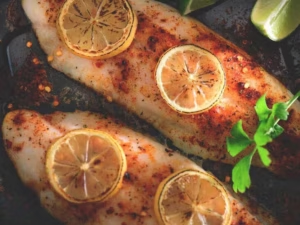
Swai is a white-fleshed fish from the Pangasius catfish family, native to the Mekong River basin in Vietnam and Thailand . It’s farmed intensively in freshwater ponds and often exported frozen as skinless fillets.
Swai has a mild, slightly sweet flavor with a tender, flaky texture that absorbs sauces and seasonings well.
You might also see it labeled as “basa,” “tra,” or “pangasius”—all referring to the same family of fish. Its low price point makes it a popular choice for budget-conscious shoppers.
What Is Tilapia?

Tilapia is a freshwater fish from the Oreochromis genus, farmed worldwide—from the U.S. and China to Latin America and Africa.
It has a clean, mild taste with a firmer, meatier texture than swai. Tilapia is incredibly versatile: it holds up well to grilling, baking, frying, and bold seasonings.
Because it’s raised in diverse systems (ponds, tanks, recirculating farms), quality can vary. Look for certifications like Best Aquaculture Practices (BAP) to ensure responsible sourcing.
Swai vs Tilapia: Key Differences
While both are mild white fish, three core areas set them apart.
Origin and Farming Methods
- Swai: Primarily farmed in Vietnam’s Mekong Delta; often raised in high-density river cages
- Tilapia: Farmed globally in ponds, tanks, and recirculating systems; more varied production standards
Farming practices impact sustainability and safety—more on that below.
Taste and Texture Comparison
Swai is exceptionally mild with a soft, delicate flake that can fall apart if overcooked. Tilapia has a slightly more pronounced flavor—clean and neutral—with a firmer bite that holds shape better during cooking.
If you prefer a “blank canvas” fish, choose swai. If you want structure for grilling or bold sauces, tilapia wins.
Nutrition: Protein, Fat, and Omega-3s
Both are lean, high-protein choices. A 3-ounce cooked serving offers:
- Calories: Swai ~90; Tilapia ~110
- Protein: Both provide 20–22 grams
- Fat: Swai ~2g; Tilapia ~3g
- Omega-3s: Swai ~100mg; Tilapia ~150mg
Neither is a powerhouse for omega-3s like salmon, but both fit well into a balanced diet. Tilapia edges ahead slightly in heart-healthy fats.
Safety and Sustainability Considerations
Both fish have faced scrutiny over farming practices. Here’s what to know.
Antibiotics and Contaminant Concerns
Some imported swai has tested for antibiotic residues or contaminants due to less-regulated farming in certain regions [[3]]. Tilapia from reputable sources is generally low-risk. The FDA monitors imports, but you can reduce concerns by:
- Choosing fillets with BAP, ASC, or MSC certifications
- Buying from trusted brands or U.S.-farmed tilapia
- Rinsing fillets and cooking to 145°F internal temperature
Eco-Ratings and Certifications to Look For
Check seafood guides for sustainability ratings:
- Seafood Watch: Lists U.S.-farmed tilapia as a “Best Choice”; some imported swai as “Avoid”
- BAP Certification: Verifies responsible feed, water quality, and labor practices
- Country of Origin Labeling: Prefer U.S., Canada, or Ecuador for tilapia; Vietnam swai with BAP rating
When in doubt, ask your fishmonger or check brand websites for sourcing details.
Price, Availability, and Labeling Tips
Swai is often the budget option—typically $3–5 per pound frozen. Tilapia ranges $5–8 per pound, with U.S.-farmed versions at the higher end. To get the best quality:
- Check the ingredient list: it should say only “swai” or “tilapia,” no added sodium solutions
- Avoid fillets with ice crystals or freezer burn
- Look for “previously frozen” if buying fresh-case fillets—they’re often thawed frozen product
Pro tip: Buy frozen fillets individually wrapped for easy portion control.
Best Cooking Methods for Each Fish
Match the fish to your recipe for best results.
When to Choose Swai
- Gentle preparations: steaming, poaching, or light pan-searing
- Recipes with bold sauces: curry, lemon-butter, or tomato-based dishes
- Budget meal prep: tacos, rice bowls, or casseroles where texture is less critical
- Kid-friendly meals: mild flavor appeals to picky eaters
When to Choose Tilapia
- High-heat cooking: grilling, blackening, or air-frying
- Recipes needing structure: fish sandwiches, kebabs, or stuffed fillets
- Health-focused meals: higher protein-to-fat ratio supports fitness goals
- When sustainability is a priority: choose certified U.S. or Latin American sources
Simple Substitution Guide
| If the recipe calls for… | You can substitute with… | Note |
|---|---|---|
| Swai | Tilapia | Cooking time may increase slightly; tilapia holds shape better |
| Tilapia | Swai | Handle gently to prevent flaking; reduce cook time by 1–2 minutes |
Swai vs Tilapia: Your Questions Answered
Discover the key differences between two popular white fish—from nutrition to cooking tips.
🐟
Swai vs Tilapia: Quick Comparison
| Feature | Swai | Tilapia |
|---|---|---|
| Origin | Vietnam (Mekong Delta) | Global (China, US, Latin America) |
| Flavor | Ultra-mild, slightly sweet | Clean, neutral, slightly nutty |
| Texture | Soft, delicate, flaky | Firm, meaty, holds shape well |
| Best Cooking Methods | Baking, poaching, curries | Grilling, frying, tacos |
| Sustainability Note | Look for ASC/BAP certified | Look for US-farmed or ASC certified |
💡
Pro Tip for Cooking White Fish
Pat fillets dry before cooking! This ensures better browning and prevents steaming. For swai, use gentle heat and avoid overcooking—it flakes apart easily. For tilapia, you can use higher heat for a crispier exterior. Always cook to an internal temperature of 145°F.
Sources:
● Healthline — https://www.healthline.com
● Seafood Watch — https://www.seafoodwatch.org
● The Kitchn — https://www.thekitchn.com

Sarah is a lifestyle and celebrity health writer who explores the intersection of fame, wellness, and personal stories. She researches trending topics and public figures to deliver engaging, well-sourced content that answers the questions readers are actually searching for — from celebrity health routines to lifestyle insights.