One bite of the wrong food could mean months of extra treatment time—and nobody wants that! Whether you’re a teen navigating high school lunchrooms or an adult adjusting to life with braces, knowing which foods to avoid is crucial for protecting your investment and staying on schedule.
Unfortunately, many braces wearers don’t realize that seemingly innocent snacks can bend wires, pop off brackets, and cause painful emergencies.
The good news? With the right knowledge, you can avoid these pitfalls completely. Below, you’ll find your complete, practical guide including a free printable list of foods you can’t eat with braces to help you sail through treatment without setbacks.
Why Certain Foods Damage Braces

Braces are precision orthodontic appliances designed to apply gentle, consistent pressure to move your teeth. But they’re not indestructible.
When you bite into hard, sticky, or chewy foods, you risk damaging three key components: the brackets bonded to your teeth, the archwire that connects them, and the tiny elastic ligatures that hold everything together.
⚠️ The Real Cost of Breaking Braces
- Broken brackets stop tooth movement in that area
- Bent wires cause pain and can move teeth in the wrong direction
- Emergency visits disrupt your regular adjustment schedule
- Extended treatment time: Each break can add 2-6 months to your total treatment
- Additional costs: Some orthodontists charge for excessive repairs
Complete List of Foods You Can’t Eat with Braces
❌ Hard and Crunchy Foods
- Nuts: Almonds, peanuts, cashews, pistachios, walnuts (all varieties)
- Hard candies: Lollipops, jawbreakers, butterscotch, cough drops
- Ice: Never chew ice—it’s one of the fastest ways to break brackets!
- Hard pretzels and chips: Tortilla chips, corn chips, hard pretzel rods
- Raw hard vegetables: Whole carrots, radishes (unless cut very small and cooked)
- Hard taco shells: Choose soft tortillas instead
- Granola and granola bars: Too hard and sticky
- Hard crackers: Water crackers, crispbreads
🍬 Sticky and Chewy Foods
- Caramel and taffy: These will pull brackets right off your teeth
- Gummy candies: Gummy bears, worms, fruit snacks
- Chewing gum: Unless it’s specifically orthodontic-approved (sugar-free, non-stick)
- Dried fruits: Raisins, dried apricots, fruit leather, dates
- Tootsie Rolls and similar chewy candies
- Marshmallows: Can get stuck and are difficult to clean out
- Bagels and hard rolls: Too chewy and dense
- Licorice: Both red and black varieties
🦷 Foods That Cause Decay Around Braces
- Sugary sodas: Coke, Pepsi, Mountain Dew (cause white spot lesions)
- Energy drinks and sports drinks: Gatorade, Red Bull (acidic + sugary)
- Fruit juice: Limit to mealtimes, rinse after
- Candy: Even soft candies bathe teeth in sugar
- Starchy foods: White bread, chips (stick to brackets and feed bacteria)
Foods That Require Special Preparation
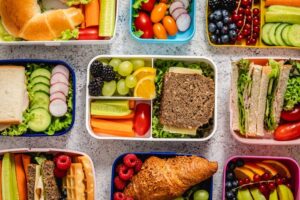
These foods aren’t completely off-limits, but you need to prepare them properly to avoid damaging your braces:
| Food | Problem | Safe Preparation |
|---|---|---|
| Apples | Hard, crunchy texture | Cut into thin slices or small chunks |
| Carrots | Very hard when raw | Cook until soft or grate finely |
| Corn on the cob | Biting into cob bends wires | Cut kernels off cob before eating |
| Pizza crust | Hard, chewy, crusty | Cut into small pieces, avoid crust |
| Ribs/bones | Tearing meat off bone | Cut meat off bone before eating |
| Whole grapes | Can get stuck | Cut in half or quarters |
Sneaky Foods That Surprise Braces Wearers
These foods might seem harmless but frequently cause problems:
- Popcorn: Unpopped kernels are bracket-breakers, and hulls get stuck everywhere
- Seeded breads: Seeds lodge under wires and are nearly impossible to remove
- Coconut: Shredded or flaked coconut is surprisingly hard and sticky
- Beef jerky: Extremely tough and chewy—requires serious force to tear
- Hard pizza crust: The crispy edge can pop brackets when you bite into it
- Crusty artisan bread: French bread, sourdough boules (too hard on the outside)
- Chewy granola bars: The combination of sticky and hard is worst for braces
Your Free Printable List of Foods You Can’t Eat with Braces PDF
Want a quick-reference guide for your fridge, backpack, or phone? Our clean, minimalist food list PDF includes:
- Complete “Don’t Eat” list organized by category
- “Safe to Eat” alternatives for favorite foods
- School lunch ideas that are braces-friendly
- Emergency contact card for your orthodontist
- Visual guide showing what damage looks like
Note: While we can’t attach files directly here, search “foods to avoid with braces PDF” for printable versions from orthodontic associations, or use the lists above to create your own personalized reference.
Braces-Friendly Food Alternatives
Just because you have braces doesn’t mean you’re stuck eating only mashed potatoes! Here are delicious, safe alternatives:
✅ Safe Snacks
- Dairy: Yogurt, soft cheese, cottage cheese, pudding
- Fruits: Bananas, berries, sliced peaches, applesauce
- Vegetables: Steamed veggies, hummus, guacamole
- Grains: Soft bread (no seeds), pasta, rice, pancakes
- Protein: Scrambled eggs, soft fish, ground beef, tofu
- Treats: Ice cream (no nuts), chocolate (melted), gelatin
School Lunch Ideas
| Day | Braces-Friendly Lunch |
|---|---|
| Monday | Yogurt parfait (no granola), soft cheese stick, banana |
| Tuesday | Pasta salad (small noodles), steamed carrots, pudding cup |
| Wednesday | Tuna salad sandwich (soft bread, crusts removed), applesauce |
| Thursday | Scrambled eggs, soft tortilla with cheese, berries |
| Friday | Mac and cheese, steamed broccoli, fruit smoothie |
What to Do If You Break Your Braces
Despite your best efforts, accidents happen. Here’s what to do:
🚨 Emergency Steps
- Stay calm and assess the damage
- Save any broken pieces in a baggie to bring to your orthodontist
- Apply orthodontic wax to any sharp edges to prevent cuts
- Call your orthodontist immediately to schedule a repair appointment
- Stick to soft foods until your appointment
- Use over-the-counter pain relievers if needed (ibuprofen or acetaminophen)
When to seek immediate care:
-
- Wire is poking and causing bleeding or severe pain
- Multiple brackets have broken off
- You’re having trouble breathing or swallowing (rare but serious)
- Severe pain that doesn’t respond to pain relievers
FAQs: Your Wisdom Teeth Questions Answered
Evidence-based aftercare guidance to support safe, comfortable healing.
📅
Quick Healing Timeline
Soft foods only • No straws • Rest
Gradual reintroduction • Saltwater rinses
Return to normal • Follow surgeon’s guidance
⚠️ Medical Disclaimer: This content is for informational purposes only and is not a substitute for professional medical advice. Always follow the specific post-operative instructions provided by your oral surgeon or dentist. Contact your provider immediately if you experience severe pain, fever, excessive bleeding, or signs of infection.
Final Thoughts: Protect Your Braces and Your Smile
Following this list of foods you can’t eat with braces isn’t just about avoiding emergencies—it’s about protecting your investment, staying on schedule, and getting the beautiful smile you deserve as quickly as possible.
Yes, it requires some adjustments to your eating habits, but it’s temporary. In 18-24 months, you’ll have straight teeth and can enjoy whatever you want!
In the meantime, get creative with braces-friendly alternatives, prep your food properly, and don’t be afraid to ask for help at restaurants.
Keep your orthodontist’s number handy, use orthodontic wax when needed, and remember: every time you choose a braces-safe food, you’re one step closer to your dream smile.
Ready to navigate braces like a pro? Download a printable list of foods you can’t eat with braces from your orthodontist’s website or create your own using the comprehensive lists above.
Post it on your fridge, share it with your family, and keep yourself on track for on-time results. Your future self will thank you!
Sources:
American Association of Orthodontists — https://www.aaoinfo.org/faq/what-foods-should-i-avoid-with-braces/
WebMD — https://www.webmd.com/oral-health/braces-diet
Colgate — https://www.colgate.com/en-us/oral-health/braces/foods-to-avoid-with-braces

- Human biotechnology & applied life sciences
- Evidence-based health & wellness insights
- Scientific research interpretation for non-specialist audiences
- Emerging trends in biotech, nutrition, and preventive care