Every year, close to 5 million wisdom teeth extractions happen across the United States. If you or someone you love is recovering from this common oral surgery, you know that first meal feels tricky.
Your mouth is tender, your jaw is stiff, and the last thing you want is to accidentally hurt your healing sockets.
The good news? Eating well during recovery doesn’t have to be complicated or boring. With the right list of soft foods to eat after wisdom teeth removal, you can stay nourished, comfortable, and even enjoy your meals while your body heals.
Let’s walk through exactly what to eat, when to eat it, and how to make your recovery smoother—one gentle bite at a time.
Why Your Post-Surgery Diet Matters
After wisdom teeth removal, your body forms a delicate blood clot in each extraction site. This clot acts like a natural bandage, protecting the bone and nerves underneath while new tissue grows.
Disrupting this clot—by chewing too soon, using a straw, or eating the wrong foods—can lead to a painful complication called dry socket.
That’s why your wisdom teeth recovery diet isn’t just about comfort; it’s a key part of preventing complications and speeding up healing.
Most people recover fully within 3 days to 2 weeks, but nutrition plays a starring role the entire time.
Your body needs extra protein for tissue repair, vitamin C to reduce inflammation, and zinc to support wound healing. Staying hydrated is equally important. Think of your post-surgery meals as gentle fuel for your body’s repair crew.
The Complete Soft Foods List (Organized by Category)
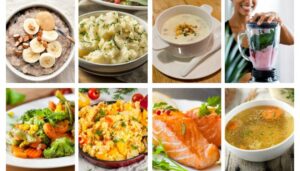
Here’s your go-to list of soft foods to eat after wisdom teeth removal, grouped by texture and recovery stage. All options are easy to swallow, require minimal chewing, and support healing.
Liquids & Smooth Options (Days 1-2)
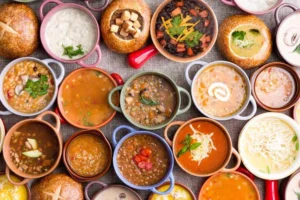
- Blended soups: Tomato, pumpkin, or butternut squash (served lukewarm or cool)
- Bone broth or vegetable broth: Rich in amino acids that may support anti-inflammatory healing
- Smoothies: Use seedless fruits like bananas or mangoes; avoid berries with tiny seeds
- Protein shakes or milkshakes: Skip the straw—sip gently from a cup to protect blood clots
Dairy & Protein-Rich Foods
- Greek yogurt: Packed with protein, calcium, and zinc for tissue repair
- Cottage cheese: Soft, high-protein, and easy to customize with fruit puree
- Scrambled eggs: Introduce on day 2 or 3; keep them fluffy and well-cooked
- Soft cheeses: Ricotta, brie, or cream cheese spread on soft bread (later in recovery)
- Tofu or soft fish: Silken tofu or flaky salmon provide gentle, high-quality protein
Fruits & Vegetables
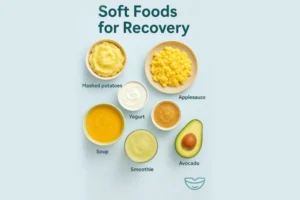
- Applesauce: A classic for a reason—vitamin C supports healing and it’s naturally soothing
- Mashed bananas: Potassium-rich and easy to digest
- Avocado or guacamole: Healthy fats reduce inflammation; mash until completely smooth
- Mashed potatoes: Comforting, calorie-dense, and customizable with broth or butter
- Pureed vegetables: Carrots, squash, or pumpkin blended until silky
Grains & Carbohydrates
- Instant oatmeal: Wait until day 3; choose plain varieties and stir in mashed banana
- Cream of wheat or grits: Warm, soothing, and easy to swallow
- Soft pasta: Mac and cheese or well-cooked noodles cut into tiny pieces
- Rice pudding: A gentle, slightly sweet option rich in carbohydrates for energy
- Soft pancakes or waffles: Soak with syrup or yogurt to soften further
💡 Pro Tip: Cultural Comfort Foods
Recovery doesn’t mean giving up your favorite flavors. Try congee (Asian rice porridge), dal (Indian lentil soup blended smooth), or atole (a warm, corn-based Mexican drink). These culturally familiar options provide comfort and nutrition while staying gentle on healing sockets.
Comfort Foods & Treats
- Ice cream or frozen yogurt: Choose smooth varieties without chunks, chips, or nuts
- Pudding or custard: Easy to swallow and satisfyingly sweet
- Gelatin (Jell-O): Hydrating and gentle; opt for low-sugar versions if preferred
- Banana ice cream: Blend frozen bananas for a dairy-free, nutrient-rich treat
- Hummus: Smooth, protein-packed, and delicious with soft pita (later in recovery)
Day-by-Day Recovery Food Timeline
Knowing when to introduce different textures helps you heal confidently. Here’s a simple guide based on typical recovery stages.
Days 1-2: Liquids & Very Soft Foods
Focus on cool or lukewarm options that require zero chewing. Your priority is protecting the blood clot while staying hydrated and nourished.
- Broths, blended soups, applesauce, smoothies, yogurt
- Avoid anything hot—heat can disrupt clot formation
Days 3-5: Introducing Semi-Soft Foods
As swelling decreases, you can gently add foods that need minimal chewing. Always chew on the opposite side of your extraction sites.
- Scrambled eggs, mashed potatoes, soft pasta, oatmeal
- Continue with smoothies and soups for balanced nutrition
Days 6-7: Gradual Transition
If healing is progressing well, introduce tender proteins and well-cooked vegetables.
- Flaky salmon, shredded chicken, steamed carrots, soft-cooked zucchini
- Still avoid anything crunchy, chewy, or seedy
Week 2: Returning to Normal Diet
Most people can resume regular eating between days 7-10, but listen to your body. If something feels uncomfortable, wait another day or two.
Foods to Avoid After Wisdom Teeth Removal
Steering clear of certain foods is just as important as choosing the right ones. Here’s what to skip—and why.
First 24-48 Hours
- Hot foods or drinks: Heat can dissolve the blood clot before it stabilizes
- Anything requiring chewing: Even soft chewing can disturb healing sockets
First 7-10 Days
- Crunchy foods: Chips, popcorn, nuts, or raw veggies can scratch extraction sites
- Spicy foods: May irritate tender gums and increase swelling
- Seeds and small grains: Quinoa, sesame seeds, or berry seeds can get trapped in sockets
- Chewy foods: Bagels, steak, or tough bread require jaw movement that stresses healing areas
- Alcohol and carbonated drinks: Can interfere with medications and delay healing
Critical Don’ts
- NO straws: Suction can dislodge blood clots and trigger dry socket
- NO smoking or vaping: Significantly increases dry socket risk and slows healing
- NO vigorous rinsing or spitting: Gentle care only for the first week
Nutrition Tips for Faster Healing
Smart food choices do more than fill your stomach—they actively support your body’s repair process.
- Protein: Aim for 0.8-1g per pound of bodyweight daily from yogurt, eggs, tofu, or soft fish
- Vitamin C: Boosts immunity and reduces inflammation; choose citrus-free sources like mashed sweet potato or blended bell pepper soup
- Zinc: Found in Greek yogurt, eggs, and soft meats; promotes wound closure
- Omega-3 fatty acids: Anti-inflammatory benefits from salmon, avocado, or flaxseed oil blended into smoothies
- Hydration: Water is best. Sip frequently throughout the day
Meal Prep & Planning Guide
Preparing ahead reduces stress when you’re not feeling your best. Try these simple strategies:
- Stock up before surgery: Buy yogurt, broth, applesauce, and frozen fruit for smoothies
- Batch-cook and freeze: Make large pots of blended soup; freeze in single-serving containers
- Pre-portion smoothie packs: Combine frozen fruit, spinach, and protein powder in bags; just blend with liquid when ready
- Keep no-cook options handy: Cottage cheese, pudding cups, and pre-made protein shakes require zero effort
Special Dietary Needs
Your recovery diet can work with almost any eating preference or restriction.
- Vegan/Vegetarian: Tofu, hummus, lentil soup (blended smooth), plant-based protein shakes, dairy-free yogurt
- Gluten-Free: Rice, quinoa, certified GF oats, naturally gluten-free whole foods
- Diabetic: Focus on protein-rich options; monitor carb intake in smoothies and oatmeal
- Lactose-Intolerant: Choose lactose-free yogurt, coconut-based smoothies, or almond milk pudding
How to Handle Common Challenges
Getting Food Out of Extraction Sites
It’s normal for tiny food particles to settle in healing sockets. Here’s the safe way to clean them:
- Wait at least 24 hours before any rinsing
- Use a gentle saltwater rinse (1/2 teaspoon salt in 8 oz warm water)
- Let the water fall out of your mouth—never spit forcefully
Managing Loss of Appetite
Pain medications or swelling can reduce hunger. Try these gentle approaches:
- Eat small amounts every 2-3 hours instead of three large meals
- Prioritize nutrient-dense smoothies with protein powder, avocado, or nut butter
- Cold foods often feel more soothing than warm ones in the first 48 hours
Eating at Work or School
Recovery doesn’t always mean staying home. Pack these discreet, no-mess options:
- Single-serve yogurt cups or applesauce pouches
- Pre-made protein shakes in a spill-proof bottle
- Soft cheese sticks or pre-portioned hummus with very soft pita
FAQ
FAQs: Your Wisdom Teeth Questions Answered
Evidence-based aftercare guidance to support safe, comfortable healing.
📅
Quick Healing Timeline
Soft foods only • No straws • Rest
Gradual reintroduction • Saltwater rinses
Return to normal • Follow surgeon’s guidance
⚠️ Medical Disclaimer: This content is for informational purposes only and is not a substitute for professional medical advice. Always follow the specific post-operative instructions provided by your oral surgeon or dentist. Contact your provider immediately if you experience severe pain, fever, excessive bleeding, or signs of infection.
Warning Signs: When to Call Your Dentist
Contact your oral surgeon right away if you notice:
- Severe pain not relieved by prescribed medication
- Bleeding that continues heavily beyond 24 hours
- Fever, chills, or sudden increase in swelling
- Pus, bad taste, or foul odor from the extraction site
- Intense throbbing pain that radiates to your ear (possible dry socket)
Recovering from wisdom teeth removal is a short-term journey with a clear finish line. By choosing the right soft foods after tooth extraction, protecting your healing sockets, and listening to your body, you’ll feel like yourself again before you know it.
Keep this list of soft foods to eat after wisdom teeth removal handy, prep a few meals ahead of time, and give yourself grace during the healing process. You’ve got this—and your future, pain-free smile is worth every gentle bite.
Sources:
American Association of Oral and Maxillofacial Surgeons — https://www.aaoms.org
Healthline — https://www.healthline.com
Medical News Today — https://www.medicalnewstoday.com

- Human biotechnology & applied life sciences
- Evidence-based health & wellness insights
- Scientific research interpretation for non-specialist audiences
- Emerging trends in biotech, nutrition, and preventive care