You are rushing to make morning coffee, warm up cocoa, or prepare a quick recipe, and you reach for the milk. But then you pause: can you microwave milk? Will it scorch, curdle, or lose nutrients?
The short answer is yes, you can microwave milk safely—but technique matters. With the right approach, your microwave becomes a fast, reliable tool for heating milk without compromising taste, texture, or nutrition.
Let me walk you through everything you need to know to microwave milk like a pro, from timing and temperature to troubleshooting common issues.
Can You Microwave Milk: The Short Answer
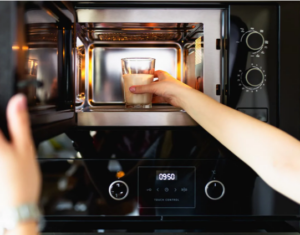
Yes, you can microwave milk safely when done correctly. Heat milk in short 15 to 30 second intervals at medium power (50 to 70%), stirring between each burst, until it reaches your desired temperature.
Avoid boiling or overheating, which can cause scorching, curdling, or nutrient loss.
For infant formula or breast milk, follow pediatric guidelines: warm in a water bath instead of microwaving to eliminate dangerous hot spots.
Understanding Milk and Microwave Heating Basics
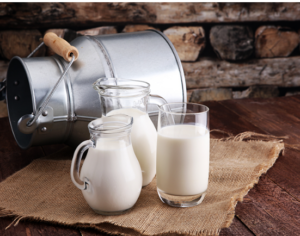
Milk is more complex than water, and microwaves heat unevenly. Understanding the science helps you avoid common pitfalls.
How Microwaves Heat Liquids: The Science Simplified
Microwave heating works by exciting water molecules with electromagnetic radiation, generating heat from the outside of the liquid inward.
Unlike stovetop heating, microwaves do not heat evenly, which can create hot spots—areas significantly hotter than the average temperature. Stirring redistributes heat and prevents localized overheating.
Why Milk Behaves Differently Than Water
Milk contains proteins, fats, and sugars that react to heat differently than pure water. Milk proteins like casein and whey can denature and curdle when heated too quickly or above 170°F (77°C).
Fats can separate or form a skin on the surface. Lactose (milk sugar) can caramelize or scorch at high temperatures. Gentle, controlled heating preserves milk’s smooth texture and flavor.
Factors That Affect Microwave Heating Success
- Milk fat content: Whole milk heats more evenly than skim due to fat’s heat-buffering effect
- Container material: Glass or ceramic microwaves evenly; plastic may leach chemicals or melt
- Microwave wattage: Higher wattage (1000W+) heats faster; adjust time accordingly
- Volume of milk: Larger quantities require longer, gentler heating with more frequent stirring
- Starting temperature: Cold milk from the fridge needs more time than room-temperature milk
How to Microwave Milk Safely: Step-by-Step Guide
Follow these steps for perfectly heated milk every time.
Choosing the Right Container
- Use microwave-safe glass or ceramic: Avoid metal, aluminum foil, or non-labeled plastics
- Choose a wide, shallow container: Promotes even heating and reduces overflow risk
- Leave headspace: Fill no more than two-thirds full to allow for expansion and stirring
- Cover loosely: Use a microwave-safe lid or paper towel to minimize splatter while allowing steam to escape
Timing and Power Settings by Milk Type
| Milk Type | Power Setting | Time per 8oz (240ml) |
|---|---|---|
| Whole dairy milk | Medium (50 to 70%) | 45 to 75 seconds total, in 15-second bursts |
| Skim or low-fat dairy | Medium-Low (40 to 60%) | 30 to 60 seconds total, in 15-second bursts |
| Plant-based milks | Medium (50 to 70%) | 30 to 60 seconds total, in 15-second bursts |
| Breast milk or formula | Do not microwave | Warm in water bath instead (see safety section) |
Stirring Techniques to Prevent Hot Spots
- Heat milk in short 15 to 30 second intervals at medium power.
- After each interval, remove the container and stir thoroughly with a clean spoon.
- Check temperature by dipping a clean finger or using a food thermometer (ideal: 140 to 150°F for drinking).
- Repeat until desired warmth is reached; do not exceed 170°F to avoid curdling.
- Let milk rest 30 seconds after final heating to allow temperature to equalize.
Microwave Times for Different Milk Types
Not all milks heat the same way. Adjust your approach based on type.
Dairy Milks: Whole, 2%, Skim, and Lactose-Free
- Whole milk: Highest fat content buffers heat; least prone to curdling; heat gently to preserve creaminess
- 2% or reduced-fat: Moderate fat; follow whole milk guidelines but watch closely for skin formation
- Skim milk: Lowest fat; heats fastest and curdles most easily; use lower power and shorter bursts
- Lactose-free milk: Similar to regular dairy; may brown slightly faster due to added enzymes
Plant-Based Milks: Almond, Oat, Soy, and Coconut
| Plant Milk | Heating Notes | Special Considerations |
|---|---|---|
| Almond milk | Heats quickly; can separate if overheated | Stir well; avoid boiling to maintain smooth texture |
| Oat milk | Naturally creamy; tolerates heat well | May thicken slightly when heated; thin with water if needed |
| Soy milk | Protein-rich; can curdle in acidic drinks | Heat gently; add to coffee after cooling slightly to prevent curdling |
| Coconut milk (carton) | High fat; heats evenly but can separate | Stir vigorously after heating to re-emulsify fats |
Specialty Milks: Breast Milk and Infant Formula
Do not microwave breast milk or infant formula. The USDA and pediatric experts warn that microwaves create dangerous hot spots that can scald a baby’s mouth, even if the bottle feels cool externally.
Additionally, overheating can destroy beneficial antibodies and nutrients in breast milk.
Safe warming method:
- Place the sealed bottle in a bowl of warm (not hot) water for 5 to 10 minutes
- Gently swirl the bottle to distribute heat evenly
- Test temperature on your wrist before feeding; it should feel lukewarm, not hot
- Never refreeze or reheat previously warmed breast milk or formula
Does Microwaving Milk Destroy Nutrients?
Microwaving milk causes minimal nutrient loss when done properly.
Most vitamins and minerals in milk are heat-stable. Nutrient retention is actually higher with microwaving than prolonged stovetop heating because microwaves heat quickly, reducing exposure time to heat.
Minor considerations:
- Vitamin B12: Slightly heat-sensitive; brief microwaving causes negligible loss
- Proteins: Denaturation occurs above 170°F but does not reduce nutritional value; may affect texture
- Antibodies in breast milk: Heat-sensitive; avoid microwaving to preserve immune benefits
- Probiotics in fermented milks: Killed by heat; add kefir or yogurt after heating other ingredients
Bottom line: For standard dairy or plant milks, microwaving is a nutrient-friendly heating method when used correctly.
Common Problems and How to Fix Them
Even with care, issues can arise. Here is how to troubleshoot.
Preventing Scorching and Skin Formation
| Problem | Why It Happens | Solution |
|---|---|---|
| Scorched bottom or edges | Overheating or high power setting | Use medium power; stir frequently; heat in short bursts |
| Skin forming on surface | Proteins coagulating at air-liquid interface | Cover loosely while heating; stir immediately after heating |
| Burnt smell or taste | Lactose caramelizing at high heat | Keep temperature below 180°F; use lower power settings |
Avoiding Curdling in Coffee or Acidic Drinks
Milk curdles when proteins denature rapidly in acidic or very hot environments. To prevent this:
- Heat milk gently to no more than 150°F before adding to coffee or tea
- Add milk to acidic drinks gradually while stirring, rather than pouring all at once
- Choose higher-fat milks (whole dairy, oat, or coconut) which resist curdling better
- Let very hot coffee cool 30 to 60 seconds before adding milk
Stopping Overflow and Messes
Milk can foam and overflow rapidly in microwaves due to protein and fat content. Prevent messes with these tips:
- Use a container at least twice the volume of milk you are heating
- Place a microwave-safe spoon or chopstick in the container to disrupt foam formation
- Heat in shorter intervals (10 to 15 seconds) with frequent stirring
- Stop heating just before milk reaches a simmer; residual heat will finish warming it
Microwaving Milk for Specific Uses
Tailor your technique to your end goal.
For Coffee and Tea: Perfect Temperature Tips
Ideal milk temperature for coffee or tea is 140 to 150°F—hot enough to blend smoothly but not so hot that it curdles or scalds.
Heat milk to this range using the step-by-step method above, then add to your beverage immediately. For frothed milk, heat first, then froth with a handheld frother or French press.
For Cooking and Baking: When Microwave Works Best
Microwaving milk works well for recipes requiring warm (not hot) milk, such as yeast doughs, custards, or hot cereals.
Advantages include speed and precise temperature control. For recipes requiring scalded milk (to deactivate enzymes), stovetop heating is still more reliable.
For Babies: Safety Guidelines and Alternatives
As noted earlier, do not microwave breast milk or infant formula. Use a warm water bath instead. For toddlers drinking cow’s milk, microwave gently using the standard method, then test temperature thoroughly before serving. Always stir well and check for hot spots.
Alternatives to Microwaving Milk
If microwaving does not suit your needs, consider these methods:
| Method | Best For | Time Estimate |
|---|---|---|
| Stovetop (saucepan) | Large quantities, precise temperature control | 3 to 5 minutes with constant stirring |
| Electric milk frother | Coffee drinks, small servings | 1 to 2 minutes with auto shut-off |
| Warm water bath | Breast milk, formula, gentle warming | 5 to 10 minutes with occasional swirling |
| Steam wand (espresso machine) | Barista-quality frothed milk | 30 to 60 seconds with practice |
Final Tips for Perfectly Heated Milk Every Time
Master microwaving milk with these pro tips:
- Start low and slow: Medium power and short intervals prevent overheating
- Stir like it is your job: Frequent stirring is the single most important step for even heating
- Use a thermometer: A $10 food thermometer takes the guesswork out of temperature control
- Know your microwave: Wattage varies; adjust times based on your appliance’s power
- When in doubt, underheat: You can always warm milk further, but you cannot undo scorching
Frequently Asked Questions
▸
Is it safe to microwave milk?
Yes, it is safe to microwave milk for personal consumption when heated gently in short intervals with frequent stirring. However, do not microwave breast milk or infant formula due to risk of dangerous hot spots; warm these in a water bath instead.
▸
How long should you microwave milk?
Heat milk in 15 to 30 second intervals at medium power (50 to 70%), stirring between each burst. For 8oz (240ml) of dairy milk, total time is typically 45 to 75 seconds. Plant-based milks may heat slightly faster. Always check temperature and stop before boiling.
▸
Does microwaving milk kill nutrients?
Microwaving milk causes minimal nutrient loss when done properly. Most vitamins and minerals are heat-stable, and quick microwave heating may preserve nutrients better than prolonged stovetop heating. Avoid overheating to protect heat-sensitive components like vitamin B12 or breast milk antibodies.
▸
Why does milk curdle in the microwave?
Milk curdles when proteins denature rapidly due to high heat or acidity. Microwaves can create hot spots that trigger curdling. Prevent this by heating gently at medium power, stirring frequently, keeping temperature below 170°F, and adding milk gradually to acidic drinks like coffee.
Final Thoughts: Convenience Meets Care
So, can you microwave milk? Absolutely—with knowledge and care. Microwaving milk is a fast, efficient way to warm it for coffee, cooking, or comfort drinks when done correctly.
By understanding milk’s unique properties, using proper technique, and respecting safety guidelines (especially for infants), you can enjoy the convenience of your microwave without compromising quality or nutrition.
The next time you reach for that carton, heat with confidence. Your perfectly warmed milk is just seconds away.
Sources:
● U.S. Department of Agriculture — Safe Handling of Milk and Infant Formula Guidelines
● Journal of Food Science — Nutrient Retention in Microwave-Heated Dairy Products Research
● American Academy of Pediatrics — Breast Milk and Formula Warming Safety Recommendations

Sarah is a lifestyle and celebrity health writer who explores the intersection of fame, wellness, and personal stories. She researches trending topics and public figures to deliver engaging, well-sourced content that answers the questions readers are actually searching for — from celebrity health routines to lifestyle insights.