You notice something unusual when you brush your teeth: dark spots or patches on your tongue. It can feel alarming to see black spots on tongue, especially when you are not sure what caused them.
The good news is that most causes are harmless, temporary, and easily addressed. Understanding why these spots appear, knowing when to seek care, and taking simple steps for prevention can restore your confidence and oral health.
Let me walk you through the most common reasons for tongue discoloration, practical solutions you can try today, and clear guidance on protecting your smile long-term.
Black Spots on Tongue: The Short Answer
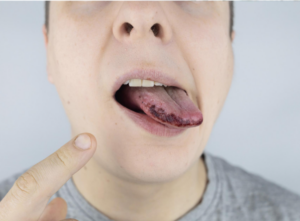
Most black spots on tongue are caused by harmless conditions like black hairy tongue, bacterial buildup, or staining from foods and habits.
These spots typically resolve with improved oral hygiene, hydration, and lifestyle adjustments.
However, persistent, painful, or changing spots warrant professional evaluation to rule out infections or other conditions requiring treatment.
Common Causes of Black Spots on Tongue
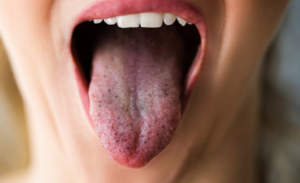
Understanding what causes tongue discoloration helps you address the root issue. These are the most frequent culprits behind dark spots or patches.
Black Hairy Tongue: What It Is and Why It Happens
Black hairy tongue is a benign condition where the tiny projections on your tongue, called lingual papillae, grow longer than usual and trap bacteria, food debris, or pigments.
This creates a dark, furry appearance that can look alarming but is usually painless. Factors that contribute include poor oral hygiene, smoking, dry mouth, certain medications, or frequent use of mouthwashes containing oxidizing agents.
Poor Oral Hygiene and Bacterial Buildup
When you do not clean your tongue regularly, bacteria and debris accumulate on its surface. Chromogenic bacteria, which produce dark pigments, can stain the tongue black, brown, or green.
This buildup is more common if you skip tongue brushing, have dental appliances, or struggle with consistent oral care routines.
Smoking, Coffee, and Dietary Staining
Tobacco, coffee, tea, red wine, and deeply colored foods can temporarily stain tongue papillae. Smoking also reduces saliva flow and alters oral bacteria, increasing discoloration risk.
These stains are usually superficial and fade with improved hygiene and reduced exposure to staining agents.
Medications and Dry Mouth Effects
Certain medications, including antibiotics, antidepressants, and blood pressure drugs, can cause xerostomia (dry mouth).
Reduced saliva means less natural cleansing of the tongue, allowing bacteria and pigments to accumulate. Bismuth-containing medications like Pepto-Bismol can also cause temporary black discoloration that resolves after stopping the medication.
Oral Thrush and Fungal Infections
Oral thrush, a fungal infection caused by Candida species, typically appears as creamy white patches but can sometimes present with darker discoloration, especially if mixed with food debris or blood.
Thrush is more common in people with weakened immune systems, diabetes, or those using inhaled corticosteroids.
Trauma, Piercings, or Geographic Tongue
Tongue piercings, accidental bites, or irritation from sharp teeth can cause localized dark spots as the area heals. Geographic tongue creates irregular smooth patches that may appear darker at the edges.
These conditions are usually harmless but can cause sensitivity or concern about appearance.
- Black hairy tongue typically affects the middle or back of the tongue
- Staining from food or smoking usually wipes off with gentle brushing
- Medication-related discoloration often appears suddenly after starting a new drug
- Fungal infections may cause burning, altered taste, or white patches alongside dark areas
- Trauma-related spots are usually localized and improve as the area heals
When Black Spots Signal a Need for Medical Care
Most tongue discoloration is harmless, but certain symptoms require professional evaluation. Seek medical or dental care if you experience:
- Spots that persist longer than two weeks despite improved hygiene
- Pain, burning, or difficulty eating, drinking, or speaking
- Bleeding, ulceration, or rapidly changing appearance
- Lumps, thickened areas, or spots that feel hard to the touch
- Accompanying symptoms like fever, unexplained weight loss, or swollen lymph nodes
These signs may indicate an infection, oral lesion, or other condition requiring diagnosis and treatment.
Quick Relief: What to Do at Home Right Now
While you monitor your symptoms or schedule an appointment, these steps can help improve tongue appearance and comfort:
- Gently brush your tongue twice daily with a soft toothbrush or use a tongue scraper to remove buildup.
- Stay well-hydrated to support saliva production, which naturally cleanses the tongue.
- Rinse with warm salt water (1/2 teaspoon salt in 1 cup warm water) to soothe irritation and reduce bacteria.
- Limit smoking, coffee, tea, and deeply colored foods temporarily to reduce staining.
- Review medications with your doctor or pharmacist to identify any that may contribute to dry mouth or discoloration.
These measures address common causes while you determine if professional care is needed.
Keeping a simple log helps your healthcare provider pinpoint the cause. Note:
- When you first noticed the spots and how they have changed
- Any pain, burning, taste changes, or texture differences
- Recent medication changes, illnesses, or lifestyle shifts
- Oral hygiene habits: brushing frequency, tongue cleaning, mouthwash use
- Dietary patterns: coffee, smoking, acidic or staining foods
This information speeds up diagnosis and helps tailor your treatment plan.
Professional Treatments for Persistent Cases
If home care does not resolve the issue, your dentist or doctor can offer targeted solutions:
| Cause | Professional Treatment | What to Expect |
|---|---|---|
| Black hairy tongue | Professional tongue cleaning, hygiene instruction | Removal of buildup and guidance for prevention |
| Oral thrush | Antifungal medication (lozenges, rinse, or pills) | Clears fungal infection within 1-2 weeks |
| Medication-related dry mouth | Saliva substitutes, medication adjustment | Restores moisture and reduces discoloration risk |
| Persistent staining or lesions | Biopsy or referral to oral specialist | Rules out serious conditions and guides treatment |
| Geographic tongue or trauma | Reassurance, topical relief if needed | Confirms benign nature and manages discomfort |
Modern oral care offers comfortable, effective options to restore your confidence and health.
Preventing Future Tongue Discoloration: Daily Habits
Long-term protection comes from consistent, gentle care. These habits support a healthy tongue and oral microbiome:
- Brush your tongue gently twice daily or use a tongue scraper
- Stay hydrated throughout the day to maintain healthy saliva flow
- Limit smoking, excessive coffee, and deeply staining foods
- Review medications with your doctor if you experience dry mouth
- Visit your dentist every six months for cleanings and oral cancer screening
- Consider probiotic foods or supplements to support a balanced oral microbiome
Small, consistent actions create lasting resilience for your oral health.
When to See a Doctor or Dentist: Red Flags
While home care helps many cases, professional evaluation is essential if:
- Discoloration persists beyond two weeks despite improved hygiene
- Spots are painful, bleed, or change rapidly in size or color
- You notice lumps, thickened areas, or difficulty moving your tongue
- Accompanying symptoms include fever, unexplained weight loss, or swollen glands
- You have risk factors like smoking, heavy alcohol use, or a weakened immune system
Early evaluation prevents minor concerns from becoming major problems. Your healthcare team can diagnose accurately and create a personalized plan for relief.
Frequently Asked Questions
▸
Are black spots on tongue serious?
Most black spots on tongue are harmless and caused by benign conditions like black hairy tongue, bacterial buildup, or staining. However, persistent, painful, or changing spots should be evaluated by a healthcare provider to rule out infections or other conditions requiring treatment.
▸
How do you get rid of black spots on your tongue?
Gently brush your tongue twice daily, stay hydrated, limit staining foods and smoking, and rinse with warm salt water. If spots persist beyond two weeks or cause discomfort, consult a dentist or doctor for targeted treatment like antifungal medication or professional cleaning.
▸
Can black spots on tongue be cancer?
Oral cancer is a rare cause of tongue discoloration. Warning signs include persistent sores, lumps, thickened areas, bleeding, or spots that do not heal within two weeks. If you have risk factors like smoking or heavy alcohol use, or if symptoms concern you, seek professional evaluation for peace of mind.
▸
Why does my tongue have black dots suddenly?
Sudden black dots often result from temporary factors like new medications (especially bismuth-containing drugs), recent illness, changes in oral hygiene, or increased consumption of staining foods or beverages. Tracking recent changes helps identify the trigger, and most cases resolve with simple care adjustments.
Final Thoughts: Your Oral Health Matters
Seeing black spots on tongue can feel unsettling, but most causes are harmless and reversible. By understanding common triggers, trying gentle home remedies, and seeking professional care when needed, you can restore comfort and confidence.
Remember: your tongue is a window to your overall health. Listen to its signals, respond with consistent care, and partner with your dental or medical team for lasting wellness. You deserve to feel confident in your smile and your health.
Sources:
● American Dental Association — Oral Health Topics: Tongue Conditions and Care
● Mayo Clinic — Black Hairy Tongue: Symptoms, Causes, and Treatment
● National Institute of Dental and Craniofacial Research — Oral Thrush and Fungal Infections Overview

- Human biotechnology & applied life sciences
- Evidence-based health & wellness insights
- Scientific research interpretation for non-specialist audiences
- Emerging trends in biotech, nutrition, and preventive care