New articles every week — Expert-backed health & beauty tips
Ever feel like your sore throat just will not quit, paired with exhaustion that sleep does not fix? If you are a teen or young adult, you might wonder: Is this mono vs tonsillitis?
Both cause painful throats and swollen glands, but they have different causes, treatments, and recovery paths. Let us walk through a clear, compassionate comparison no medical jargon, just practical guidance to help you heal wisely.
Understanding Mono vs Tonsillitis
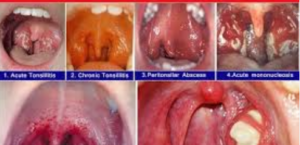
Both mono and tonsillitis can make swallowing feel like swallowing glass. But understanding what is causing your symptoms helps you get the right care, avoid complications, and set realistic expectations for recovery.
Mono: Infectious Mononucleosis Explained
Mono, short for infectious mononucleosis, is caused by the Epstein-Barr virus (EBV), a member of the herpesvirus family. It spreads through salivahence the nickname “the kissing disease”but also through shared drinks, utensils, or toothbrushes.
Mono is most common in teenagers and young adults. Symptoms often develop gradually and can include extreme fatigue, sore throat, swollen lymph nodes, and sometimes an enlarged spleen.
Tonsillitis: Inflammation of the Tonsils

Tonsillitis means your tonsils the two pads of tissue at the back of your throat are inflamed.
It can be caused by viruses (like the common cold) or bacteria (most often Group A Streptococcus, which causes strep throat). Bacterial tonsillitis often starts suddenly with severe throat pain, fever, and visible white or yellow patches on the tonsils.
Why Symptoms Overlap: The Sore Throat Connection
Your tonsils are part of your immune system, acting as a first line of defense against germs entering through your mouth.
Whether a virus like EBV or bacteria like strep triggers inflammation, your body responds with pain, swelling, and fever. That is why early symptoms can feel identical. The clues lie in the full picture: fatigue level, symptom duration, and unique signs.
Side-by-Side Comparison: Mono vs Tonsillitis
| Feature | Mono (Infectious Mononucleosis) | Tonsillitis |
|---|---|---|
| Primary Cause | Epstein-Barr virus (EBV) | Viral or bacterial (often Group A Strep) |
| First Symptoms | Extreme fatigue, sore throat, swollen glands | Sudden sore throat, pain swallowing, fever |
| Fatigue Level | Severe, prolonged; can last weeks | Mild to moderate; improves with treatment |
| Tonsil Appearance | Swollen, may have white coating | Red, swollen, often with white/yellow patches |
| Unique Signs | Swollen spleen, body aches, rash with certain antibiotics | Bad breath, ear pain, difficulty opening mouth |
| Testing | Mono spot test, EBV antibody panel | Rapid strep test, throat culture |
| Typical Recovery | 2–4 weeks for acute symptoms; fatigue may linger | 3–7 days with antibiotics for bacterial cases |
How to Tell Which One You Might Have
Clue 1: Track Your Fatigue and Energy Levels
- Mono clue: Overwhelming tiredness that makes normal activities feel impossible; fatigue that does not improve with rest
- Tonsillitis clue: Feeling tired from being sick, but energy returns as fever breaks and throat pain eases
Clue 2: Examine Your Tonsils and Throat
- Mono clue: Tonsils swollen with a grayish-white coating; tiny red spots on the roof of the mouth
- Tonsillitis clue: Bright red tonsils with distinct white or yellow pus pockets; bad breath; ear pain when swallowing
Clue 3: Consider Your Age and Exposure History
- Mono is most common in ages 15–24; if you are a teen or college student with prolonged fatigue, mono moves higher on the list
- Tonsillitis can affect any age; sudden severe throat pain after exposure to someone with strep suggests bacterial tonsillitis
- Recent sharing of drinks, utensils, or close contact with someone who was sick increases risk for both
Testing and Diagnosis: Getting the Right Answer
When to Test for Mono
Consider mono testing if:
- You have severe fatigue lasting more than a week plus sore throat and swollen glands
- You are a teenager or young adult with symptoms that are not improving
- Your doctor notices an enlarged spleen or liver during examination
When to Test for Bacterial Tonsillitis
Consider a strep test if:
- You have sudden severe sore throat with fever and no cough
- You see white or yellow patches on your tonsils
- Someone in your household or classroom was recently diagnosed with strep
Can You Have Both? Understanding Co-Infections
Yes. It is possible to have mono and bacterial tonsillitis at the same time. If symptoms are severe, persistent, or unclear, ask your healthcare provider about testing for both. Getting the right diagnosis ensures you receive appropriate treatment and take the right precautions to protect others.
Treatment: What Actually Helps You Feel Better
For Mono: Rest, Hydration, and Patience
- Rest is medicine: Your body needs energy to fight the virus; plan for extra sleep and reduced activity
- Hydrate frequently: Sip water, broth, or electrolyte drinks to soothe your throat and prevent dehydration
- Relieve symptoms: Use acetaminophen or ibuprofen for fever and pain; warm saltwater gargles; throat lozenges; cool liquids or ice pops
- Avoid certain antibiotics: Ampicillin or amoxicillin can cause a rash in people with mono; always tell your provider if mono is suspected
For Bacterial Tonsillitis: Antibiotics and Symptom Relief
- Antibiotics like penicillin or amoxicillin kill the bacteria, shorten illness, and prevent complications
- Start feeling better: Most people notice improvement within 24–48 hours of starting antibiotics
- Finish the full course: Even if you feel better, complete all doses to prevent recurrence or resistance
- Comfort measures: Same as mono—pain relievers, gargles, rest, and hydration
What to Avoid: Common Mistakes That Delay Recovery
- Pushing through fatigue with mono: Overexertion can prolong recovery or, rarely, risk spleen injury
- Skipping antibiotics for confirmed bacterial tonsillitis: This increases risk of complications like abscess or rheumatic fever
- Sharing drinks or utensils while sick: Both mono and strep spread through saliva; protect others by using separate items
Recovery and Return to Activities
Why Rest Matters More with Mono
Mono is not just a bad sore throat. The Epstein-Barr virus affects your whole immune system. Pushing yourself too soon can lead to prolonged fatigue or, in rare cases, complications. Listen to your body: if an activity leaves you wiped out, scale back.
Spleen Safety: Avoiding Contact Sports
Up to half of people with mono develop an enlarged spleen. While rupture is rare, it is serious. Most doctors recommend avoiding contact sports, heavy lifting, or activities with fall risk for at least 3–4 weeks, or until an ultrasound confirms the spleen has returned to normal size.
When to Return to School, Work, or Sports
- Mono: Return when fever is gone and you have enough energy for light activities; full return to sports may take 3–4 weeks or longer
- Bacterial tonsillitis: Return after 24 hours of antibiotics and when fever-free without medication
- Always follow guidance from your healthcare provider and school or workplace policies
When to Seek Medical Care
Most mild cases improve with home care. Contact a healthcare provider if you experience:
Warning Signs for Mono Complications
- Severe abdominal pain on the left side (possible spleen concern)
- Difficulty breathing or swallowing due to extreme tonsil swelling
- Yellowing of skin or eyes (jaundice), dark urine, or severe headache
- Fever above 103°F or fever lasting more than 5 days
Warning Signs for Tonsillitis Complications
- Difficulty opening your mouth, speaking, or breathing
- Severe one-sided throat pain with neck swelling (possible abscess)
- Rash, joint pain, or dark urine after sore throat (possible rheumatic fever)
- Symptoms that worsen or do not improve after 3 days of antibiotics
Special Considerations for Teens and Young Adults
If you are a student, talk to your school about accommodations during recovery. Rest is not laziness—it is part of treatment. If fatigue persists beyond 4–6 weeks, follow up with your provider to rule out other causes.
Mono & Tonsillitis: Your Questions Answered
Evidence-based guidance to help you understand symptoms, testing, and safe recovery from common throat infections.
💚
Supporting Recovery from Mono
⚠️
When to Contact a Healthcare Provider
Seek medical attention if you experience:
- Difficulty breathing, swallowing, or opening your mouth
- Severe throat pain that doesn’t improve with rest/hydration
- High fever (above 103°F / 39.4°C) or fever lasting more than 5 days
- Signs of dehydration (dark urine, dizziness, dry mouth)
- Severe abdominal pain (possible spleen involvement)
- Fatigue or symptoms persisting beyond 6–8 weeks
⚠️ Medical Disclaimer: This content is for informational purposes only and is not a substitute for professional medical advice, diagnosis, or treatment. Mono and tonsillitis can have serious complications. Always consult a healthcare provider for personal health concerns, especially for severe symptoms or high-risk individuals. Follow guidance from the CDC, WHO, or your local public health authority.
The Bottom Line
Whether you are navigating mono vs tonsillitis, the most important steps are the same: recognize symptoms early, get tested when appropriate, follow treatment guidance, and give your body time to heal.
Mono requires patience and rest; bacterial tonsillitis often improves quickly with antibiotics.
If you are unsure which illness you have, or if symptoms are severe or persistent, contact a healthcare provider. With clear information and compassionate self-care, you can move through illness with confidence—and protect those around you too.
Sources:
Centers for Disease Control and Prevention — https://www.cdc.gov/epstein-barr Mayo Clinic — https://www.mayoclinic.org/diseases-conditions/mononucleosis Cleveland Clinic — https://my.clevelandclinic.org/health/diseases/tonsillitis