You have heard that chia seeds benefits for skin are remarkable, but you want evidence-based information, not just hype. As a tiny nutritional powerhouse, chia seeds offer compelling compounds for skin health but how do they actually work, and what can you realistically expect?
Whether you are dealing with dryness, acne, signs of aging, or simply want to enhance your skin’s natural radiance, understanding the science behind chia seeds helps you use them effectively.
Let me walk you through the research-backed benefits, practical usage tips, and realistic expectations so you can nourish your skin with confidence.
Chia Seeds Benefits for Skin: The Short Answer
Chia seeds offer several evidence-supported benefits for skin health due to their rich content of omega-3 fatty acids, antioxidants, fiber, and minerals. Regular consumption may improve skin hydration, reduce inflammation associated with acne or eczema, support barrier function, and provide antioxidant protection against environmental damage.
Topical applications show promise for moisture retention but have less research than dietary use. For best results, incorporate 1-2 tablespoons daily into a balanced diet alongside a comprehensive skincare routine.
Visible improvements typically take 4-8 weeks of consistent use, as skin cell turnover requires time.
Understanding Chia Seeds: Nutritional Profile for Skin Health
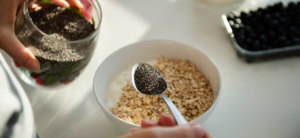
Chia seeds (Salvia hispanica) are tiny but nutritionally dense. Understanding their key components explains their skin benefits.
Omega-3 Fatty Acids: Anti-Inflammatory Powerhouses
One ounce (28g) of chia seeds provides approximately 5 grams of alpha-linolenic acid (ALA), a plant-based omega-3 fatty acid. Omega-3s are crucial for skin health because they:
- Reduce inflammation: Help calm conditions like acne, rosacea, and eczema linked to inflammatory processes
- Support skin barrier function: Contribute to the lipid matrix that keeps moisture in and irritants out
- May protect against UV damage: Some research suggests omega-3s enhance skin’s resilience to sun exposure (though never replace sunscreen!)
Antioxidants: Fighting Free Radical Damage
Chia seeds contain potent antioxidants, including chlorogenic acid, caffeic acid, and quercetin. These compounds:
| Antioxidant | Skin Benefit | Research Support |
|---|---|---|
| Chlorogenic acid | Reduces oxidative stress; may inhibit melanin production | In vitro and animal studies; human trials limited |
| Caffeic acid | Anti-inflammatory; protects against UV-induced damage | Laboratory studies show promise; human data emerging |
| Quercetin | Antihistamine effects; may reduce redness and irritation | Studied for allergic skin conditions; topical formulations show benefit |
Fiber and Protein: Supporting Overall Skin Health
With 11 grams of fiber and 4 grams of protein per ounce, chia seeds support skin indirectly:
- Fiber promotes gut health: A healthy gut microbiome is increasingly linked to clearer skin through the gut-skin axis; fiber feeds beneficial gut bacteria
- Protein provides amino acids: Essential for collagen and elastin production, the structural proteins that keep skin firm and supple
- Blood sugar regulation: Fiber and protein help stabilize blood sugar, potentially reducing acne triggers linked to insulin spikes
Minerals: Zinc, Selenium, and Magnesium for Skin Function
Chia seeds deliver skin-supportive minerals:
- Zinc: Supports wound healing, reduces inflammation, and may help regulate oil production in acne-prone skin
- Selenium: Works with vitamin E as an antioxidant; protects skin cells from oxidative damage
- Magnesium: Involved in over 300 enzymatic reactions, including those supporting skin repair and hydration
Evidence-Based Skin Benefits of Chia Seeds
Research supports several specific skin benefits from chia seed consumption.
Hydration and Moisture Retention
Chia seeds can absorb up to 12 times their weight in water, forming a gel-like substance. When consumed:
| Mechanism | Skin Impact | Evidence Level |
|---|---|---|
| Gel-forming fiber supports hydration | May improve skin moisture levels from within | Anecdotal and mechanistic; limited direct human trials |
| Omega-3s strengthen skin barrier | Reduces transepidermal water loss (TEWL) | Moderate; studies on omega-3s show barrier improvement |
Practical tip: Soak chia seeds in water for 15-30 minutes before consuming to maximize their hydrating gel formation.
Reducing Inflammation and Redness
Chronic inflammation underlies many skin concerns. Chia seeds’ anti-inflammatory compounds may help:
- Acne: Omega-3s may reduce the inflammatory response that leads to red, painful pimples
- Eczema and psoriasis: Anti-inflammatory effects may soothe flare-ups and reduce itching
- General redness: Antioxidants combat oxidative stress that triggers visible redness
A 2020 review in Nutrients noted that dietary omega-3 supplementation showed promise for inflammatory skin conditions, though more chia-specific research is needed.
Supporting Skin Barrier Function
A healthy skin barrier is essential for protection and hydration. Chia seeds support barrier integrity through:
- Essential fatty acids: Provide building blocks for ceramides and other barrier lipids
- Antioxidants: Protect barrier lipids from oxidative damage
- Zinc: Supports enzymes involved in barrier repair and maintenance
Stronger barrier function means better moisture retention, reduced sensitivity, and enhanced protection against environmental aggressors.
Potential Anti-Aging Effects
While no food can stop aging, chia seeds may help mitigate visible signs through:
| Aging Concern | How Chia Seeds May Help | Research Status |
|---|---|---|
| Fine lines and wrinkles | Antioxidants combat free radicals that break down collagen | Strong mechanistic basis; human trials on chia specifically limited |
| Loss of elasticity | Omega-3s support collagen synthesis and skin structure | Omega-3 research supports elasticity; chia-specific data emerging |
| Uneven tone/texture | Antioxidants may inhibit melanin overproduction; fiber supports detoxification | Preliminary; more human studies needed |
Acne and Blemish Management
Chia seeds may support clearer skin through multiple pathways:
- Anti-inflammatory effects: Reduce the redness and swelling of active breakouts
- Blood sugar regulation: Fiber and protein help prevent insulin spikes that can trigger acne
- Zinc content: May help regulate sebum production and support healing of blemishes
- Gut health support: Fiber promotes a healthy microbiome, increasingly linked to acne improvement
While promising, chia seeds are not a standalone acne treatment. They work best as part of a comprehensive approach including gentle skincare, stress management, and professional guidance for persistent acne.
How to Use Chia Seeds for Skin: Dietary vs. Topical
Both internal and external use offer benefits, but dietary incorporation has stronger research support.
Dietary Incorporation: Amounts, Timing, and Recipes
| Method | How to Use | Skin Benefit Focus |
|---|---|---|
| Daily consumption | 1-2 tablespoons (15-30g) daily; start with 1 tsp to assess tolerance | Overall skin health, hydration, inflammation reduction |
| Chia gel | Mix 1 tbsp chia with 3-4 tbsp water; let sit 15 min; add to smoothies, oatmeal, or drinks | Enhanced hydration, easy digestion |
| Ground chia | Grind seeds in coffee grinder for better nutrient absorption; add to baked goods or yogurt | Maximized nutrient bioavailability |
| Chia pudding | Mix 3 tbsp chia with 1 cup milk (dairy or plant-based); refrigerate 4+ hours; top with berries | Sustained nutrient release; antioxidant boost from berries |
Timing tip: Consistency matters more than timing. Take chia seeds daily with meals to support steady nutrient delivery to skin.
Topical Applications: DIY Masks, Scrubs, and Serums
While research is limited, topical chia may offer localized benefits:
- Hydrating mask: Mix 1 tbsp ground chia with 2 tbsp honey and 1 tbsp yogurt; apply for 10-15 minutes; rinse. Honey adds antimicrobial benefits; yogurt provides lactic acid for gentle exfoliation.
- Gentle exfoliant: Combine 1 tbsp whole chia seeds with 2 tbsp aloe vera gel; massage gently on damp skin; rinse. The seeds provide mild physical exfoliation; aloe soothes.
- Chia seed oil: Cold-pressed chia oil can be used as a facial oil (patch test first). Rich in omega-3s, it may support barrier repair—best for dry or mature skin.
Important: Always patch test topical applications on a small area first. Discontinue if irritation occurs. Topical use complements but does not replace dietary intake for systemic benefits.
Combining Approaches for Maximum Benefit
For comprehensive skin support:
- Consume daily: 1-2 tablespoons dietary chia for internal benefits
- Use topically 1-2x/week: As a mask or gentle exfoliant for localized hydration
- Pair with complementary ingredients: Berries (vitamin C), green tea (antioxidants), or avocado (healthy fats) enhance overall skin nutrition
- Maintain foundational skincare: Continue gentle cleansing, moisturizing, and daily sunscreen
Realistic Expectations: Timelines and Individual Variation
Manage expectations for optimal results:
| Skin Concern | Typical Timeline for Noticeable Change | Factors Influencing Results |
|---|---|---|
| Hydration/moisture | 2-4 weeks | Baseline hydration, climate, overall diet, skincare routine |
| Reduced redness/inflammation | 4-8 weeks | Severity of inflammation, concurrent treatments, stress levels |
| Acne improvement | 8-12 weeks | Acne type, hormonal factors, skincare regimen, diet overall |
| Anti-aging effects | 3-6 months | Age, sun exposure history, genetics, comprehensive anti-aging routine |
Key reminder: Skin cell turnover takes approximately 28 days. Consistent, long-term use yields the best results. Individual responses vary based on genetics, lifestyle, and overall health.
Quality Matters: Choosing and Storing Chia Seeds
Maximize benefits with quality products:
- Choose organic when possible: Reduces exposure to pesticides; chia is often grown with minimal chemicals but organic certification adds assurance
- Look for whole, intact seeds: Avoid pre-ground chia unless you will use it quickly; grinding exposes oils to oxidation
- Check for freshness: Seeds should smell neutral or slightly nutty; rancid odor indicates oxidation
- Store properly: Keep in an airtight container in a cool, dark place; refrigeration extends freshness to 1-2 years
- Consider chia oil separately: For topical use, choose cold-pressed, unrefined chia seed oil in dark glass bottles
Potential Side Effects and Precautions
Chia seeds are generally safe but consider these precautions:
| Consideration | Why It Matters | Practical Guidance |
|---|---|---|
| Digestive sensitivity | High fiber content may cause bloating or gas if introduced too quickly | Start with 1 tsp daily; gradually increase to 1-2 tbsp; drink plenty of water |
| Blood thinning effects | Omega-3s have mild anticoagulant properties | Consult your doctor if taking blood thinners (warfarin, aspirin) or before surgery |
| Allergic reactions | Rare but possible, especially in those allergic to mint family plants | Patch test topical applications; discontinue if rash, itching, or swelling occurs |
| Medication interactions | High fiber may affect absorption of some medications | Take chia seeds 2-3 hours apart from medications; consult pharmacist if concerned |
Chia Seeds as Part of a Holistic Skincare Approach
Chia seeds are powerful but work best within a comprehensive strategy:
-
- Foundational skincare: Gentle cleansing, daily broad-spectrum SPF 30+, and moisturizing remain essential
- Balanced diet: Pair chia seeds with colorful fruits/vegetables, lean proteins, and healthy fats for synergistic skin benefits
- Hydration: Drink adequate water throughout the day; chia seeds support but don’t replace hydration
- Sleep and stress management: Prioritize 7-9 hours of sleep and stress-reduction practices; cortisol impacts skin health
- Professional guidance: Consult a dermatologist for persistent skin concerns; chia seeds complement but don’t replace medical treatment
Frequently Asked Questions
▸
How do chia seeds benefit skin health?
Chia seeds benefit skin primarily through their high content of omega-3 fatty acids (which reduce inflammation and support barrier function), antioxidants (which combat free radical damage), fiber (which supports gut health linked to skin clarity), and minerals like zinc and selenium (which aid skin repair and protection). These compounds work together to improve hydration, reduce redness, and support overall skin resilience.
▸
Can chia seeds help with acne or aging skin?
Chia seeds may support acne management through anti-inflammatory omega-3s, blood sugar regulation from fiber, and zinc content. For aging skin, their antioxidants combat oxidative stress while omega-3s support collagen. However, they are complementary tools—not standalone treatments. Consistent dietary inclusion alongside a comprehensive skincare routine yields best results, with visible improvements typically taking 4-12 weeks.
▸
Should I eat or apply chia seeds for skin benefits?
Dietary consumption has stronger research support for systemic skin benefits like hydration, inflammation reduction, and barrier support. Topical applications (masks, oils) may offer localized hydration but have limited scientific validation. For best results, prioritize daily dietary intake (1-2 tablespoons) and use topical applications occasionally as a complementary treatment. Always patch test topical products first.
▸
How long does it take to see skin results from chia seeds?
Visible skin improvements typically require consistent use for 4-12 weeks, as skin cell turnover takes ~28 days. Hydration benefits may appear in 2-4 weeks; reduced inflammation in 4-8 weeks; acne or anti-aging effects often take 8-12 weeks. Individual results vary based on baseline skin health, overall diet, lifestyle factors, and consistency of use. Patience and consistency are key.
Final Thoughts: Nourishing Your Skin from Within and Without
Chia seeds benefits for skin are real and science-supported, but they are not a magic bullet. Their rich profile of omega-3s, antioxidants, fiber, and minerals offers meaningful support for hydration, inflammation reduction, barrier function, and overall skin resilience.
For best results, incorporate 1-2 tablespoons daily into a balanced diet, consider occasional topical applications, and maintain realistic expectations about timelines.
Remember that skin health reflects your whole-body wellness chia seeds are one valuable piece of a larger puzzle. By combining this nutritional powerhouse with foundational skincare, healthy lifestyle habits, and professional guidance when needed, you can nourish your skin to look and feel its best, naturally.
Sources:
● National Institutes of Health — Omega-3 Fatty Acids and Skin Health Research Review
● Journal of Cosmetic Dermatology — Antioxidants in Dermatology: Current Evidence and Applications
● American Academy of Dermatology — Diet and Skin Health: What the Science Says

Sarah is a lifestyle and celebrity health writer who explores the intersection of fame, wellness, and personal stories. She researches trending topics and public figures to deliver engaging, well-sourced content that answers the questions readers are actually searching for — from celebrity health routines to lifestyle insights.