You have encountered the term “kialodenzydaisis healing” online and are wondering: what is this, and is it legitimate?
This is a smart and important question. In an era of endless health content, distinguishing between evidence-based practices and unverified concepts is essential for your safety and well-being.
After thorough investigation of medical databases, linguistic resources, and scientific literature, there is no verified information about a healing practice, medical condition, or wellness method officially named “kialodenzydaisis.”
The term does not appear in peer-reviewed research, recognized medical terminology, or established holistic health frameworks. Let me walk you through what we know, how to evaluate unfamiliar health terms, and safe, evidence-based alternatives for your wellness journey.
Kialodenzydaisis Healing: The Short Answer
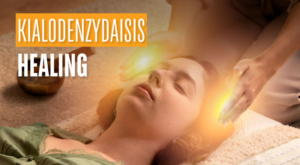
There is no verified evidence that “kialodenzydaisis healing” is a recognized medical term, evidence-based practice, or established wellness method.
The word does not appear in major medical databases (PubMed, MeSH), linguistic roots databases, or guidelines from health authorities like the WHO or CDC. It may be a fabricated term created for online content, a misspelling of another term, or a highly niche concept without scientific validation.
Do not use any health practice labeled “kialodenzydaisis healing” until its legitimacy is confirmed by a licensed healthcare provider. Your health deserves approaches grounded in evidence, transparency, and professional guidance.
Investigating the Term: What We Found (and Didn’t Find)

When a health term cannot be verified through trusted channels, systematic investigation is essential.
Searching Medical and Scientific Databases
Reputable health terms appear in authoritative resources:
| Database | What It Covers | Search Result for “Kialodenzydaisis” |
|---|---|---|
| PubMed (NIH) | Peer-reviewed biomedical literature | No results |
| MeSH (Medical Subject Headings) | Standardized medical terminology | No results |
| WHO International Classification of Diseases | Global disease and health condition codes | No results |
| Cochrane Library | Systematic reviews of health interventions | No results |
The absence of results across these authoritative sources strongly suggests the term is not recognized in evidence-based health practice.
Linguistic Analysis: Does the Word Have Recognizable Roots?
Legitimate medical and wellness terms often have traceable etymological roots:
- Greek/Latin roots: Terms like “cardiology” (heart + study) or “neuropathy” (nerve + suffering) follow recognizable patterns
- Cultural language roots: Terms from Ayurveda (Sanskrit), Traditional Chinese Medicine (Chinese), or Indigenous healing traditions have documented linguistic origins
- Modern coinages: New evidence-based terms are typically introduced through peer-reviewed publication with clear definitions
“Kialodenzydaisis” does not align with recognizable roots in Greek, Latin, Sanskrit, Chinese, or other languages commonly used in health terminology. This linguistic opacity is a red flag for term legitimacy.
Why Unfamiliar Terms Appear in Wellness Content
Several factors contribute to the appearance of unverified terms online:
- SEO-driven content: Unique terms may be created to rank for low-competition search queries
- Misspellings or autocorrect errors: Users may search for garbled versions of real terms
- Marketing fabrication: Some brands invent terms to create a sense of exclusivity or novelty
- AI-generated content: Automated tools may produce plausible-sounding but meaningless terms
What the Webpage Claims vs. What Evidence Shows
Understanding the gap between claims and evidence protects your health decisions.
Summary of Claims Made on healthbyamla.com
The webpage describes “kialodenzydaisis healing” as:
| Claimed Aspect | Description on Webpage | Evidence Status |
|---|---|---|
| Definition | “Holistic approach integrating mind, body, and spirit” | Generic description applicable to many wellness concepts; not specific to this term |
| Origins | “Mash-up of ancient healers and New Age believers”; influences from Chinese medicine, Ayurveda, Reiki | No verifiable historical or cultural documentation provided |
| Practices | Energy healing, meditation, breathing techniques, sound healing | These are real practices, but not uniquely tied to “kialodenzydaisis” |
| Scientific support | “No strong scientific evidence supporting it yet” | Accurate admission; confirms lack of evidence |
Absence of Peer-Reviewed Research or Clinical Data
Legitimate health practices are typically supported by:
- Peer-reviewed studies published in reputable journals
- Clinical trials demonstrating safety and efficacy
- Systematic reviews or meta-analyses synthesizing multiple studies
- Guidelines from professional medical or wellness organizations
No such evidence exists for “kialodenzydaisis healing” in any searchable scientific database.
Generic Wellness Language vs. Specific, Verifiable Practices
The webpage uses broad, appealing language common to many wellness concepts:
- “Energy balance and flow”
- “Mind-body connection”
- “Holistic wellness”
- “Spiritual alignment”
While these concepts can be meaningful to individuals, they are not unique to “kialodenzydaisis” and do not constitute evidence of a distinct, validated practice.
Specific, verifiable practices (e.g., “mindfulness-based stress reduction,” “acupuncture for chronic pain”) include clear protocols, training standards, and research backing.
How to Evaluate Any Unfamiliar Health Term
Use this framework to assess any health term you encounter online.
Step 1: Check Reputable Medical Sources
- Search PubMed (pubmed.ncbi.nlm.nih.gov) for peer-reviewed studies
- Check MeSH (meshb.nlm.nih.gov) for standardized medical terminology
- Review guidelines from WHO, CDC, or your country’s health authority
- Consult trusted health information sites like Mayo Clinic, Cleveland Clinic, or NIH
Step 2: Analyze the Language and Claims
| Green Flag | Red Flag |
|---|---|
| Clear definition with specific, measurable outcomes | Vague, abstract language without concrete details |
| Citations to peer-reviewed research or clinical guidelines | No citations or references to unverifiable sources |
| Transparent author credentials and conflicts of interest | Anonymous authors or undisclosed financial incentives |
| Balanced discussion of benefits and limitations | Absolute claims like “cures all” or “works for everyone” |
Step 3: Consult Licensed Healthcare Professionals
Before trying any unfamiliar practice:
- Talk to your doctor: They can help verify legitimacy and check for interactions with your health conditions or medications
- Consult a licensed practitioner: If exploring complementary therapies, work with credentialed professionals (e.g., licensed acupuncturist, registered dietitian)
- Ask critical questions: “What evidence supports this?” “What are the risks?” “How does this integrate with my current care?”
Step 4: Look for Transparency and Accountability
Legitimate health content provides:
- Clear author bios with relevant credentials
- Publication or last-reviewed dates
- References to credible sources (not just other blogs)
- Contact information or editorial policies
- Disclosures about advertising, sponsorships, or affiliate links
Red Flags in Wellness Content to Watch For
Be alert to these warning signs that content may be misleading.
Vague, Unverifiable Terminology
Terms that sound scientific but lack definition or verification:
- Words with no dictionary or etymological basis
- Claims of “ancient secrets” without historical documentation
- Overuse of buzzwords like “quantum,” “vibrational,” or “frequency” without scientific context
Lack of Author Credentials or Source Citations
Content should disclose who created it and what informs it:
| Concern | Why It Matters |
|---|---|
| No author name or credentials listed | Impossible to assess expertise or potential bias |
| Sources are other blogs or self-published content | Creates an echo chamber without external verification |
| Claims of “suppressed knowledge” or “big pharma conspiracy” | Undermines trust in evidence-based medicine without proof |
Overreliance on “Energy,” “Balance,” or “Spiritual” Without Definition
These concepts can be meaningful personally, but credible content:
- Defines terms clearly (e.g., “energy” as metabolic processes vs. metaphysical concepts)
- Distinguishes personal belief from scientific evidence
- Acknowledges when practices are complementary, not curative
Pressure to Purchase or Commit Without Evidence
Be wary of content that:
- Pushes expensive courses, supplements, or sessions before providing free, verifiable information
- Uses urgency tactics (“limited spots,” “act now”) to bypass critical thinking
- Requests payment via non-reversible methods (gift cards, cryptocurrency)
Safe, Evidence-Based Alternatives for Holistic Wellness
If you are interested in holistic, mind-body approaches, these evidence-supported options offer benefits with known safety profiles.
Mindfulness and Meditation (Research-Backed Benefits)
| Practice | Evidence Summary | How to Start Safely |
|---|---|---|
| Mindfulness-Based Stress Reduction (MBSR) | 8-week program with strong evidence for reducing stress, anxiety, and chronic pain | Find certified instructors via umassmed.edu/mbsr or use free apps like Insight Timer |
| Loving-Kindness Meditation | Research supports benefits for empathy, social connection, and emotional regulation | Start with guided sessions from reputable sources (e.g., UCLA Mindful Awareness Research Center) |
Breathwork and Stress-Reduction Techniques
Evidence-supported breathing practices:
- Diaphragmatic breathing: Shown to reduce cortisol, lower blood pressure, and improve relaxation
- Box breathing (4-4-4-4): Used by military and medical professionals for stress management
- Coherent breathing: 5-6 breaths per minute shown to improve heart rate variability and calm the nervous system
Integrative Medicine: Combining Conventional and Complementary Care
Reputable integrative medicine centers (e.g., Mayo Clinic, Cleveland Clinic, Duke Integrative Medicine) offer:
- Acupuncture for pain, nausea, and stress (supported by NIH/NCCIH research)
- Yoga therapy for chronic conditions, with protocols adapted to individual needs
- Nutritional counseling based on evidence-based dietary patterns
- Mind-body programs with trained, licensed facilitators
Working with Licensed Practitioners in Body-Based Therapies
If exploring hands-on therapies:
- Verify licensure through your state or national licensing board
- Ask about training, certification, and experience with your specific concern
- Ensure the practitioner communicates with your primary care provider when appropriate
- Start with a consultation to discuss goals, methods, and safety
If You’re Seeking Holistic Healing: Practical Next Steps
Channel your wellness curiosity into safe, productive action:
-
- Clarify your goals: Are you seeking stress relief, pain management, emotional support, or spiritual growth? Specific goals guide safer choices.
- Start with evidence-based foundations: Prioritize sleep, nutrition, movement, and social connection—the pillars of wellness with the strongest research support.
- Explore complementary practices gradually: Add one new practice at a time, monitor effects, and adjust based on your experience and professional guidance.
- Build a care team: Partner with licensed providers who respect your holistic interests while prioritizing safety and evidence.
- Document your journey: Keep a wellness journal to track what helps, what doesn’t, and questions for your healthcare team.
Frequently Asked Questions
▸
What does kialodenzydaisis healing mean?
“Kialodenzydaisis healing” is not a recognized term in medical, scientific, or established wellness literature. It appears to be an unverified phrase used in online content. The webpage you referenced describes it in generic holistic terms (energy balance, mind-body connection), but these concepts are not unique to this term and lack specific, verifiable definition or evidence.
▸
Is kialodenzydaisis healing real or made up?
There is no evidence that “kialodenzydaisis healing” is a real, established health practice. The term does not appear in medical databases, linguistic resources, or peer-reviewed research. It may be a fabricated term for online content, a misspelling, or a highly niche concept without scientific validation. Always verify unfamiliar health terms with licensed professionals before engaging.
▸
Where did the term kialodenzydaisis come from?
The origin of “kialodenzydaisis” cannot be verified through linguistic, historical, or medical sources. It does not have recognizable roots in Greek, Latin, Sanskrit, Chinese, or other languages commonly used in health terminology. The webpage suggests influences from various traditions but provides no verifiable documentation. When a term’s origin cannot be traced, caution is warranted.
▸
Should I try kialodenzydaisis healing?
Do not try any health practice labeled “kialodenzydaisis healing” until its legitimacy, safety, and methods are verified by a licensed healthcare provider. Unverified practices may carry unknown risks, interact with medications, or delay evidence-based care. If you are interested in holistic wellness, explore evidence-supported options like mindfulness, breathwork, or integrative medicine with qualified professionals.
Final Thoughts: Critical Thinking as Your Best Wellness Tool
The question “kialodenzydaisis healing” reflects a healthy instinct: to understand before you adopt. In a digital landscape filled with wellness content, your most powerful tools are curiosity, critical thinking, and partnership with qualified professionals.
Whether you are drawn to holistic approaches, spiritual practices, or integrative care, grounding your choices in evidence, transparency, and professional guidance protects your well-being while honoring your quest for wholeness.
Trust your instincts: if a term, claim, or practice feels unclear or too good to be true, pause, investigate, and consult a trusted healthcare provider. Your health journey is uniquely yours—navigate it with wisdom, compassion, and evidence as your compass.
Sources:
● National Institutes of Health — How to Evaluate Health Information Online
● U.S. Food and Drug Administration — Beware of Fraudulent Health Products
● World Health Organization — Guidelines on Traditional and Complementary Medicine

Sarah is a lifestyle and celebrity health writer who explores the intersection of fame, wellness, and personal stories. She researches trending topics and public figures to deliver engaging, well-sourced content that answers the questions readers are actually searching for — from celebrity health routines to lifestyle insights.