Your shoulders feel tight after a long day at the desk. Your calves cramp in the middle of the night. Or maybe you just woke up with a stiff neck that makes every movement uncomfortable.
Muscle tension is a universal experience, and while prescription medications have their place, many people prefer gentler options.
If you are searching for a natural muscle relaxer, you want something that works without unwanted side effects or dependency concerns.
The good news is that science supports several safe, effective options you can try at home. Let me walk you through the most reliable natural remedies, practical ways to use them, and smart habits that help your muscles stay relaxed long-term.
Natural Muscle Relaxer: The Short Answer

Several natural muscle relaxer options have scientific backing for reducing muscle tension and spasms.
Magnesium supplementation, tart cherry juice, CBD, and certain herbs like valerian or chamomile can help relax muscles when used consistently.
Combining these with lifestyle strategies like heat therapy, gentle stretching, and proper hydration often delivers the best results. However, persistent or severe muscle pain warrants medical evaluation to rule out underlying conditions.
Why Muscles Tighten: Understanding the Root Causes
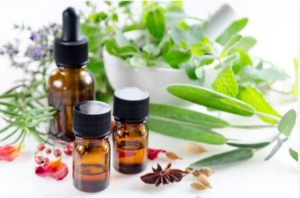
Before choosing a remedy, it helps to understand why muscles tighten in the first place. Addressing the root cause makes any relaxer more effective.
Stress, Overuse, and Poor Posture
Mental stress triggers physical tension. When you are anxious, your body unconsciously tightens muscles, especially in the neck, shoulders, and jaw.
Similarly, repetitive movements, heavy lifting, or sitting in one position too long can cause muscles to fatigue and spasm. Poor posture compounds these issues by placing uneven strain on muscle groups.
Dehydration and Electrolyte Imbalances
Muscles need adequate fluids and minerals to function smoothly. Electrolyte balance proper levels of potassium, calcium, and sodium is critical for normal muscle contraction and relaxation cycles.
Even mild dehydration can trigger cramps, especially during exercise or in hot weather.
Sleep Quality and Recovery
During deep sleep, your body repairs muscle tissue and resets tension patterns. Poor sleep quality or insufficient rest leaves muscles in a semi-contracted state, making them more prone to tightness and spasms.
Prioritizing rest is itself a powerful natural muscle relaxer.
Top Natural Muscle Relaxers Backed by Science
These options have research supporting their use for muscle relaxation. Always consult your healthcare provider before starting new supplements, especially if you take medications.
Magnesium: The Essential Mineral for Muscle Function
Magnesium is involved in over 300 enzymatic reactions in the body, including muscle contraction and relaxation. Deficiency is linked to muscle cramps and spasms in up to 20% of adults.
Forms like magnesium glycinate or citrate are well-absorbed and gentle on the stomach.
- Typical dose: 200 to 400 mg daily, taken with food
- Best for: Nighttime leg cramps, general muscle tension, stress-related tightness
- Onset: Effects may build over several days to weeks of consistent use
- Safety note: High doses can cause digestive upset; start low and increase gradually
Tart Cherry Juice and Anti-Inflammatory Benefits
Tart cherries contain anthocyanins, powerful antioxidants with anti-inflammatory properties. Studies show tart cherry juice can reduce muscle soreness by up to 22% after intense exercise.
It may also support better sleep, which further aids muscle recovery.
- Typical dose: 8 to 12 ounces of unsweetened tart cherry juice daily, or standardized extract
- Best for: Post-workout soreness, exercise-induced muscle tension
- Onset: Some benefits within hours; cumulative effects with regular use
- Safety note: Contains natural sugars; monitor if managing blood glucose
CBD and Hemp-Derived Options
CBD (cannabidiol) is a non-intoxicating compound from hemp that may interact with the body’s endocannabinoid system to reduce muscle tension and pain perception.
Research is emerging, but many users report relief from spasms and tightness.
| CBD Form | How to Use | Best For |
|---|---|---|
| Oil or tincture | Place under tongue; effects in 15 to 45 minutes | Full-body relaxation, quick relief |
| Topical cream | Apply directly to tight muscles; localized effect | Targeted areas like neck, shoulders, calves |
| Capsules | Swallow with water; slower, longer-lasting effect | Sustained relief, nighttime use |
Herbal Remedies: Valerian, Chamomile, and Turmeric
Traditional herbs offer gentle support for muscle relaxation:
- Valerian root: May reduce muscle spasms and support restful sleep; typically taken as tea or capsule before bed
- Chamomile: Contains compounds that may ease muscle tension and promote calm; enjoy as tea or extract
- Turmeric/curcumin: Powerful anti-inflammatory that may reduce muscle soreness; pair with black pepper for better absorption
Essential Oils for Topical Relief
Aromatherapy and topical application can provide quick, localized relief:
- Peppermint oil: Contains menthol that creates a cooling sensation and may reduce muscle pain
- Lavender oil: Promotes relaxation and may ease tension when massaged into tight areas
- Eucalyptus oil: Has anti-inflammatory properties and a warming effect that soothes sore muscles
Always dilute essential oils in a carrier oil (like coconut or jojoba) before applying to skin. Perform a patch test first to check for sensitivity.
Foods and Drinks That Support Muscle Relaxation
What you eat influences how your muscles feel. These foods provide nutrients that support relaxation:
| Food | Key Nutrient | Muscle Benefit |
|---|---|---|
| Leafy greens (spinach, kale) | Magnesium, potassium | Supports electrolyte balance and muscle function |
| Bananas, avocados | Potassium | Helps prevent cramps and supports nerve-muscle communication |
| Fatty fish (salmon, mackerel) | Omega-3 fatty acids | Reduces inflammation that contributes to muscle soreness |
| Nuts and seeds | Magnesium, healthy fats | Supports muscle relaxation and recovery |
| Ginger, turmeric | Anti-inflammatory compounds | May reduce muscle pain and stiffness |
Lifestyle Strategies: Heat, Stretching, and Movement
Natural relaxers work best when paired with supportive habits. These strategies enhance relief and prevent future tension:
- Apply heat: Heat therapy increases blood flow to muscles, reducing stiffness and promoting relaxation within 15 to 20 minutes. Use a warm compress, heating pad, or Epsom salt bath.
- Gentle stretching: Slow, controlled stretches lengthen tight muscles and improve flexibility. Hold each stretch for 20 to 30 seconds without bouncing.
- Stay hydrated: Drink water consistently throughout the day. Add a pinch of sea salt or electrolyte powder if you sweat heavily.
- Prioritize sleep: Aim for 7 to 9 hours of quality sleep to allow muscles to repair and reset.
- Manage stress: Practice deep breathing, meditation, or gentle yoga to reduce the mental tension that manifests as physical tightness.
How to Use Natural Muscle Relaxers Safely
Even natural options require thoughtful use. Follow these guidelines:
- Start with one remedy at a time to assess effectiveness and tolerance
- Follow recommended dosages on supplement labels or as advised by your provider
- Check for interactions if you take medications, especially blood thinners, sedatives, or muscle relaxants
- Pregnant or breastfeeding individuals should consult a healthcare provider before using herbs or supplements
- Discontinue use and seek medical advice if you experience unexpected side effects
Tracking Your Results to Find What Works Best
Everyone responds differently to natural remedies. Keeping a simple log helps you identify what works for your body:
- Note which remedy you tried, the dose, and time of day
- Record changes in muscle tension, pain level, or sleep quality
- Track any side effects, even mild ones
- Give each option at least 3 to 7 days of consistent use before judging effectiveness
- Share your log with your healthcare provider to guide personalized recommendations
When to See a Doctor: Red Flags for Muscle Pain
While most muscle tension responds to natural care, certain symptoms warrant professional evaluation:
- Severe pain that does not improve with rest or home care
- Muscle weakness, numbness, or tingling that spreads
- Swelling, redness, or warmth in the affected area
- Pain following an injury, fall, or accident
- Unexplained muscle spasms that occur frequently or disrupt daily life
These signs may indicate nerve compression, electrolyte disorders, autoimmune conditions, or other issues requiring diagnosis and treatment.
Frequently Asked Questions
▸
What is the strongest natural muscle relaxer?
Magnesium is often considered one of the most effective natural muscle relaxers due to its direct role in muscle contraction and relaxation. Tart cherry juice and CBD also show strong evidence for reducing muscle tension. The “strongest” option depends on your specific needs, body chemistry, and the cause of your muscle tightness.
▸
How quickly do natural muscle relaxers work?
Topical options like essential oils or CBD cream may provide relief within 15 to 30 minutes. Oral supplements like magnesium or tart cherry juice often require consistent use over several days to weeks for noticeable effects. Heat therapy and stretching can offer immediate, though temporary, relief.
▸
Can I take natural muscle relaxers with other medications?
Some natural relaxers can interact with medications. Magnesium may affect absorption of certain antibiotics. CBD can interact with blood thinners and sedatives. Always consult your healthcare provider or pharmacist before combining supplements with prescription drugs to ensure safety.
▸
What foods help relax tight muscles?
Foods rich in magnesium (leafy greens, nuts, seeds), potassium (bananas, avocados), and anti-inflammatory compounds (fatty fish, turmeric, ginger) support muscle relaxation. Staying well-hydrated with water or electrolyte-balanced drinks also helps prevent cramps and tension.
Final Thoughts: Gentle Relief for a Tense World
Finding a natural muscle relaxer that works for you is a journey of gentle experimentation. Start with foundational habits: hydration, movement, sleep, and stress management.
Then explore evidence-based options like magnesium, tart cherry, or CBD, one at a time. Listen to your body, track your responses, and partner with your healthcare team for personalized guidance.
Your muscles carry you through life. Treating them with consistent, compassionate care is one of the simplest ways to support your overall well-being.
Sources:
● National Institutes of Health — Magnesium and Muscle Function Research Overview
● Journal of the International Society of Sports Nutrition — Tart Cherry Juice and Exercise Recovery Studies
● American Herbalists Guild — Safety Guidelines for Herbal Muscle Relaxants

- Clinical pharmacy & medication safety
- Pharmacovigilance & adverse drug reaction monitoring
- Clinical trial design, disclosure, and ethical research practices
- Evidence-based content on skincare, wellness, chronic disease management, and preventive care
Disclaimer: Content authored by Tatheer is for educational purposes only and does not replace professional medical advice, diagnosis, or treatment. Always consult a qualified healthcare provider for personal health concerns.